


The CUPRA Born was never just another electric hatchback. From the start, it had attitude — a driver-focused chassis, bold design, and that unmistakable CUPRA edge. But even the best cars need to evolve, especially in the fast-moving world of EVs.
So when CUPRA announced a mid-life refresh, we were excited to see what they would do.
What we’ve seen so far isn’t a ground-up rethink. It’s something more meaningful: a focused update that sharpens the Born’s strengths, refines its weaknesses, and pushes the experience further — inside, out, and on the road.
With production starting this spring and first deliveries expected by summer 2026, the updated Born arrives with a new look, a more premium cabin, and smarter tech.
Exterior: Bolder, Cleaner, More CUPRA
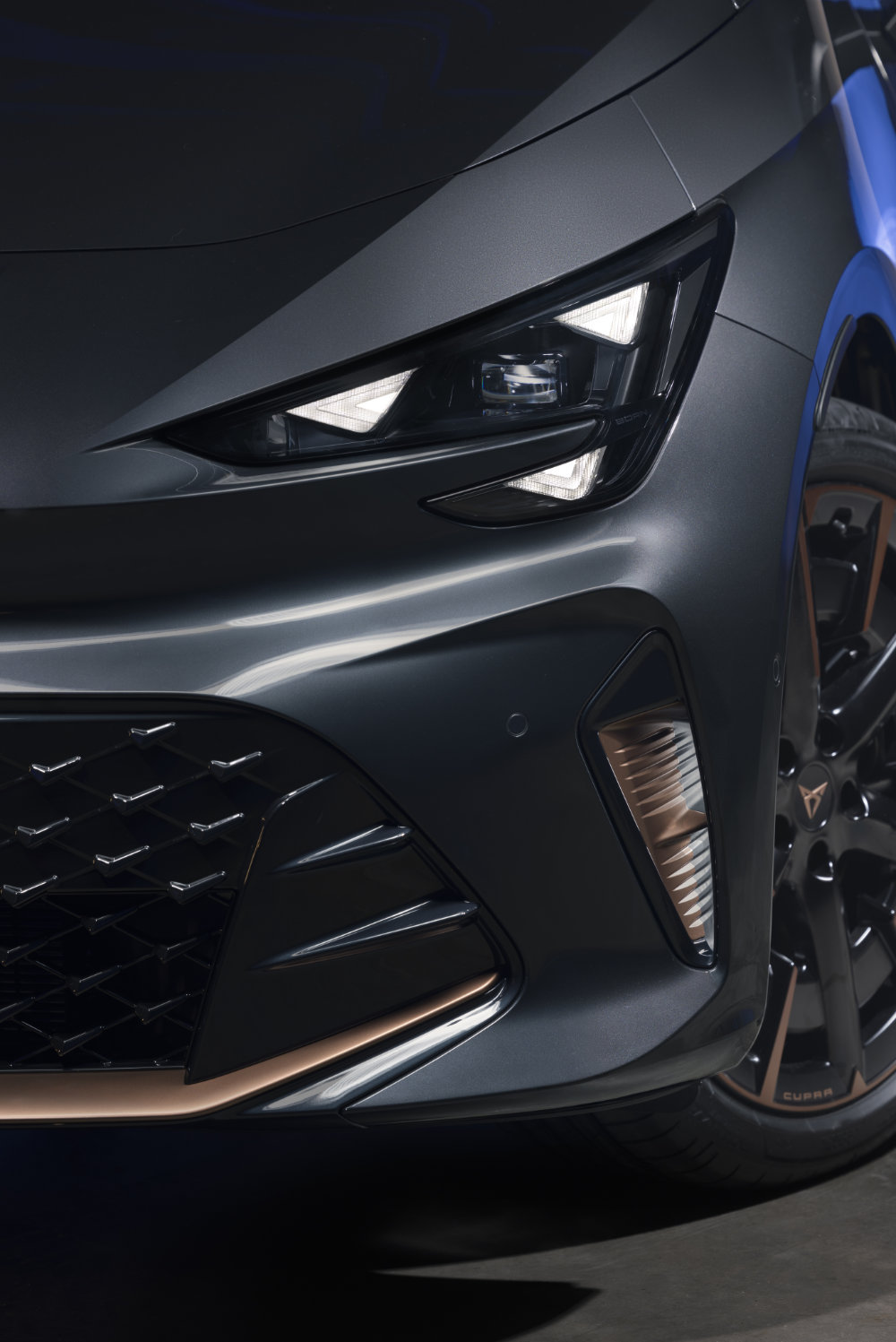
The changes up front are immediate. The shark-nose grille is more defined, the bonnet line tighter. New triangular Matrix LED headlights give it a more aggressive stare, and on the VZ, they’re adaptive, shaping the beam around other vehicles without dazzling them.
There’s a new parametric grille design, finished in gloss black with a copper blade, a subtle nod to CUPRA’s performance roots. It’s not flashy, but it’s effective.
One small touch we like? Illuminated door handles, front and rear. They light up as you approach, and while it’s not groundbreaking tech, it adds a bit of theatre, the kind of thing you notice when you’re walking to your car at night.
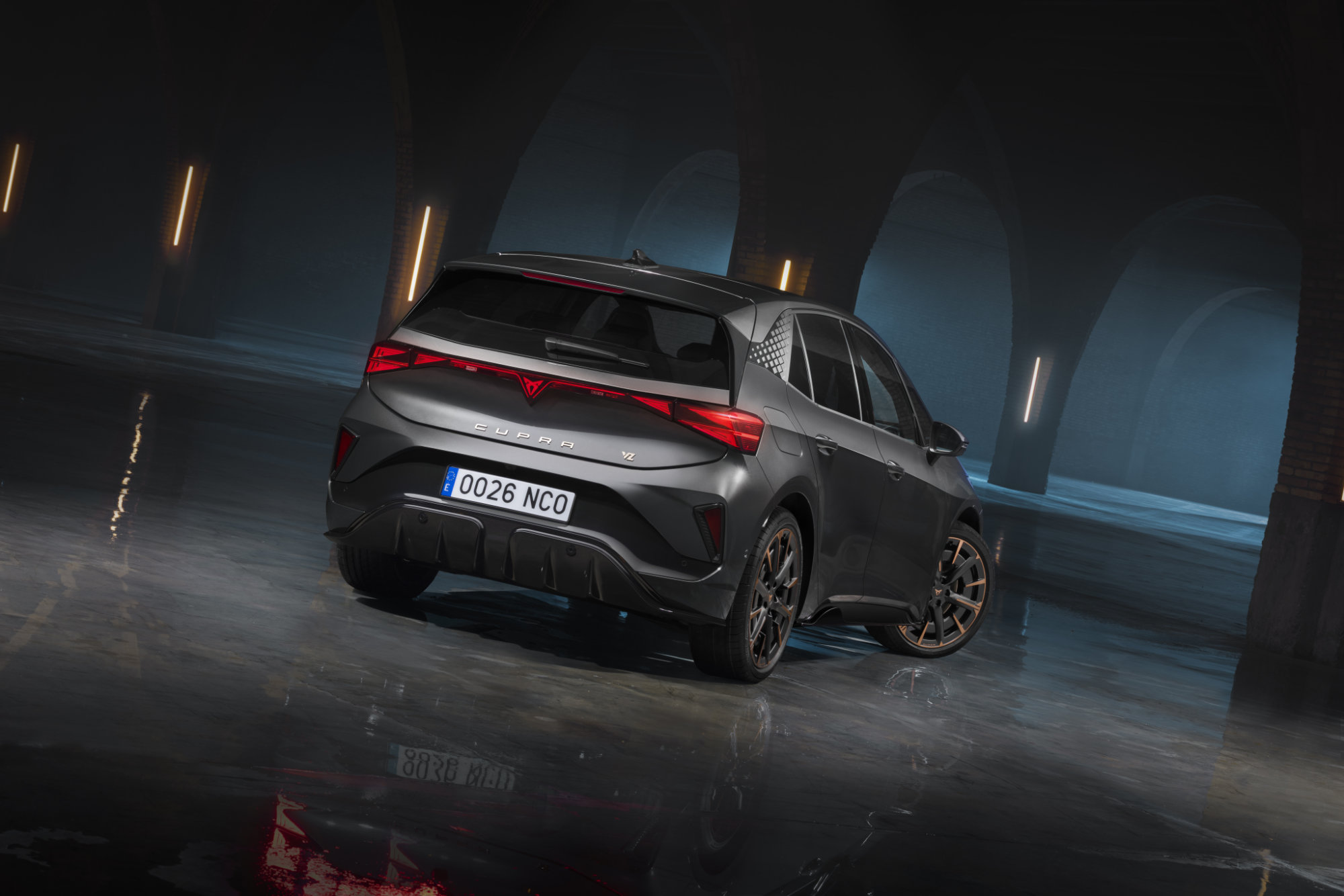
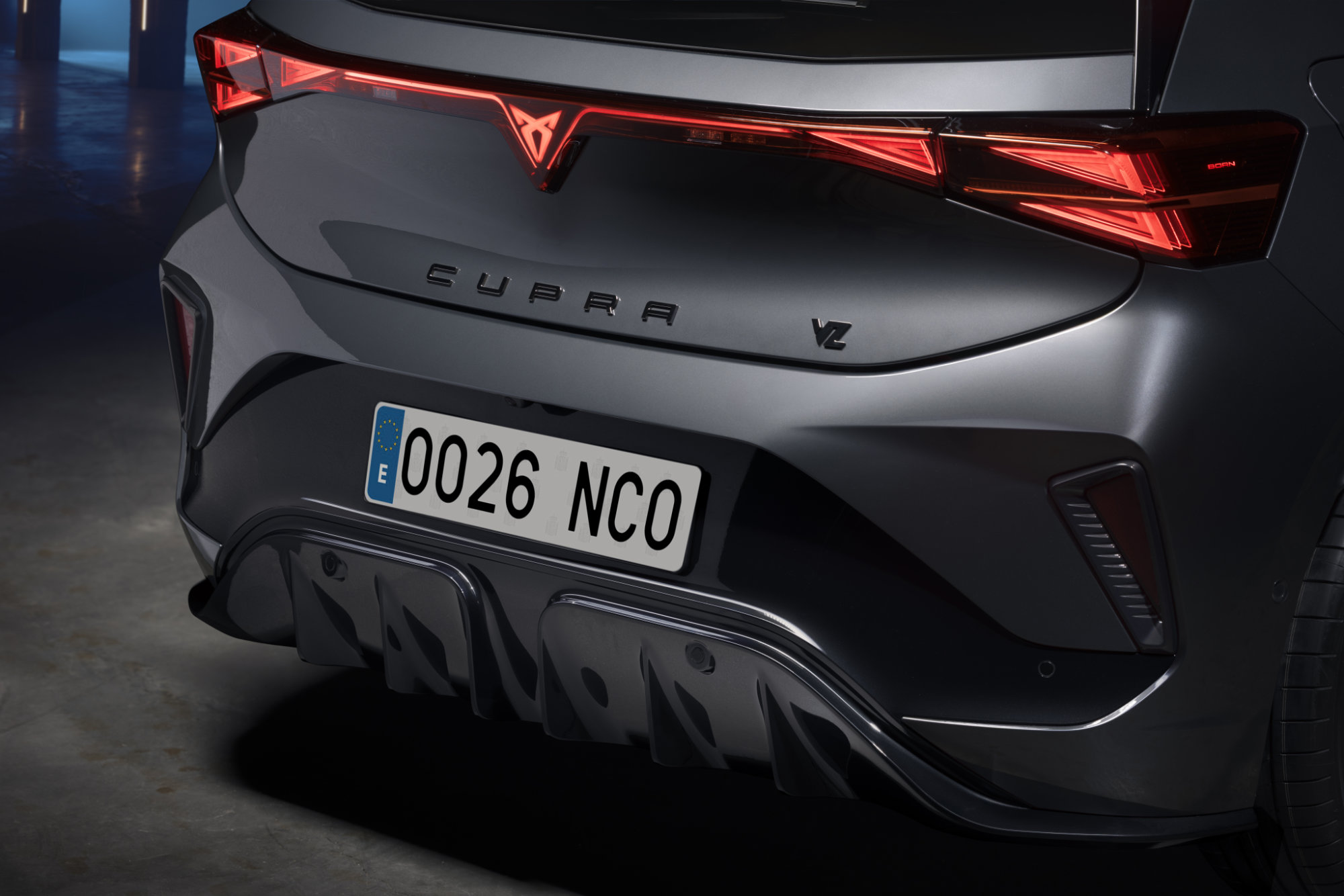
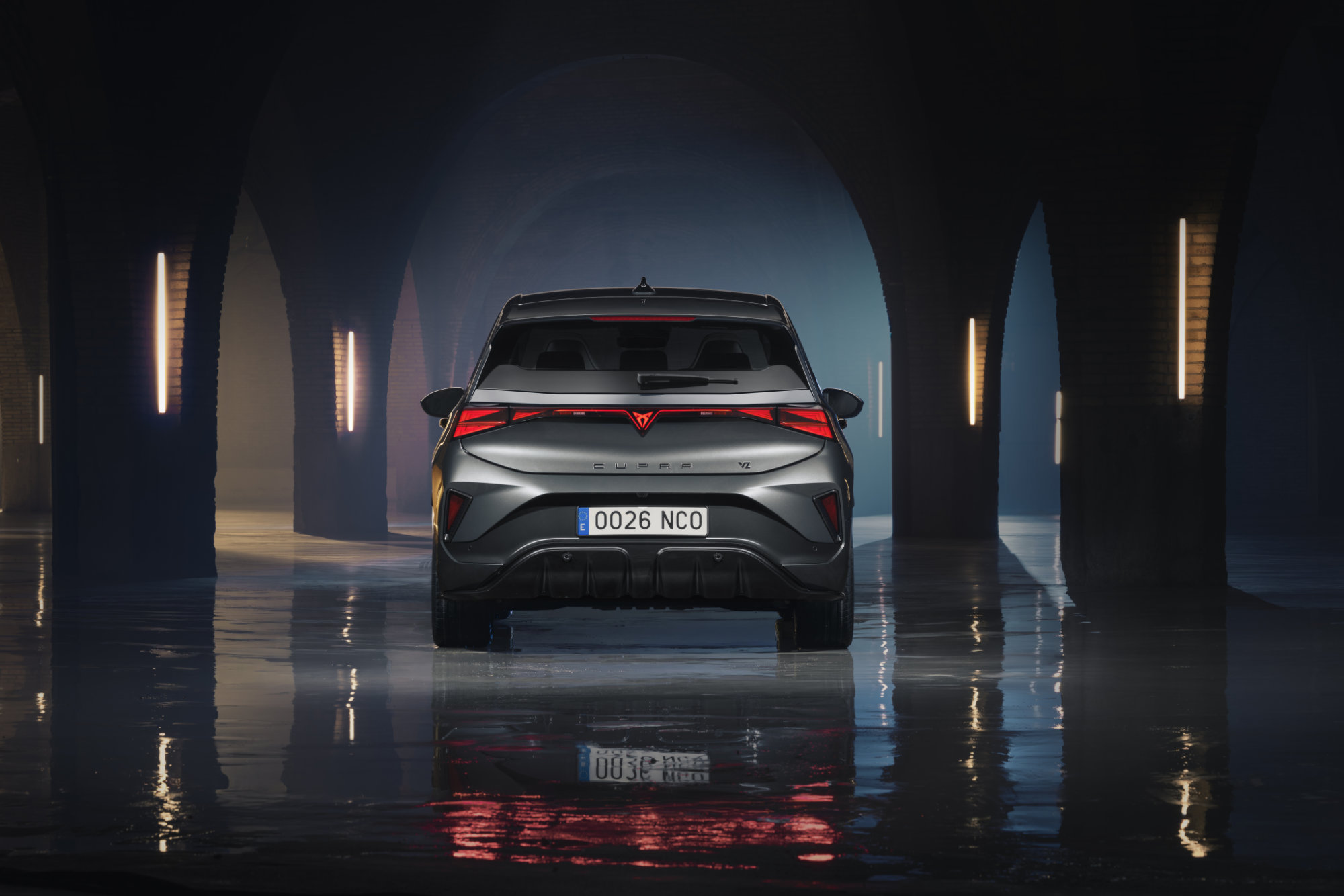
Around the back, the taillights have the signature three-triangle layout, now with a 3D effect and an illuminated CUPRA badge at the centre. It’s cleaner, more upmarket. And the new diffuser at the bottom gives it a wider, more planted stance.
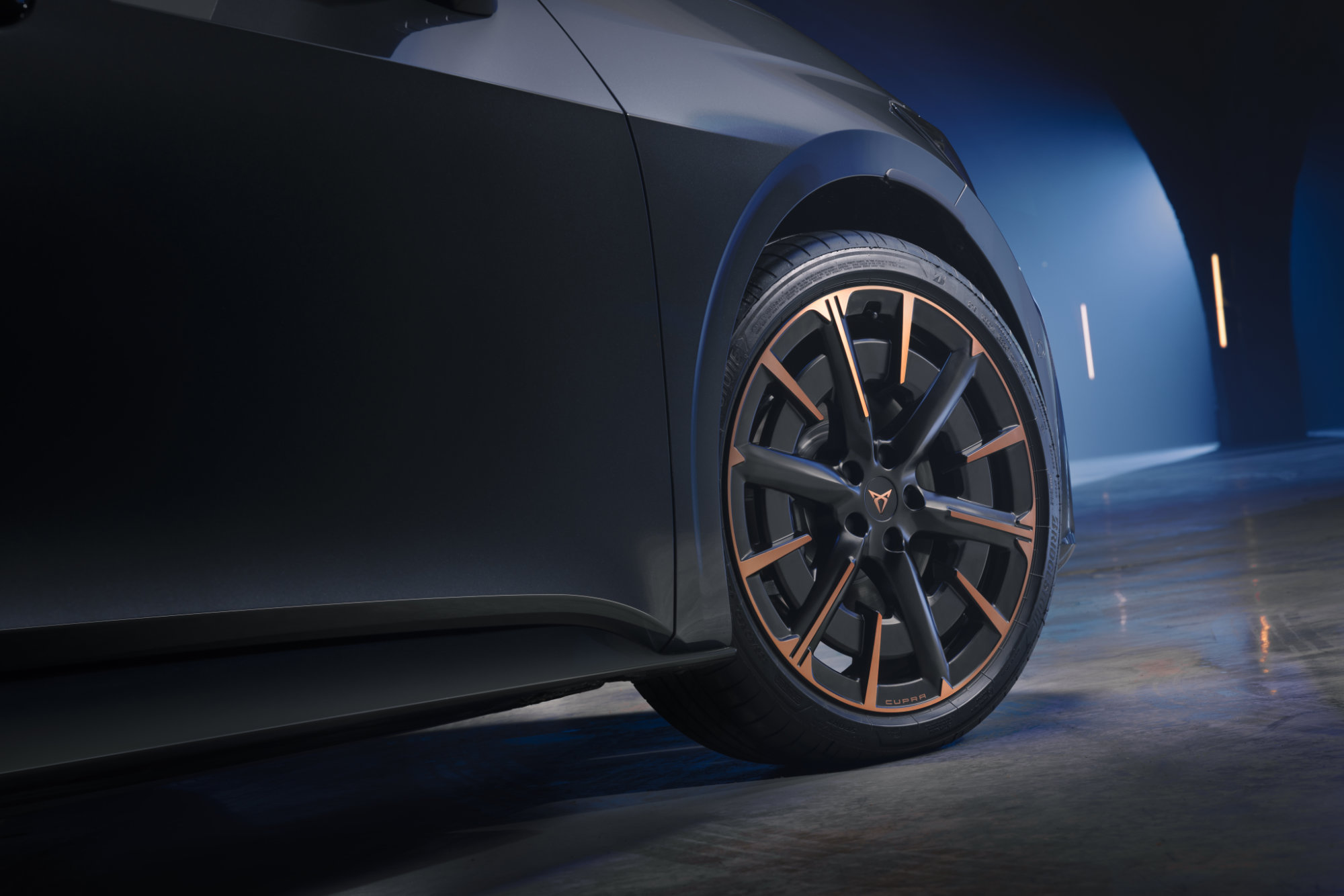
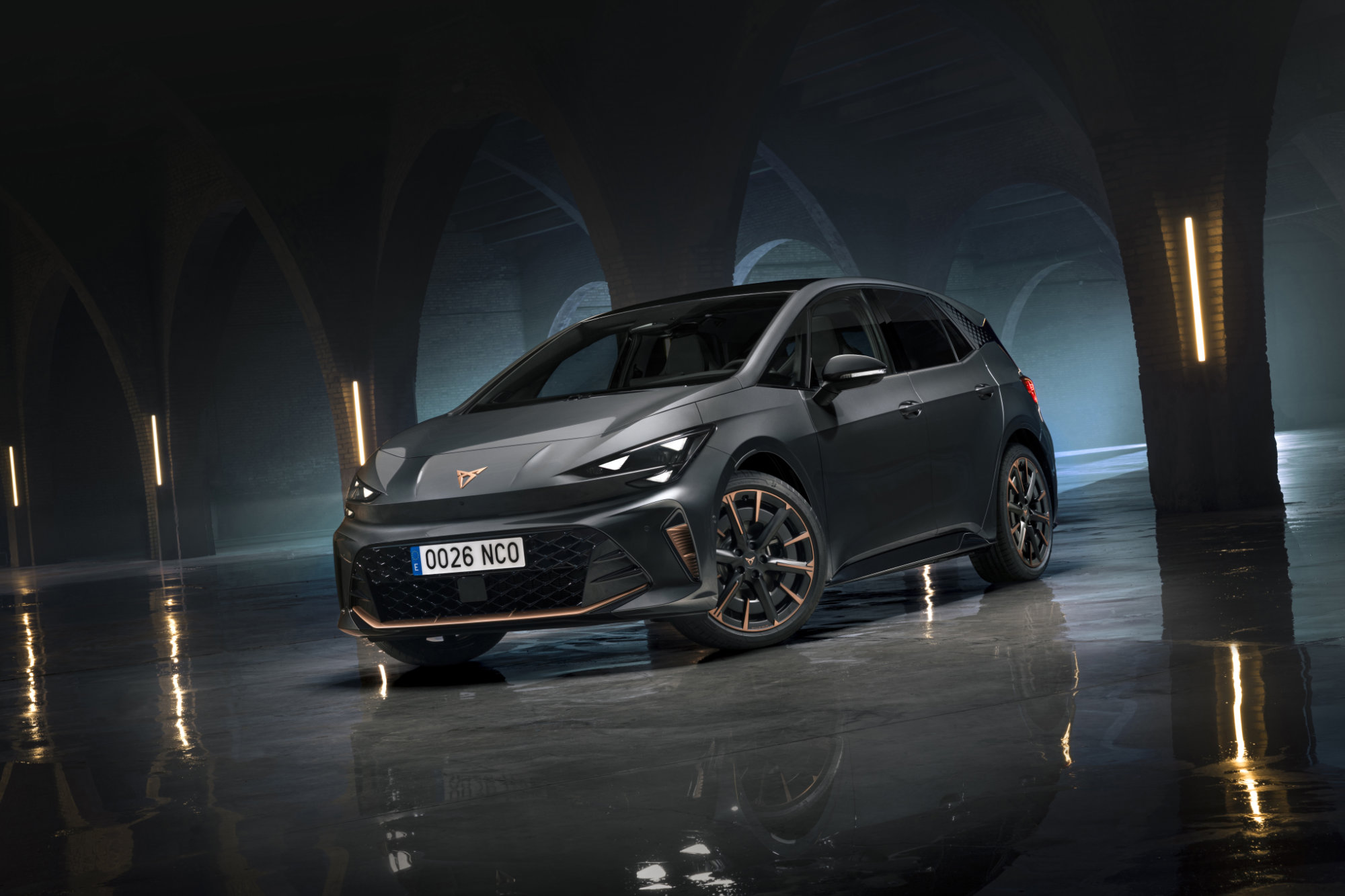
New 19” and 20” alloy designs are available, including a copper-finish Firestorm wheel on the VZ. But more importantly, 235mm-wide tyres are now offered on both sizes, not just for show, but for better grip and steering feel.
And there’s a new colour: Timanfaya Grey. It’s deeper than the existing greys, with a slight warmth in sunlight. Not a game-changer, but it suits the Born’s character better than anything else in the range.
Interior
The biggest change? The 12.9-inch central touchscreen runs on an Android-based system. It should mean faster response times, better app integration, and no more hunting through submenus for basic functions. It’s framed by an illuminated slider, which adds depth and a bit of drama when it lights up.
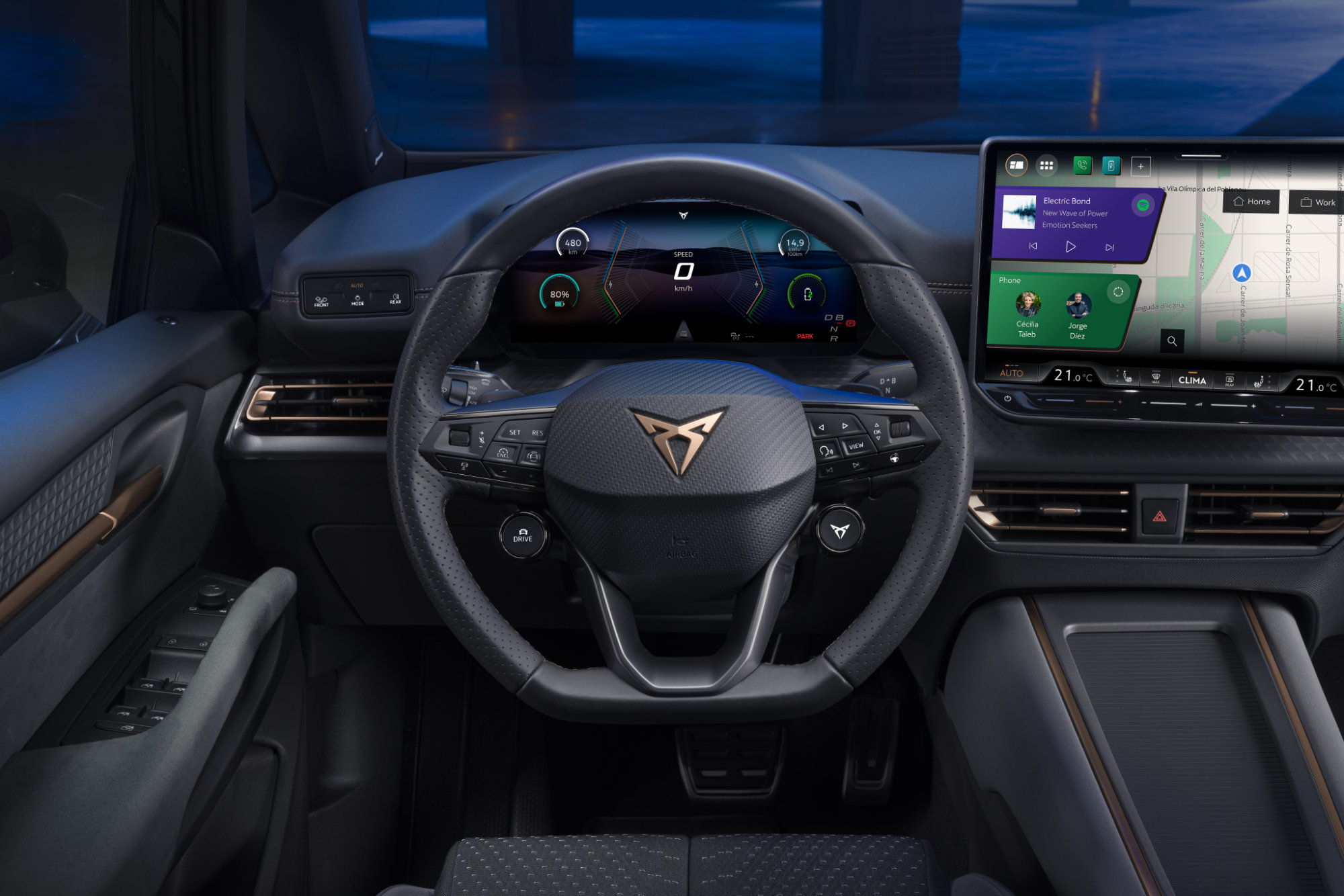
Behind the wheel, the digital cockpit’s grown to 10.25 inches — a massive improvement over the old 5.3-inch unit. More space for navigation, trip data, or drive settings without cluttering the view.
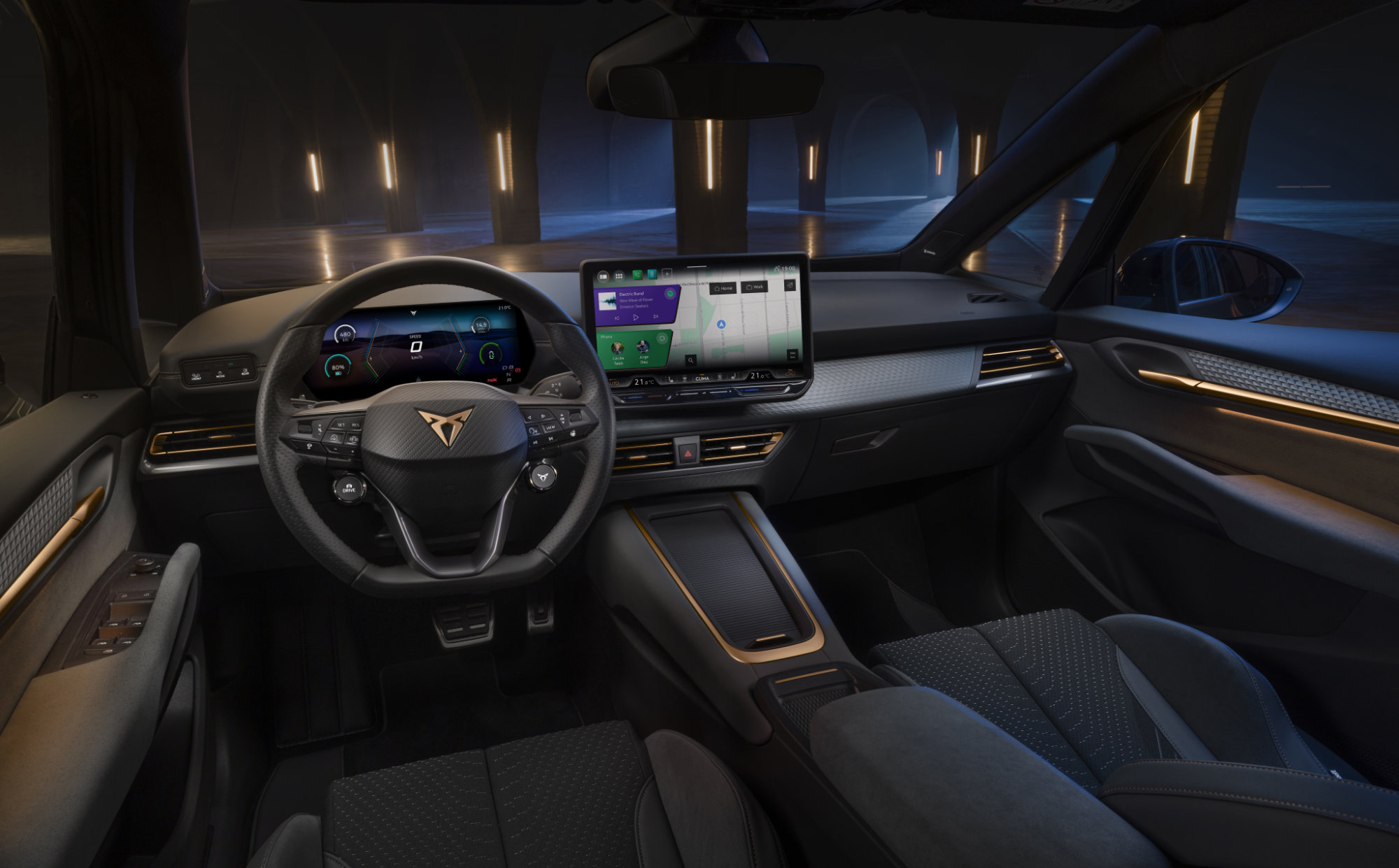
But the real win? Physical controls are back. The new steering wheel ditches the touch-sensitive strips for proper buttons. Volume, drive mode, infotainment — all within thumb’s reach, and you can actually feel them without looking. On the 170kW and 240kW models, there are even regenerative braking paddles — a small thing, but one that makes driving more engaging.
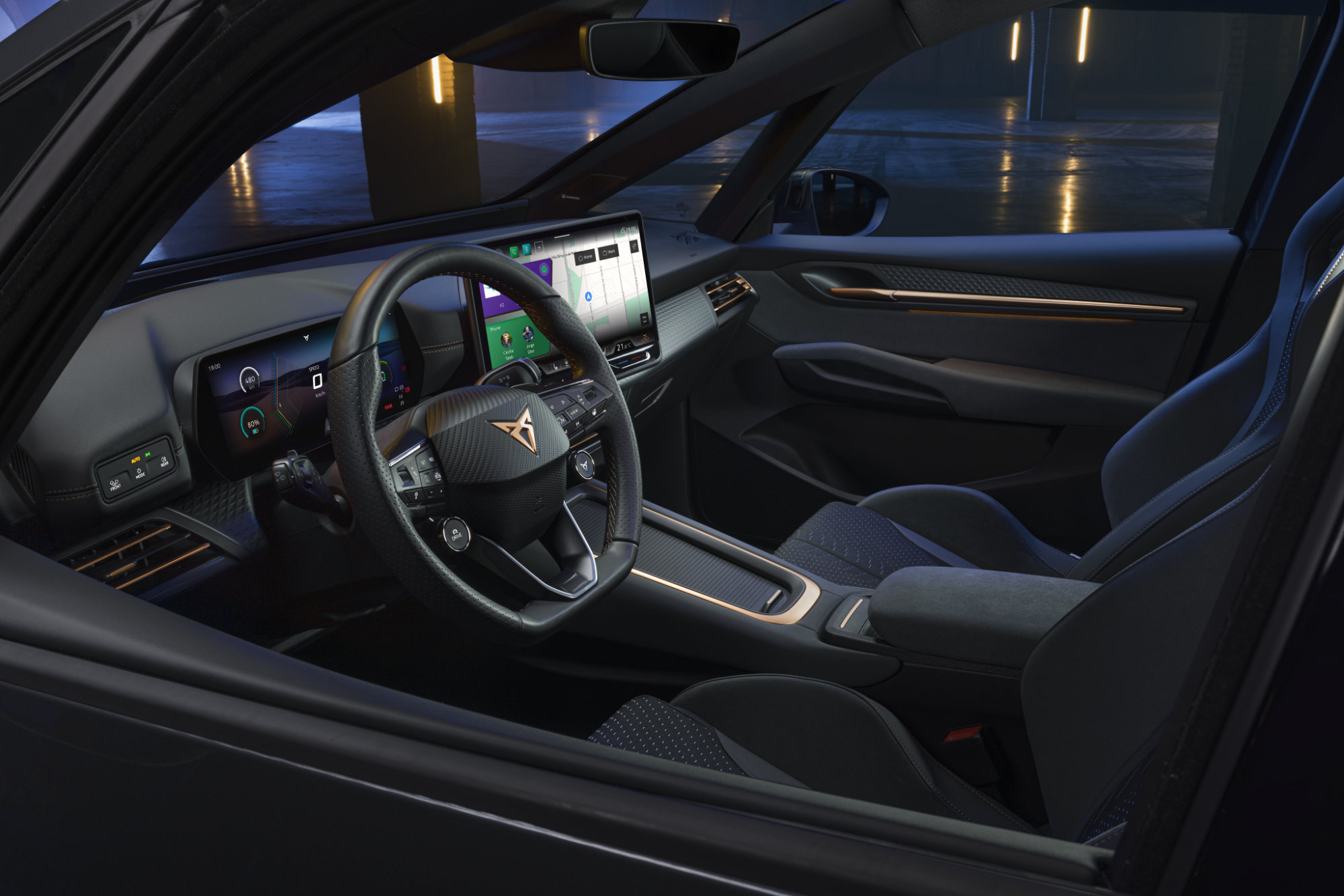
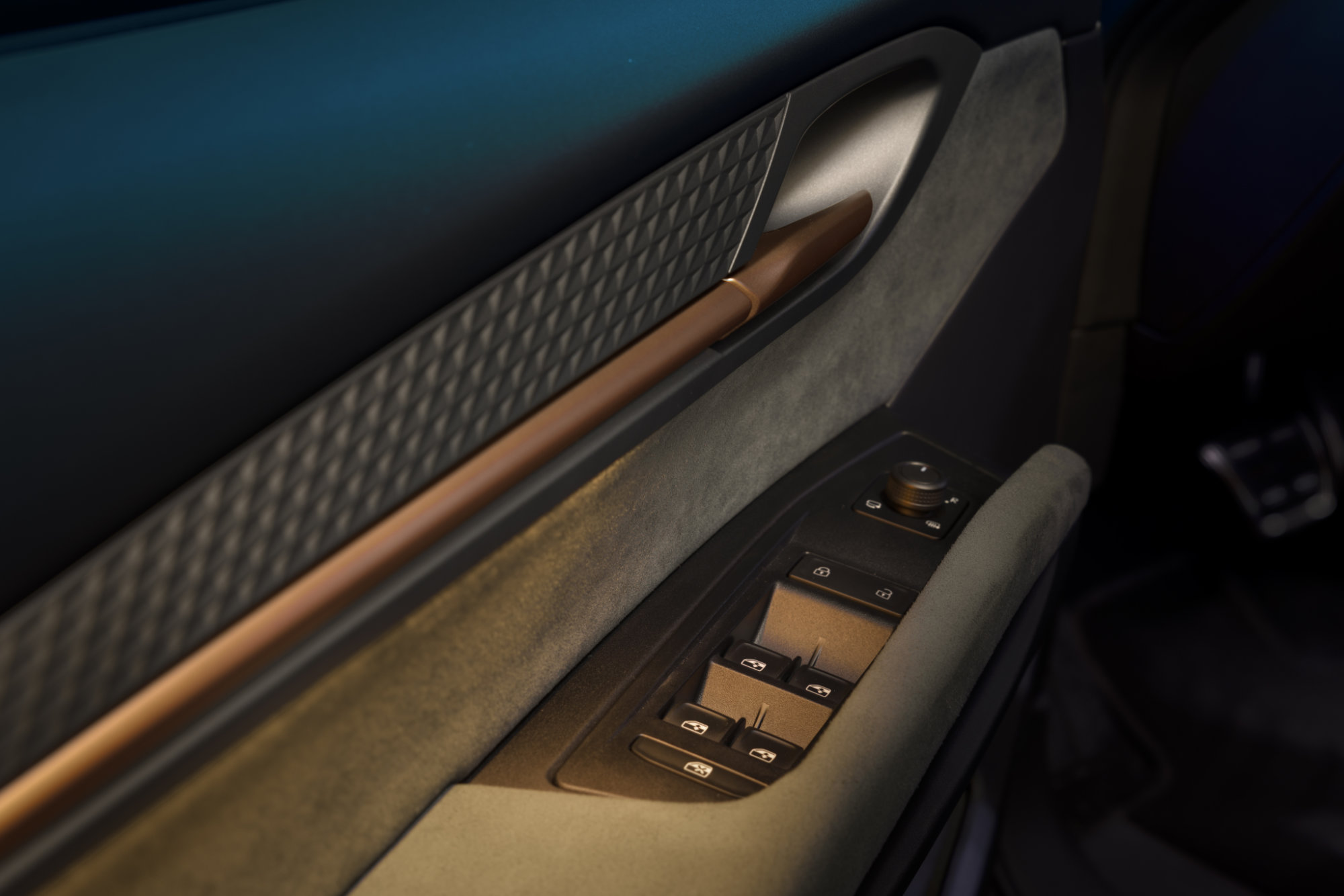
Materials have been upgraded, too. The door panels are softer and more sculpted, and the copper trim appears on the vents, the wheel, and the door latches. It’s not overdone — just enough to remind you this isn’t a mainstream hatch.
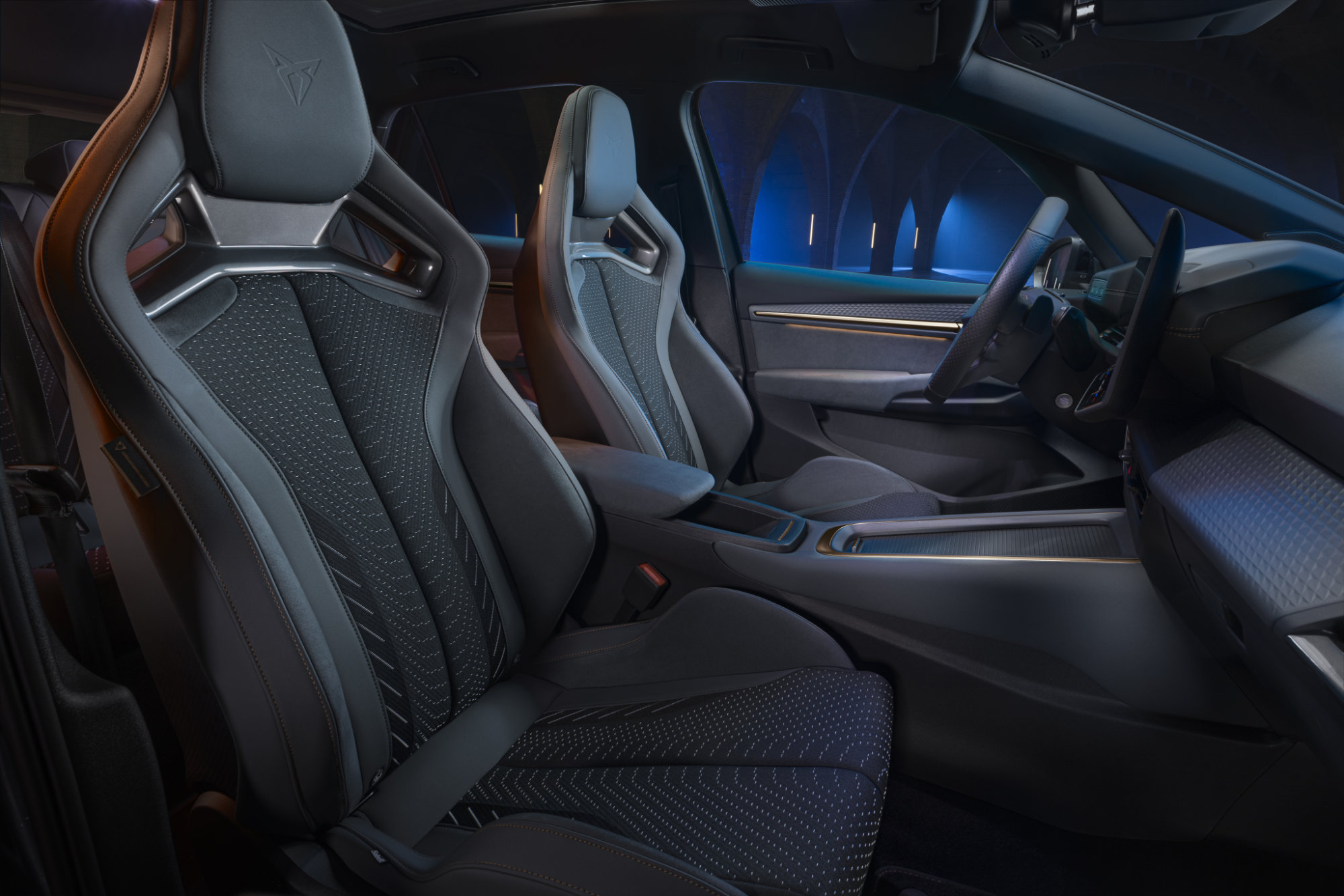
Sustainability’s still a focus: the dashboard moulding uses 75% recycled material, and the seats mix Dinamica® (73% recycled) with SEAQUAL® Yarn made from recovered ocean plastics. It’s not just greenwashing — it actually feels good.
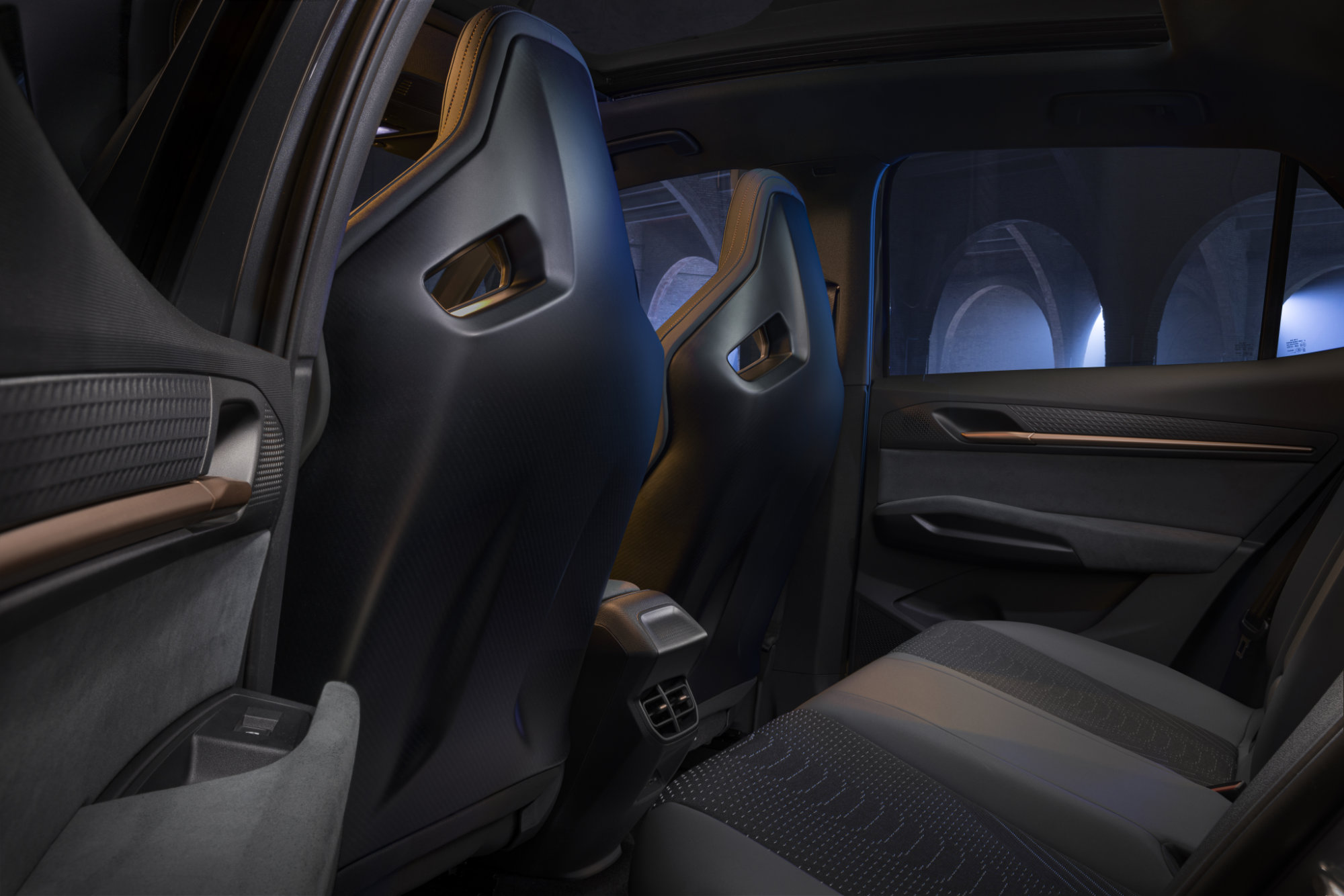
And for rear passengers? There are now proper rear air vents mounted on the back of the centre console, plus improved ambient lighting. No longer an afterthought.
Powertrains
The line-up’s been simplified:
- Born: 125kW (170PS), 50kWh battery, ~279 miles
- Born Plus: 140kW (190PS), 58kWh battery, ~279 miles
- Endurance: 170kW (231PS), 79kWh, ~372 miles
- Born VZ: 240kW (326PS), 79kWh, ~372 miles, 0–62 mph in 5.6 seconds
The Born VZ is the headline act. With launch control, CUPBucket seats, and a new interior sound signature, it’s built for drivers who want more than just range.
One-pedal driving is now standard across the range, making town driving smoother and more efficient. And with DCC Sport suspension, progressive steering, and ESC Sport mode, the handling’s been sharpened across the board.
Tech & Practicality: Smarter, More Useful
CUPRA’s added a few features that actually feel useful:
- Mobile Device Key: Unlock and start the car with your phone. Up to five digital keys can be shared.
- Vehicle-to-Load (V2L): Plug in a laptop, e-bike, or even a speaker system and power it from the car’s battery.
- Augmented reality head-up display: Projects navigation arrows and speed onto the windscreen, so you don’t have to look down.
- 90W USB-C charging, 15W refrigerated wireless charging, and 45W rear charging mean no one’s running out of juice.
- A new optional bike rack towing hook — small, but appreciated by those who live out of their cars.
Safety: Smarter, Not Just Stronger
Driver aids have been upgraded, too:
- Travel Assist 3.0 (VZ and Endurance): Uses cloud data to adjust speed at roundabouts, traffic lights, and bends.
- Crossroad Assist: Watches for oncoming traffic at junctions and can brake automatically if you’re about to roll into danger.
- Front Assist now detects up to two vehicles ahead and gives escalating warnings — visual, audible, even tactile.
- Precrash with rear detection means the car can tighten seatbelts and close windows if a rear impact’s coming.
And on the VZ, the Matrix LED headlights don’t just look good — they make night driving safer by cutting glare while keeping the road lit.
Stay tuned
We haven’t driven it yet — but we’re optimistic.
And when we do? You’ll hear all about it.
What do you think of the facelift? Let us know in the comments below.


