


What is it?
CUPRA’s new baby all-electric hot hatch, and it’s great.
At launch, the range will include several versions, from more accessible 37kWh models through to 52kWh versions with more power, more range and more equipment.
The version we have here is the performance-focused VZ Extreme, with a 52kWh battery and a 166kW electric motor, delivering around 225 PS. CUPRA quotes 0-62mph in 6.8 seconds for the VZ, with a top speed of 109mph and up to 273 miles of range.
The VZ is also fitted with Dynamic Chassis Control and an electronic limited-slip differential.
UK pricing currently starts from £23,785 for the Origin 37kWh 115PS, rising to £34,995 for the VZ and £36,310 for the VZ Extreme.
Verdict
We had a blast in the Raval VZ on our first drive in Spain, and think CUPRA has delivered one of its most exciting cars to date. It goes well, handles brilliantly and the interior feels modern and distinctive. We only had a few hours with the car and are looking forward to getting one for longer here in the UK to really put it through its paces. CUPRA needed its small EV to hit the mark, and we believe it has definitely delivered.
What we liked
- Handling
- Performance
- Interior cabin
- Deceptively roomy
What we didn’t like
- The odd software issue
- Plastic on the wheel trim
Exterior Design
The Raval looks great in the metal.
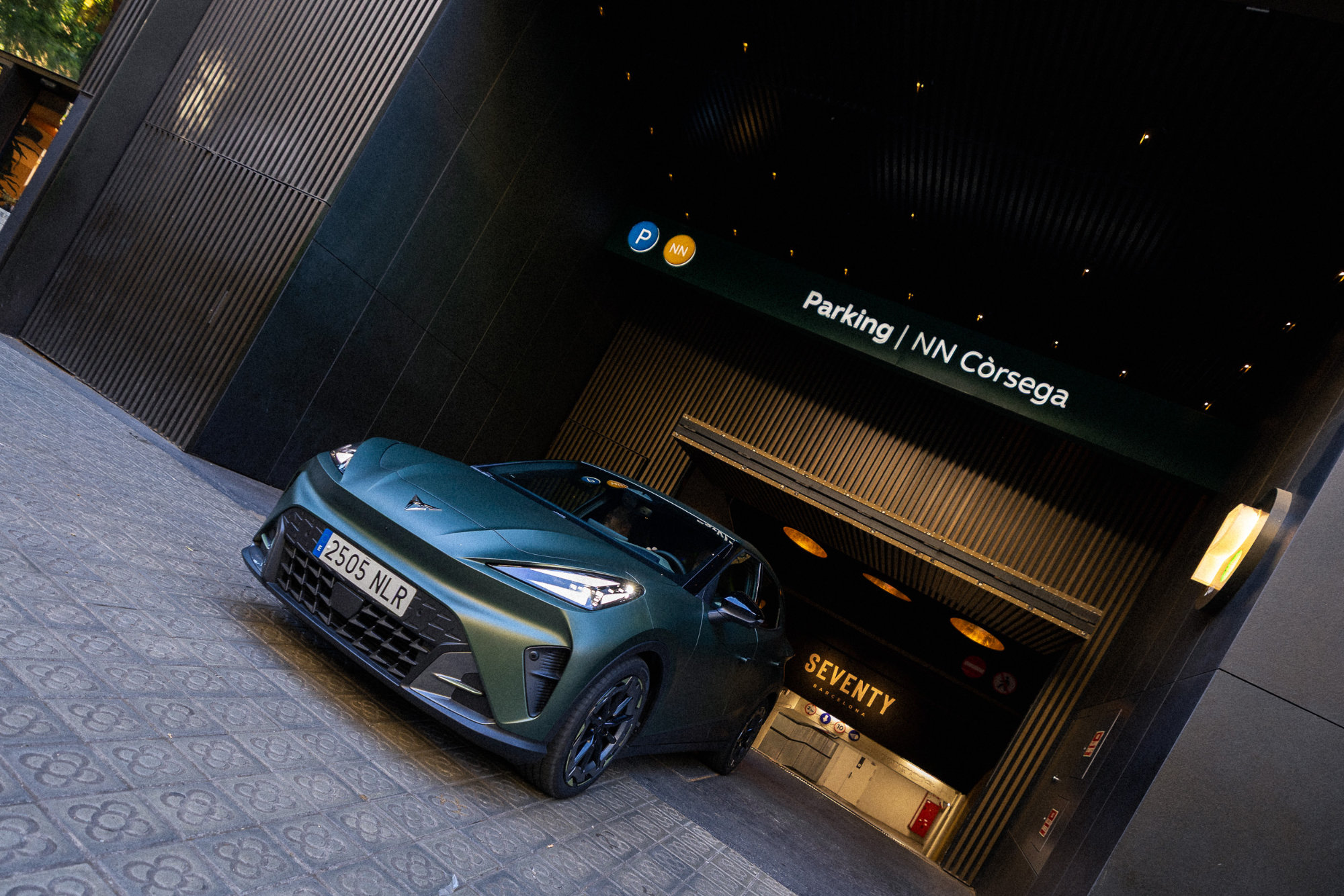
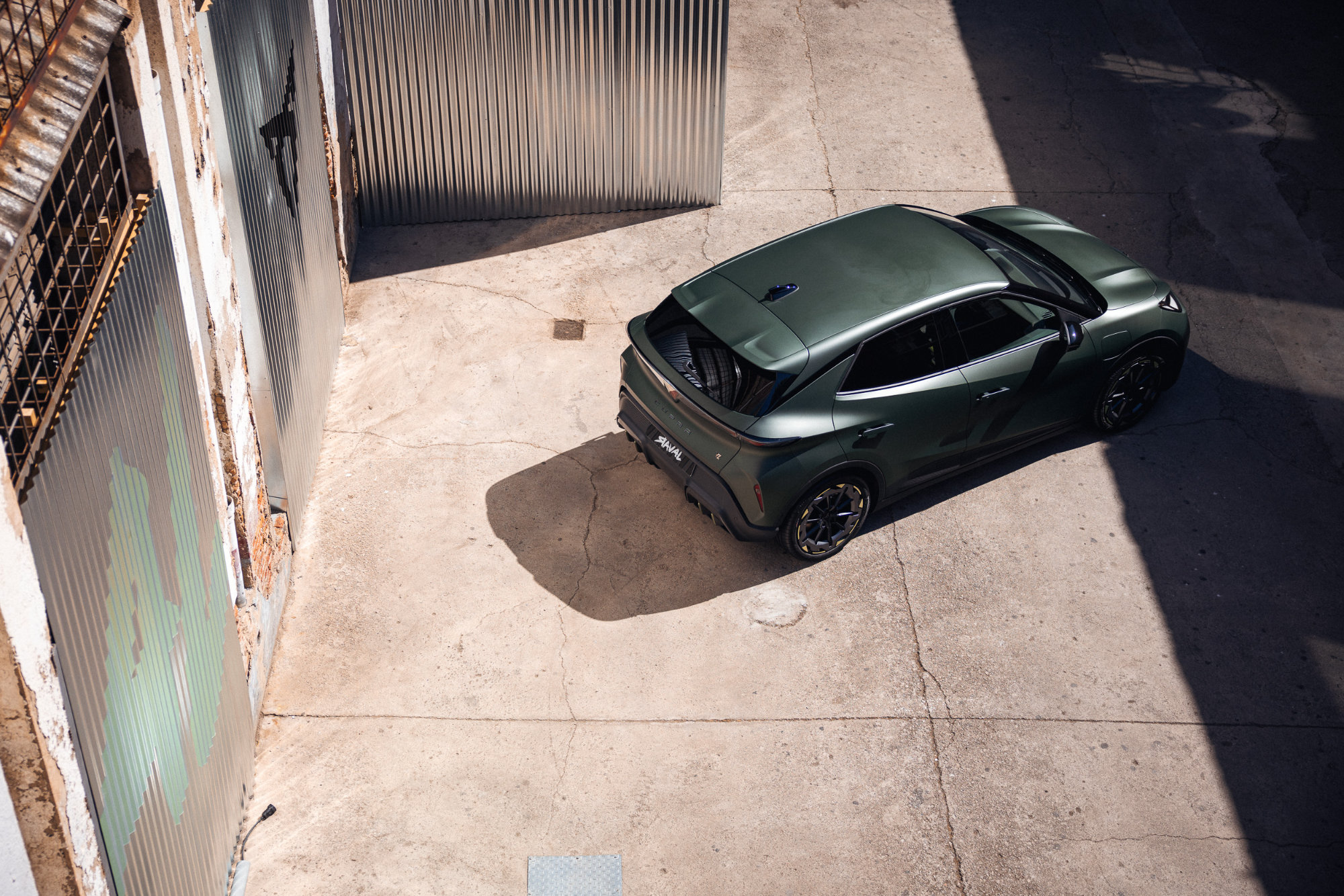
Small cars can sometimes look quite boring, especially when they are built around affordability and urban use, but the Raval has that well-established CUPRA presence. It is short, wide-looking, sharply surfaced and far more dramatic than you might expect from a car in this class.
In terms of colour, Plasma Iridescent is the headline shade, a new colour for this car (CUPRA always launches a new colour specific to each model) and gives the car a shifting colour effect depending on the light. Manganese Matt was the colour of the car we drove, featuring Sulphur green accents on the wheels and exterior trim, which enhance the styling even further.
You can also opt for a bi-colour roof in black or dark grey, which is free. Yes, free.
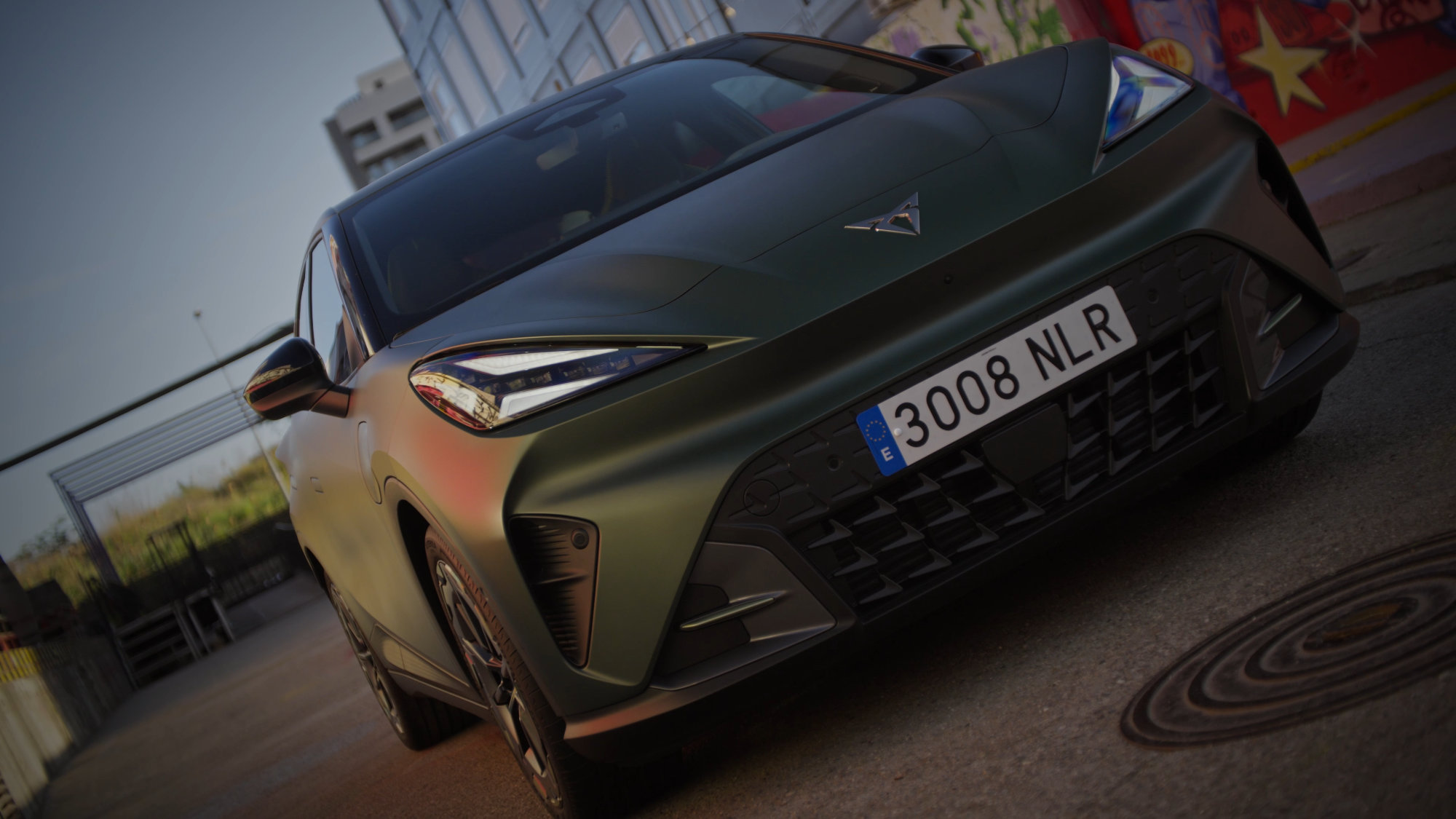
The front end is aggressive and features CUPRA’s “shark nose” design, which we first saw on the facelifts of the CUPRA Leon and Formentor. This is complemented by the sharp, triangular light signature, sculpted bonnet, and wide lower intakes, which are functional, not just for show.
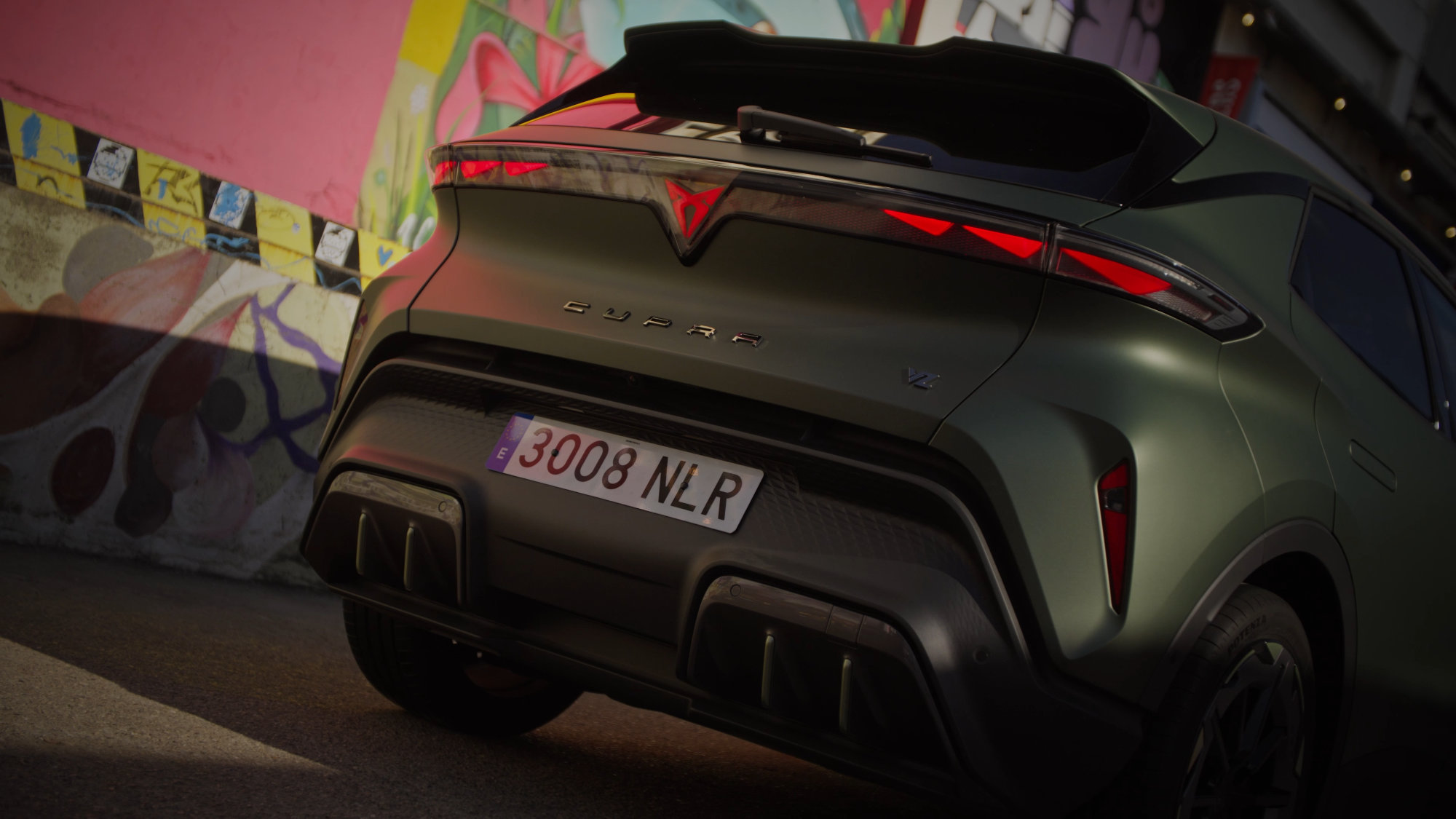
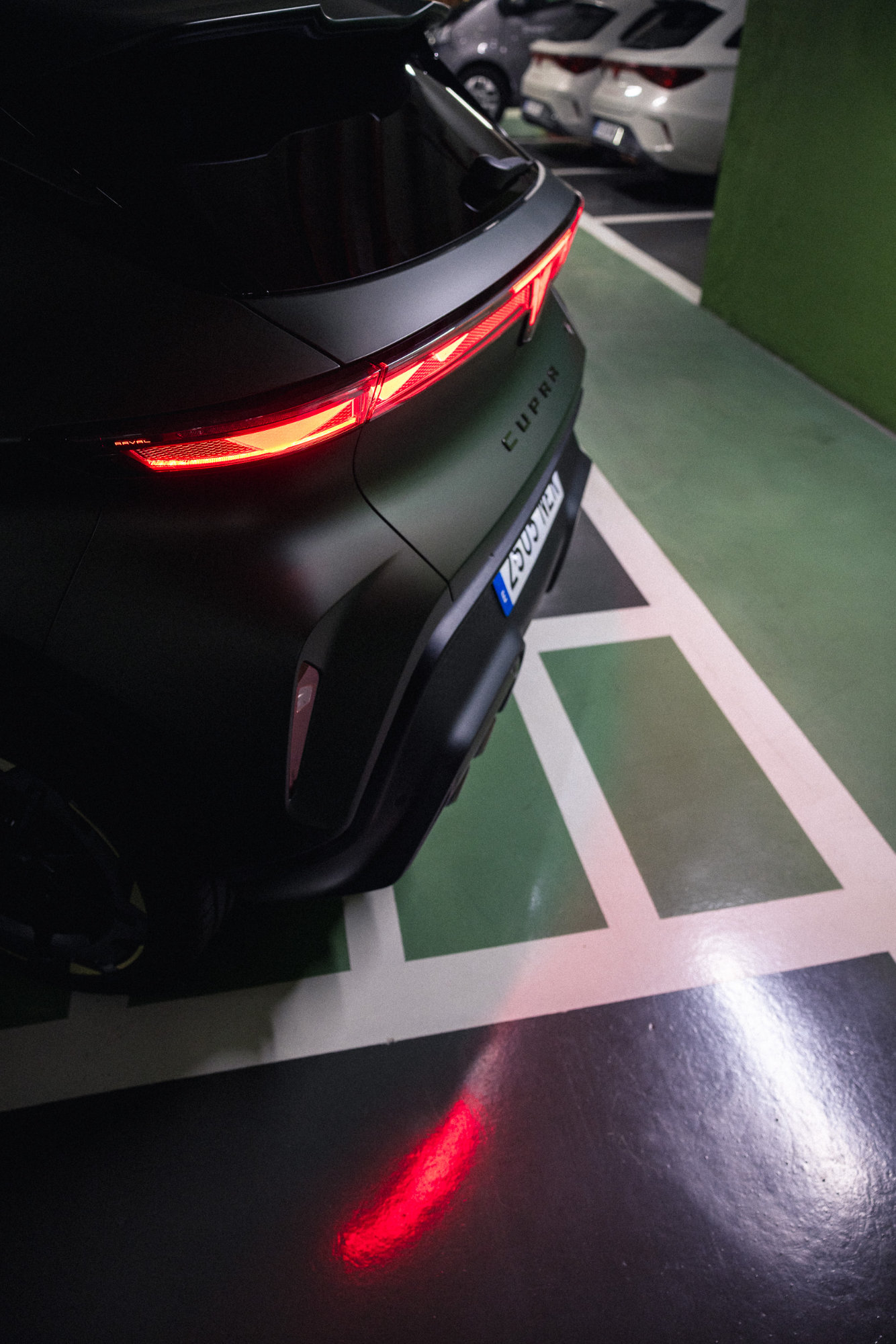
At the rear, the illuminated CUPRA logo, “coast-to-coast” light bar, and 3D triangular lighting give it a much more premium feel than many small EVs.
The light bar has more detail than those on other CUPRA models, too, with an angular pattern up close that matches the shapes on the lower front grille, a nice touch. CUPRA often go all in on the details.
CUPRA, and SEAT before it, have always tried to do clever things with lighting, and the Raval is no exception. Did you know the Mk3 SEAT Leon was the first car in its class to feature full LED front headlights as standard?
At the bottom where the exhausts would be CUPRA have added a set of diffusers coloured with the green accents.
The car features flush door handles, which pop out when the car is unlocked. These have been a safety concern for other manufacturers, with reports of rescue services being unable to open cars after electrical failures in accidents and people sadly dying as a result. CUPRA has this covered however, with handles that can still be mechanically opened by pushing one side in, allowing the handle to be pulled fully open.
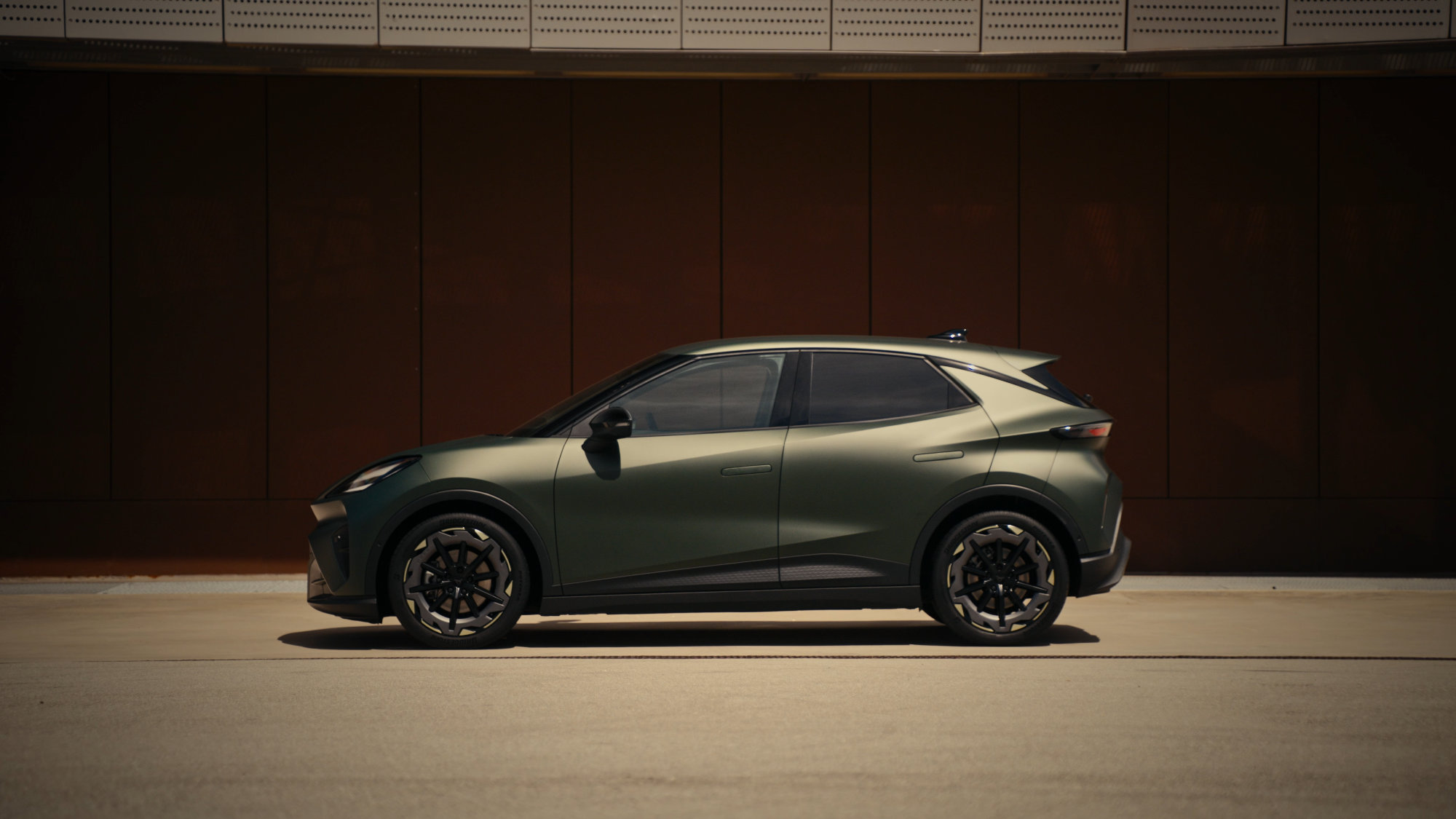
The Raval is deceptive because it looks bigger than the measurements suggest, giving it a haunched, muscular look, especially from the back, which is my favourite angle.
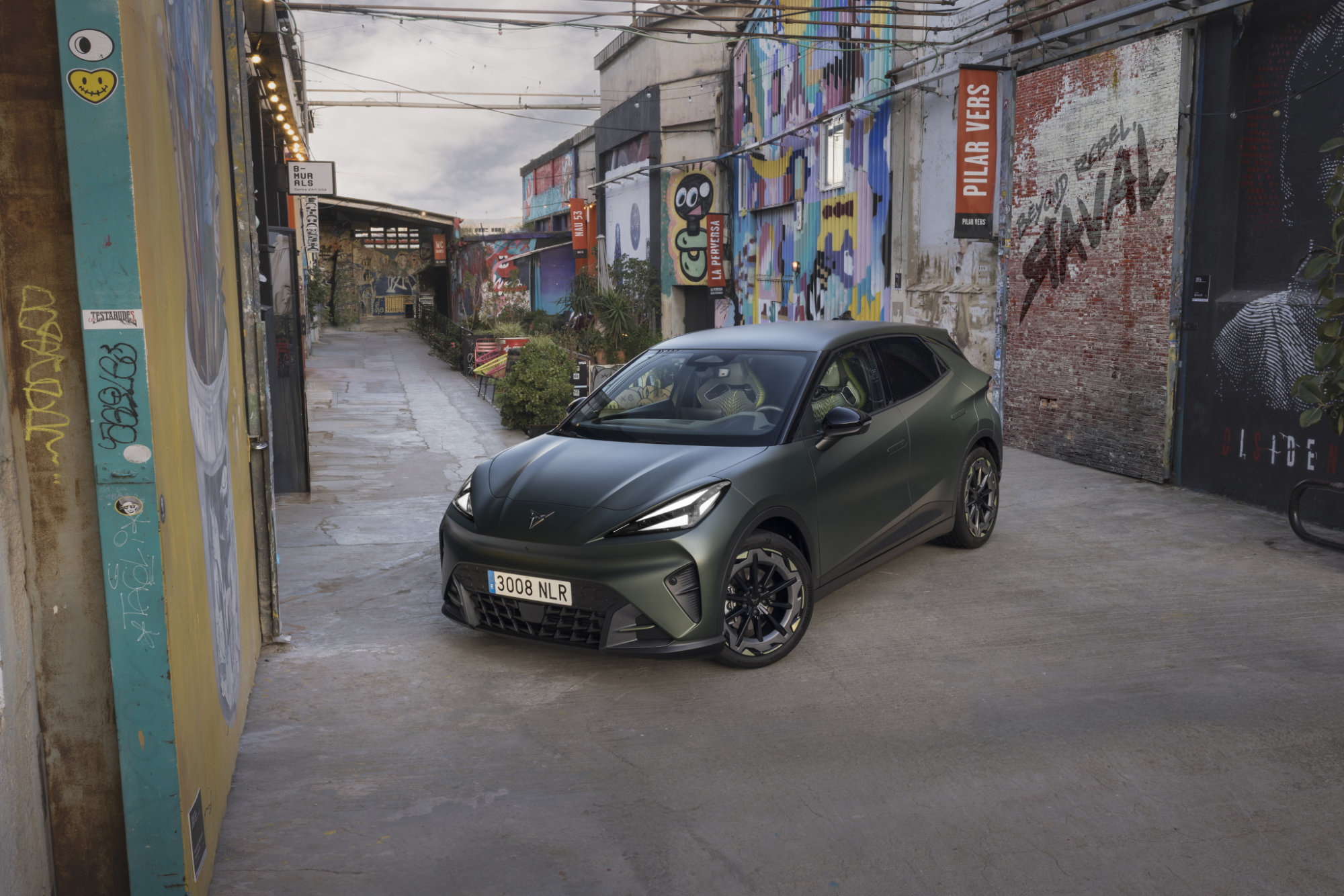
I think it looks great. It has real road presence, and CUPRA really does keep knocking it out of the park with design these days.
Interior
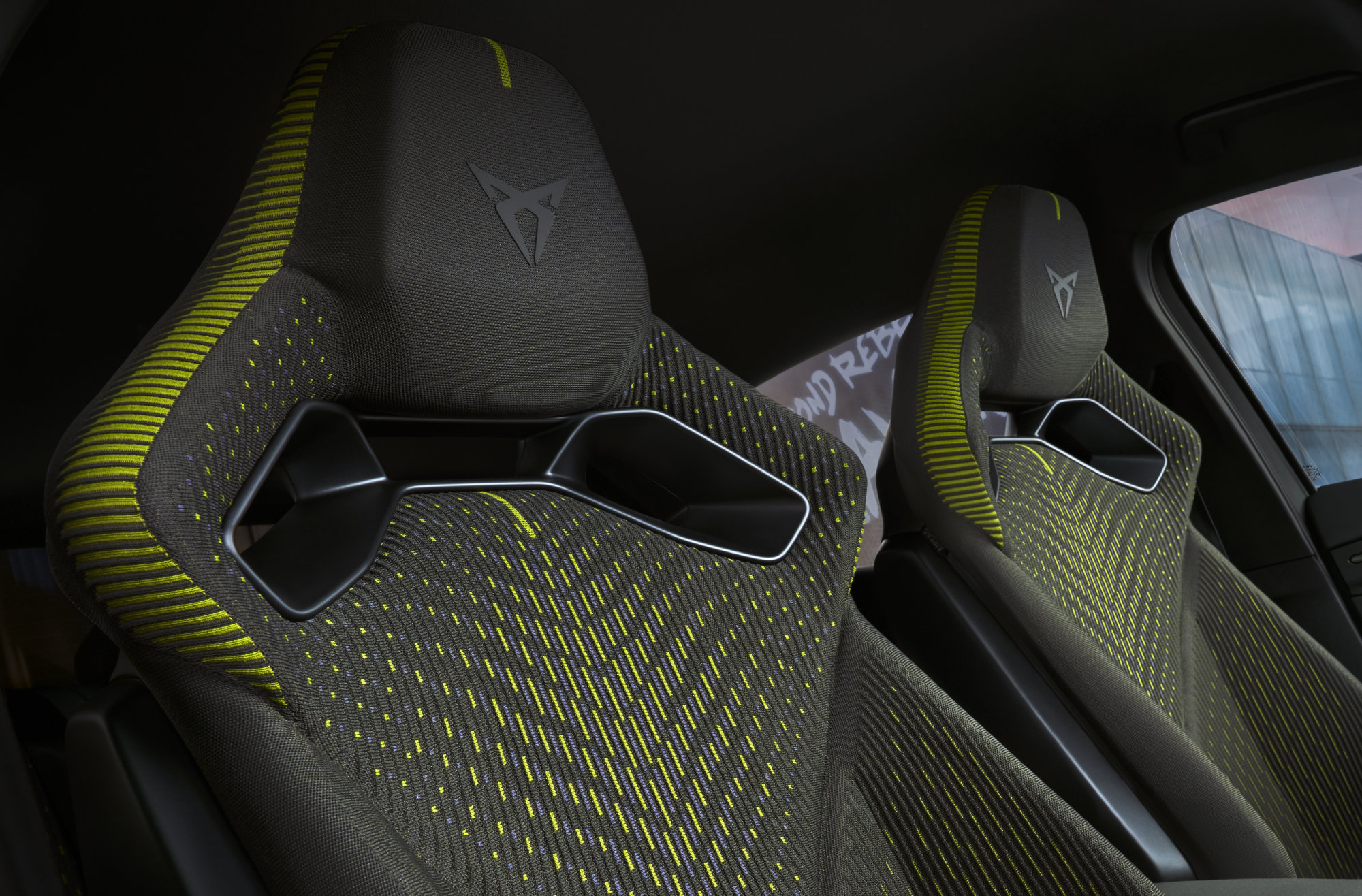
The VZ features CUPRA’s excellent CUP bucket seats, as first seen in the CUPRA Leon and Formentor VZ models, albeit with different coverings and materials. In the Extreme edition, the seats feature 3D knitted technology and are made from 100% recycled materials. They also feature more of the green colouring seen elsewhere in the cabin and on the exterior. They are supportive, very comfortable and look great.
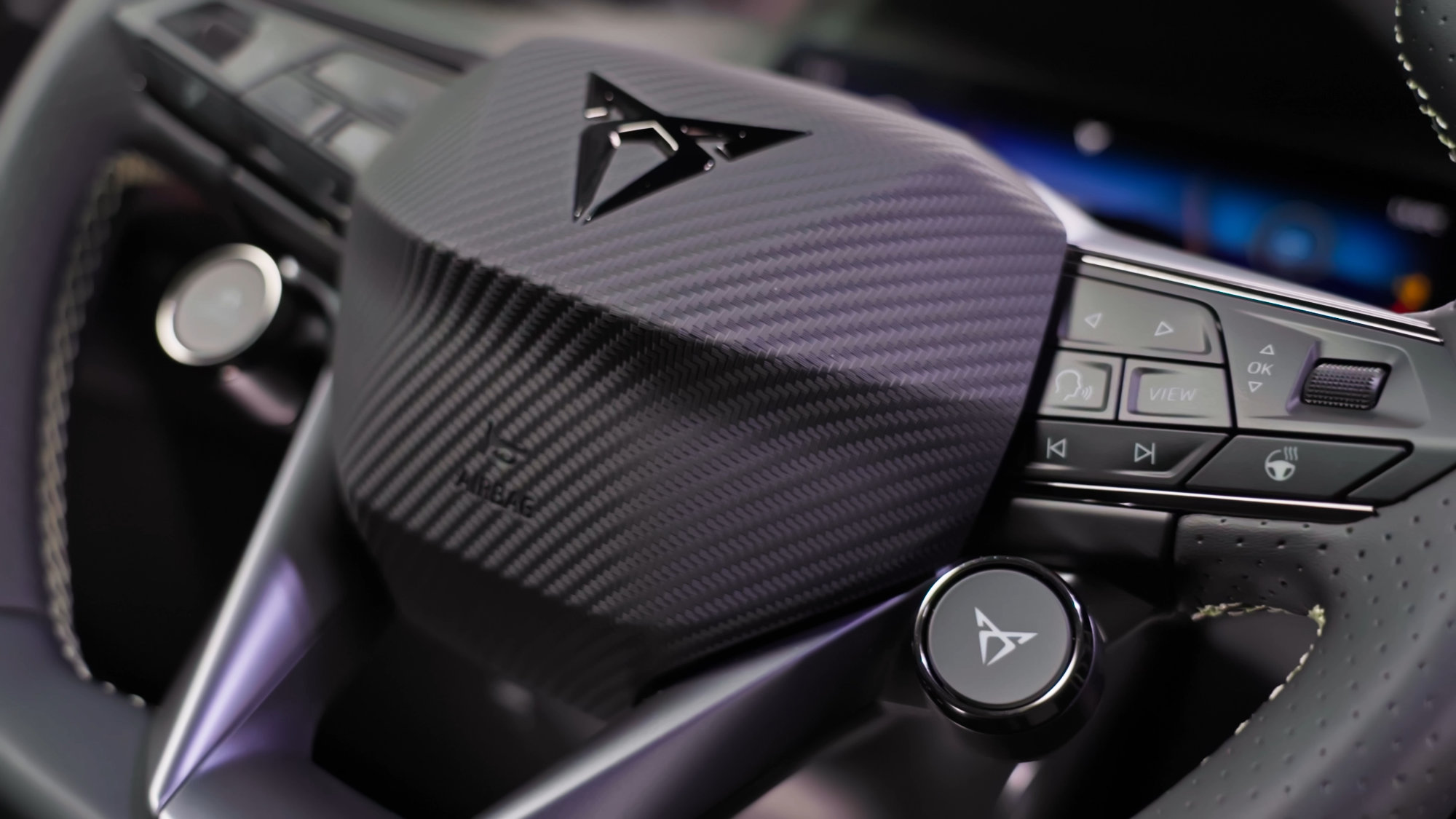
You sit quite low for a small EV, which adds to the sporty feel. Thankfully, the steering wheel has proper physical controls rather than annoying haptic buttons. It is a variation of the now-familiar CUPRA steering wheel, with a slightly different design in places, and, on the Extreme edition, a black chrome CUPRA badge replaces the usual copper colour.
The paddles behind the wheel control the battery regeneration, allowing you to change the intensity. As expected, you also have drive mode buttons on the wheel, allowing you to switch between modes or go straight into CUPRA mode. More on that later.
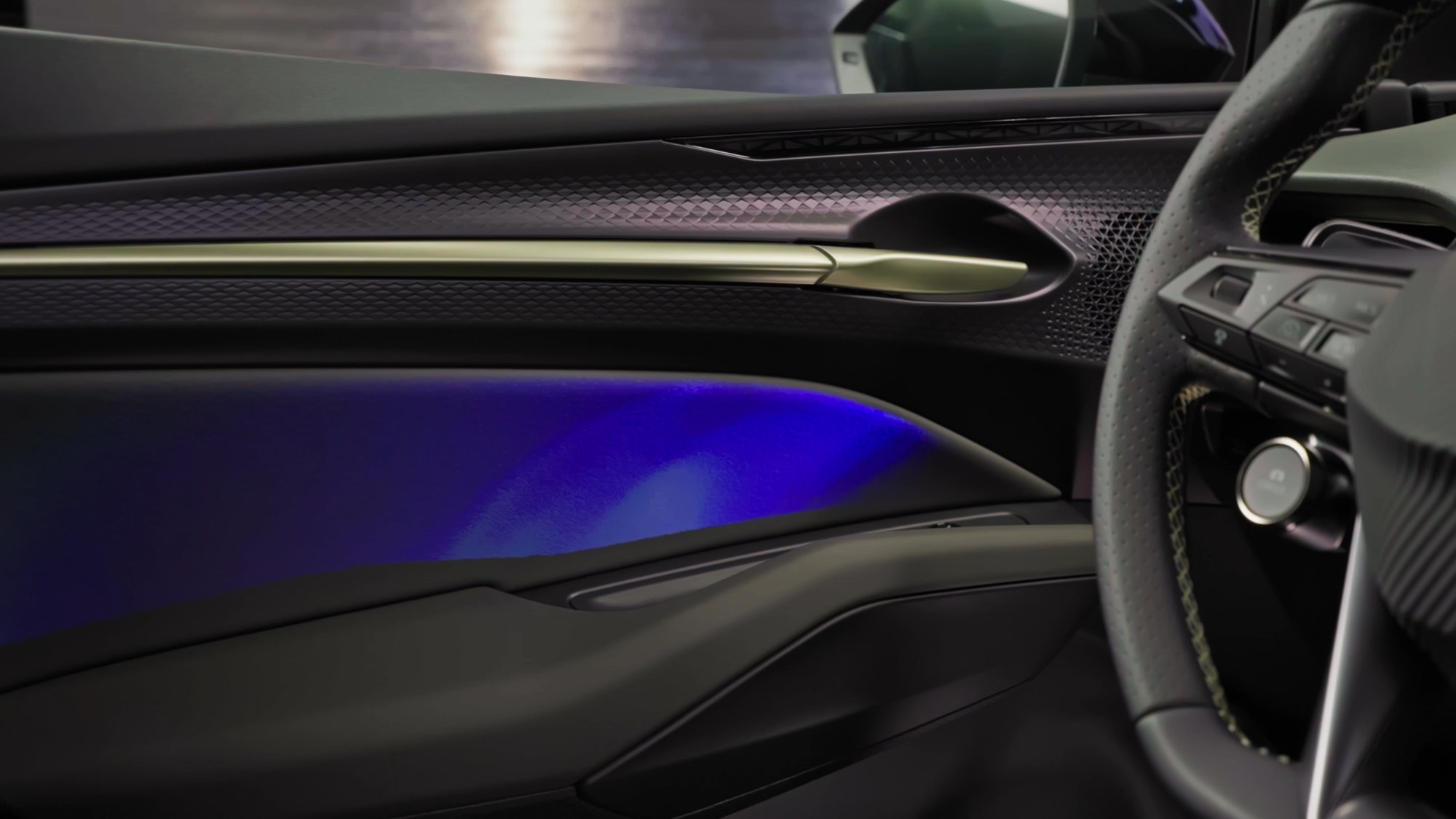
All versions get a 12.9-inch central infotainment screen and a 10.25-inch digital cockpit, which is much larger than the one found on the first-generation CUPRA Born and Tavascan. Higher-spec cars add features such as ambient lighting, projection lighting on the door cards, which you can change based on your mood or driving profile, and Sennheiser AMBEO Immersive premium audio with 12 speakers, including a subwoofer, fitted to V2 models and above.
Interior lighting plays a key part in the cabin experience, with a new light bar design that runs across the entire dashboard below the windscreen. It communicates with you during parking by flashing in the area closest to nearby objects, and also warns you when a car is passing.
One of the coolest features of the whole car is the projected lighting onto the front door cards. Different lighting animations dance around depending on your drive mode or personal animation choice. It is a genuinely immersive effect.
Although it is still a compact car, it makes good use of its footprint. CUPRA quotes a 4+1 layout and a 443-litre boot, which is very impressive for something this size. It is bigger than the boot in my Leon!
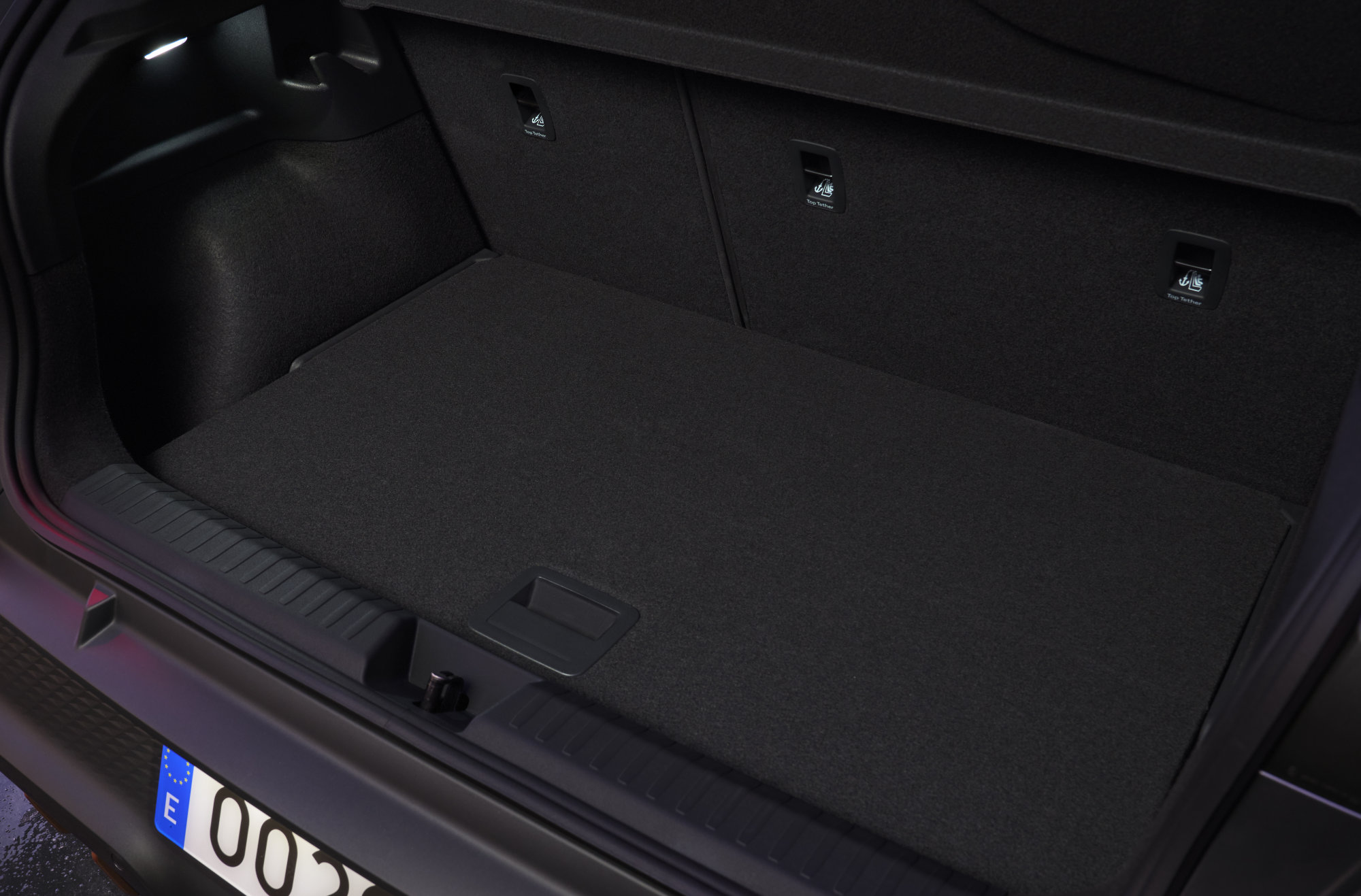
Sitting in the driving seat, it does not feel vastly smaller than my Leon either. The back seats are comfortable too, with slightly reduced legroom due to the battery, but it is not as bad as in some other electric cars I have experienced.
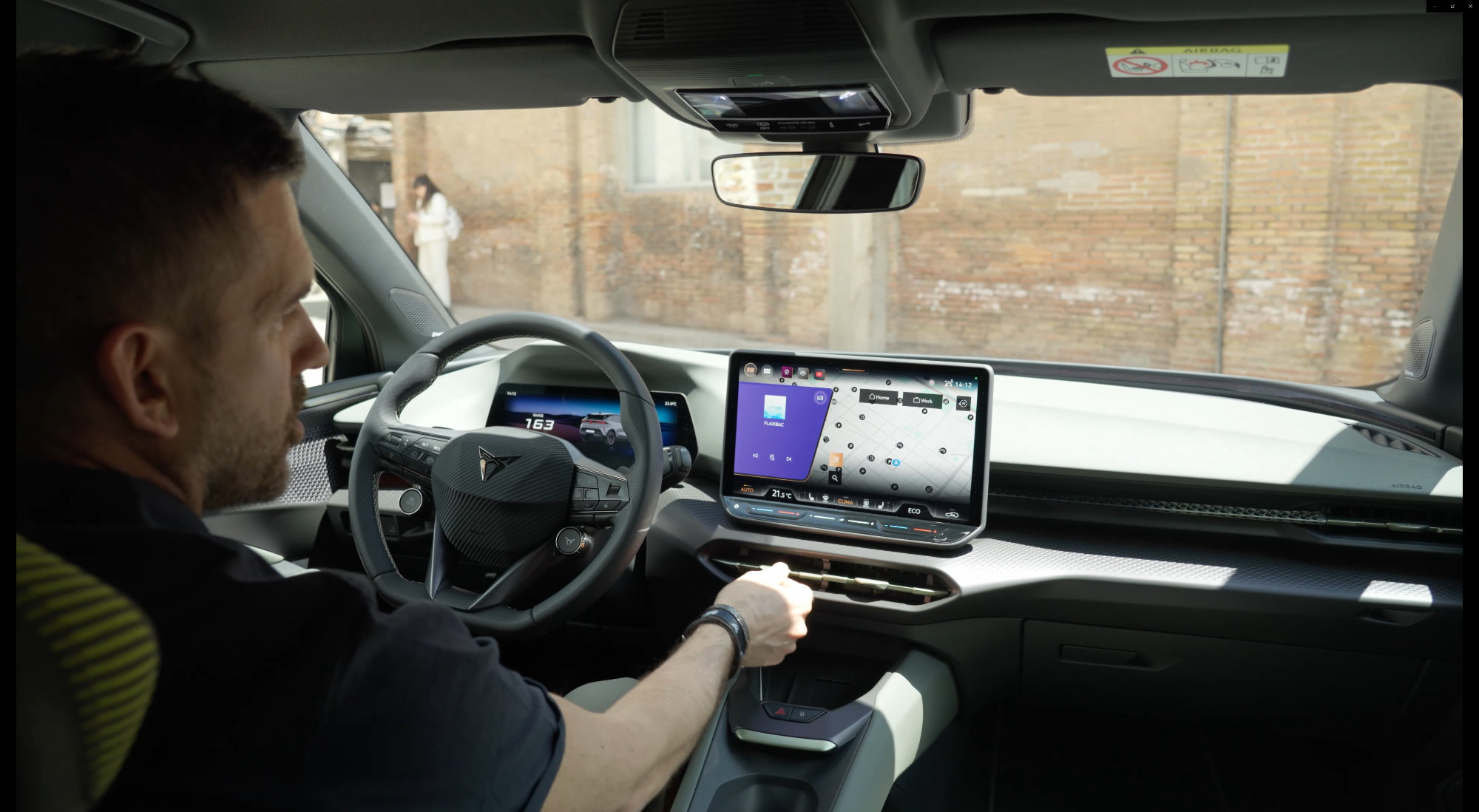
The Raval also advances CUPRA’s in-car tech, particularly with the new Android Automotive-based infotainment system. This is also coming to the CUPRA Born facelift and Tavascan update.
The 12.9-inch screen is sharp, and the interface feels more modern than older Volkswagen Group systems. There is an app store, a voice assistant, CUPRA Connect services, digital key functionality, and, depending on trim, features such as remote parking, a top-view camera, and Travel Assist 3.0.
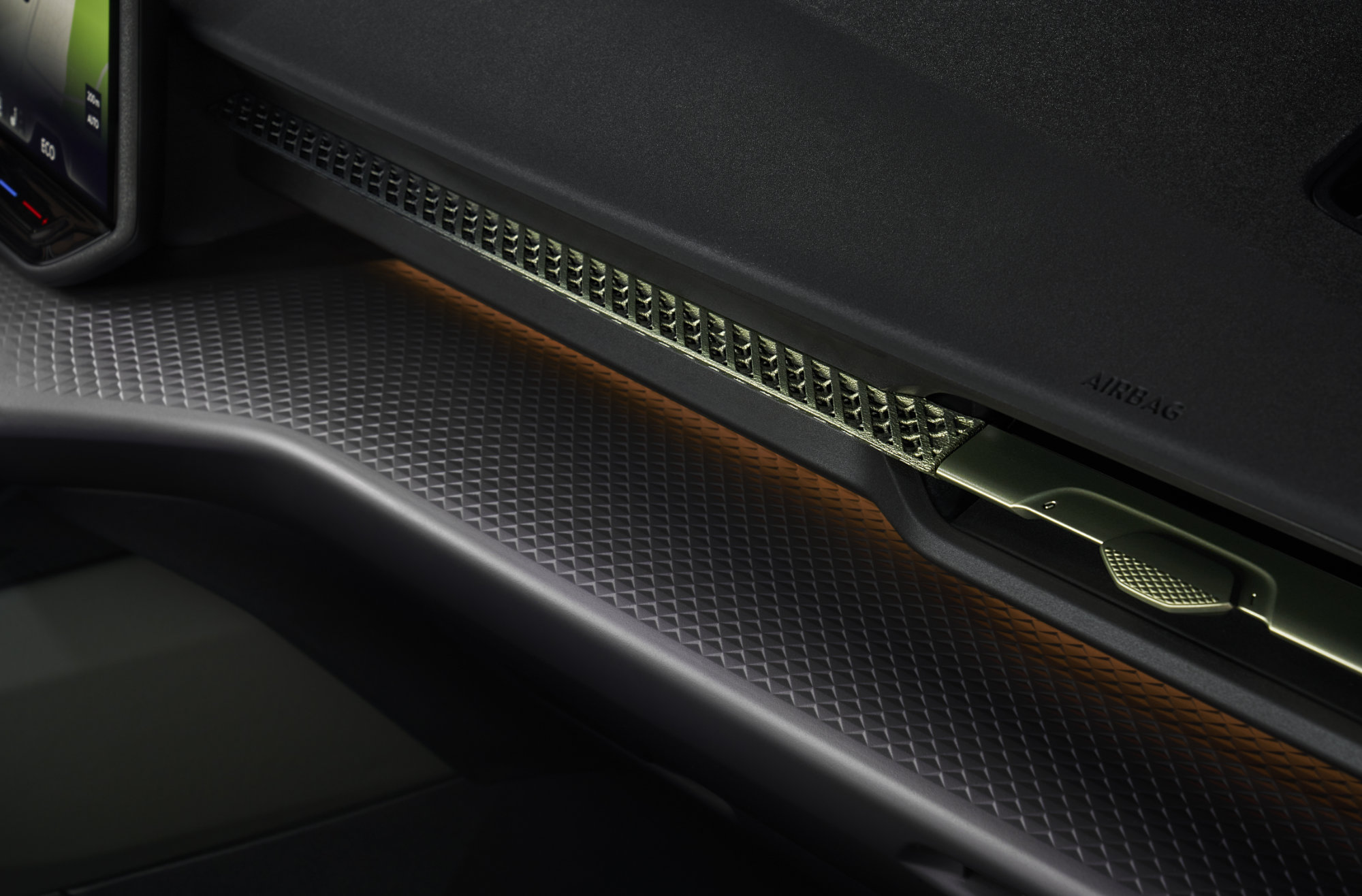
CUPRA has done a great job with the cabin interior, controls, and included kit. It is a very cool and comfortable place to be.
Performance and Driving
This is where the Raval makes an even stronger case for itself.
I expected good things from the spec on paper, and I was not disappointed. It feels like a proper driver’s car, as I said in the title, a real firecracker.
The VZ model gets 166kW, 290 Nm of torque, and a 52kWh battery. The 0-62mph time of 6.8 seconds does not sound outrageous by modern EV standards, but in a compact front-wheel-drive hatchback, it feels plenty quick.
I can’t say it felt much slower than my CUPRA Leon VZ3 with 300PS! I thought the Born VZ felt like a go-kart, but this takes that feeling even further.
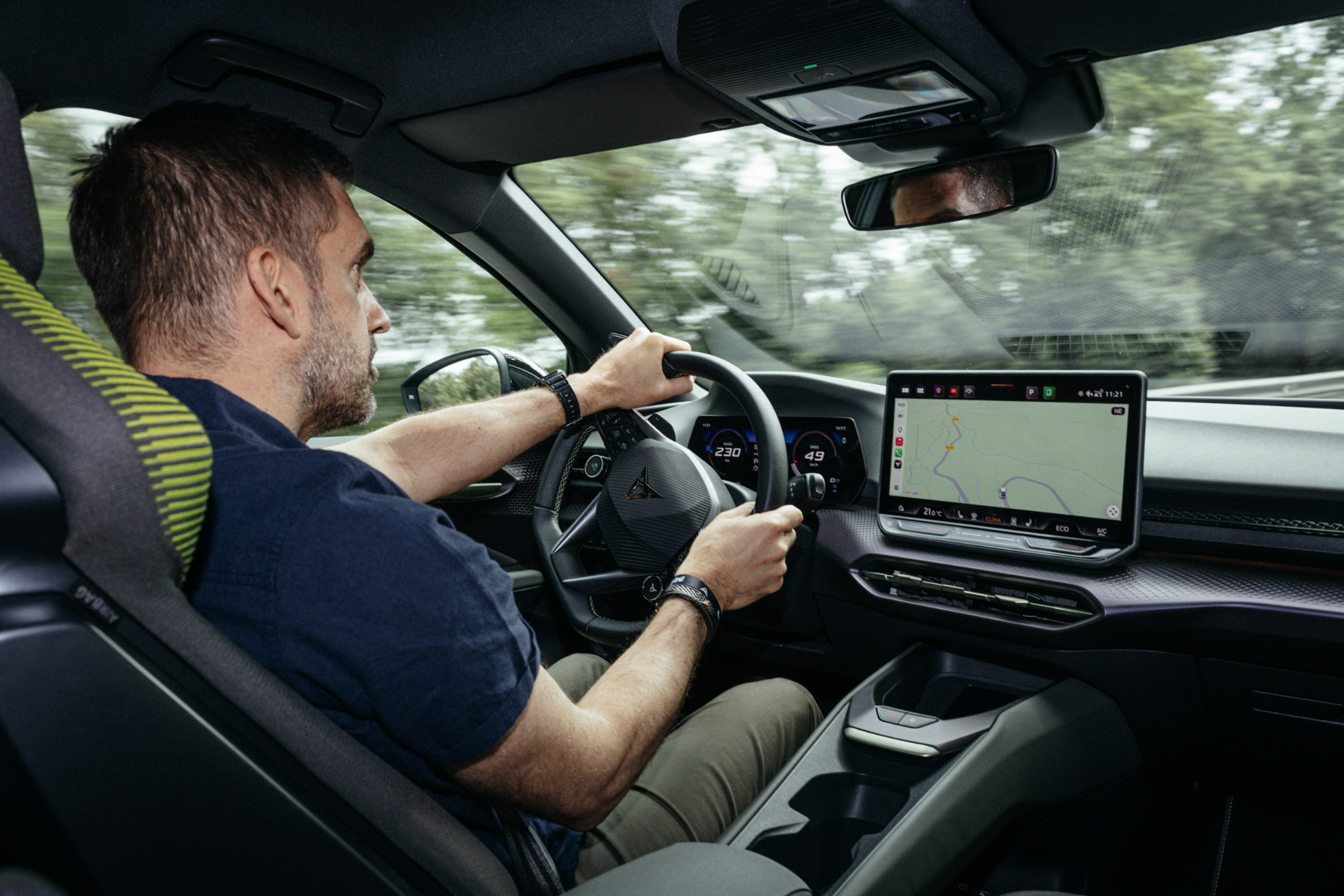
Around Barcelona, the Raval feels immediately responsive and very eager to launch you forward. The instant torque is addictive, so you do have to keep an eye on the speed limit. Yes, I turned off the annoying speed limit warning.
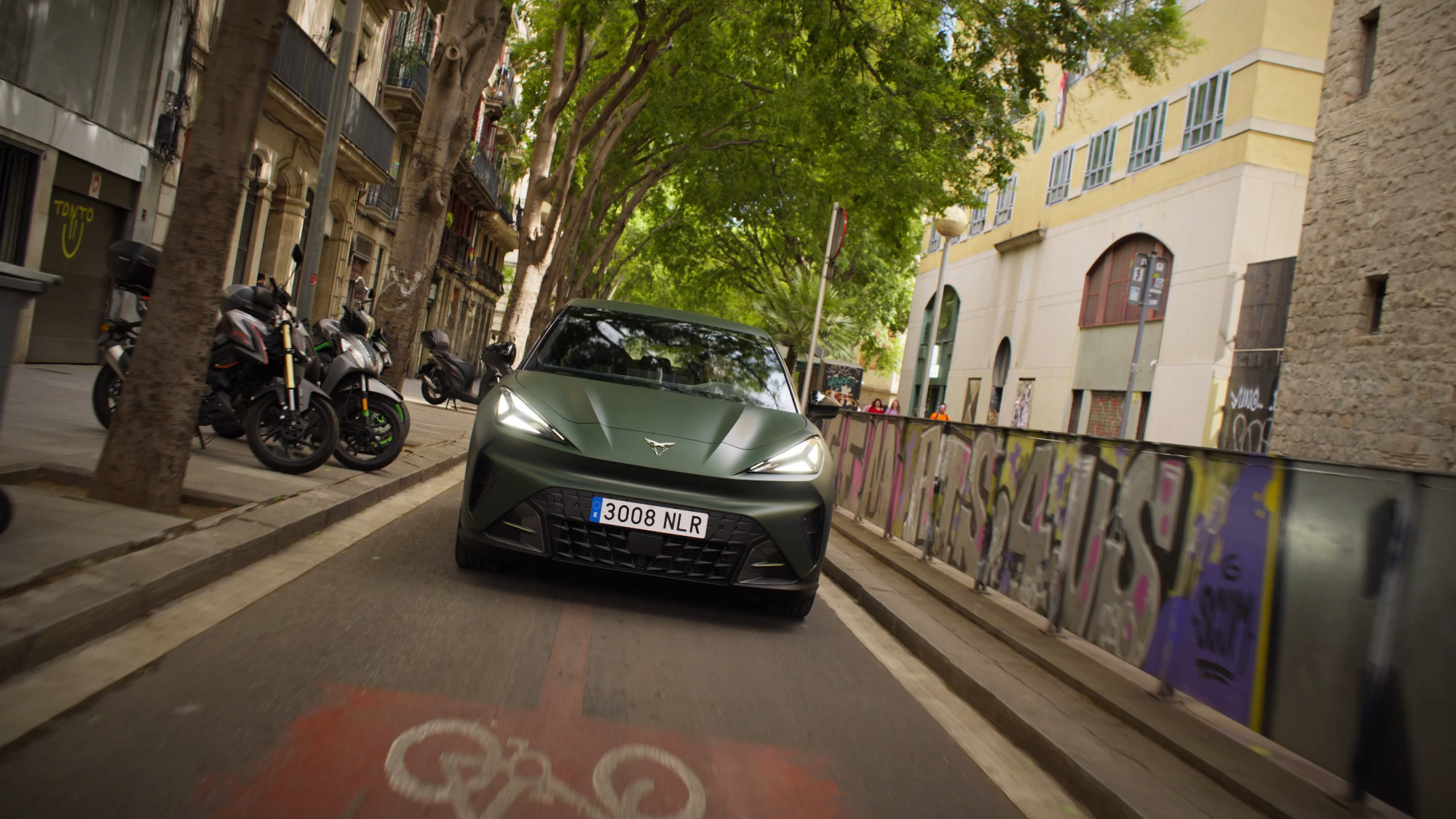
The chassis itself really impresses. The VZ sits 15mm lower than the standard editions and gets Dynamic Chassis Control, ESC Sport and an electronic limited-slip differential. The latter helps the Raval put its power down more cleanly and gives the front end a more positive feel.
The steering is quick and responsive. The car changes direction neatly, feels compact on tight streets, and has an agility that many small EVs lack. There is still weight from the battery, of course, but it feels well-managed.
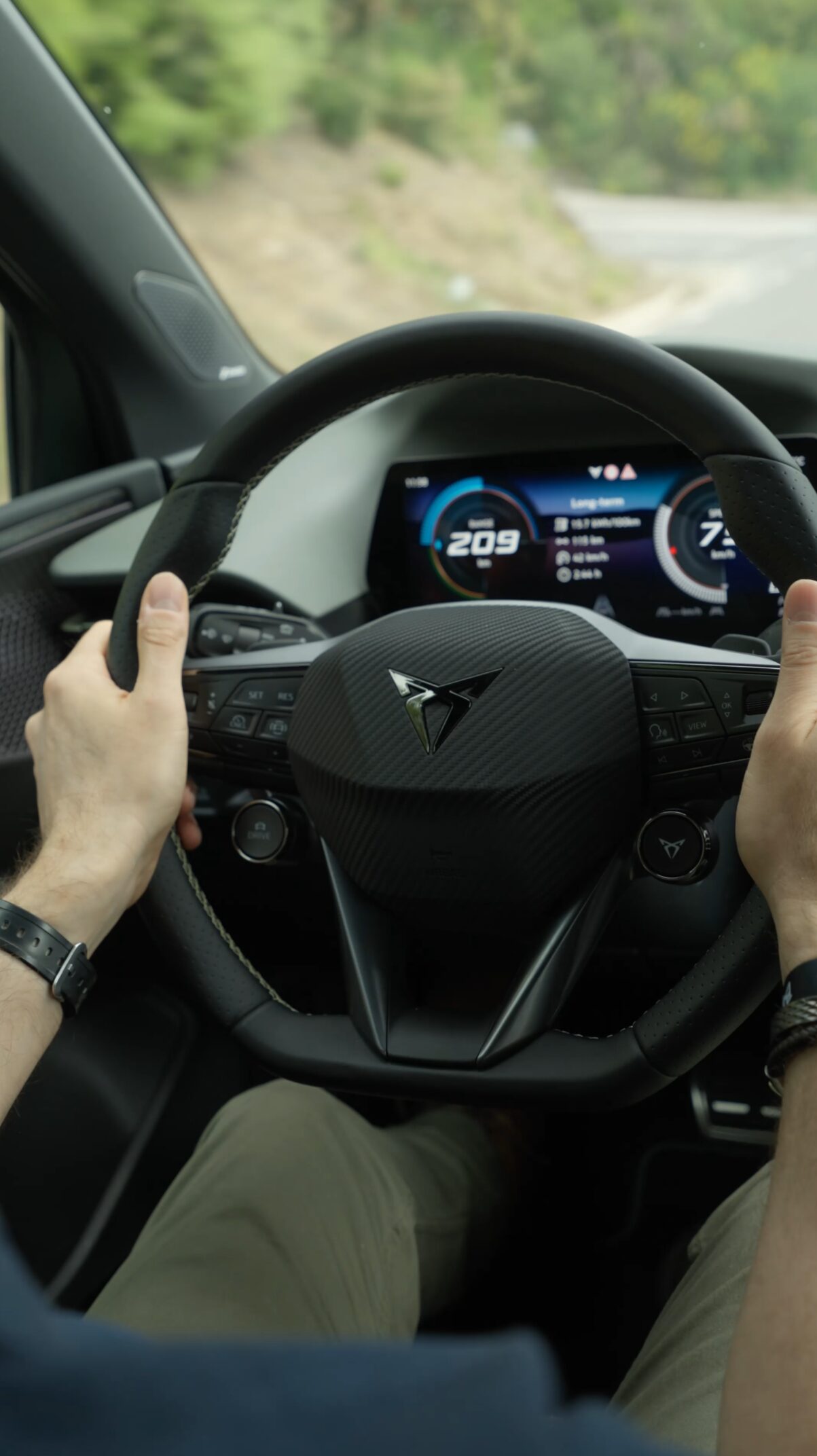
As we moved up into the hills and onto the smooth Spanish tarmac, I pressed the CUPRA button and was greeted with a futuristic synthetic sound as I accelerated, along with tighter steering and firmer suspension. It put a big grin on my face as I threw the car into corners with confidence, with the regenerative braking making it a hoot to drive without needing to use the brake pedal. The poor videographer in the back was struggling to keep filming. See the video review!
Cornering hard, you feel the car tucking the rear around, almost as if it is pulling you through the bend. I first experienced this on the first LSD SEAT Leon, my Mk3 Leon CUPRA 280 SC, and of course on other models with the technology fitted, so it is great to see it on the Raval.
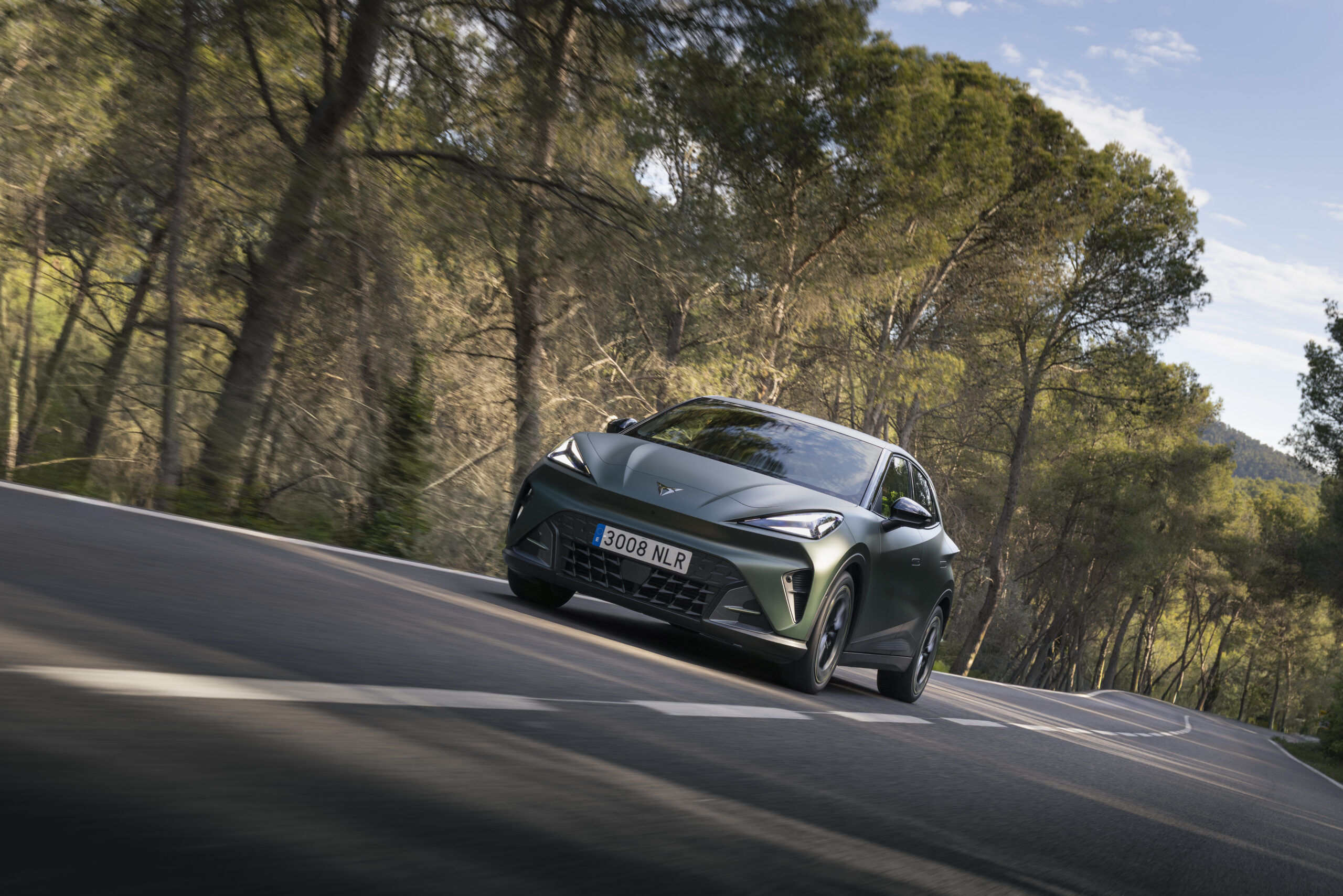
As a result, it took the twists and turns up and down the mountain in stride and overtook struggling cyclists effortlessly.
I can honestly say I had as much fun as I expected I would have had if I had been in my CUPRA Leon.
Ride comfort on 19-inch wheels is firm, but not harsh. You know you are in the sportier version, and it will be interesting to see how it handles the much worse surfaces of our UK roads.
One thing I noticed was when idling at lights. I initially thought a motorbike had pulled up alongside me before realising the sound was coming from my own cabin. In CUPRA mode, there is a synthetic engine sound. It is subtle, and yes, it is fake, but I liked it. A nice touch that made me smile.
There were a couple of software issues on the drive. Firstly, when driving off from the handover, the car complained that the key wasn’t in the car, and it stopped in the road. However, the key was in the car, and after moving the key, it detected it again.
Also, there were a couple of misfires on the collision warning, which I’ve had on my Leon before.
Hopefully the key issue was a one off and perhaps due to the cars being swapped around so much, but I’ll be keeping an eye for this when we have the car for longer in the UK.
Range and Charging
The Raval range is split between 37kWh and 52kWh battery versions.
The 37kWh LFP battery is used in the lower-powered cars, while the 52kWh NMC battery appears in the more powerful versions. CUPRA says the 52kWh versions can charge from 10-80% in around 24 minutes using DC fast charging, while AC charging is up to 11kW.
UK figures vary by version. The V1 52kWh is listed with up to 277 miles of range, the V2 Launch Edition with up to 256 miles, and the VZ Extreme with up to 236 miles.
That spread matters. The most efficient 52kWh cars seem to be the sweet spot for buyers who want decent range without going all-in on the sportiest model. The VZ Extreme is the emotional choice, but it gives up some range for its wider tyres, styling and performance kit.
As a hot-hatch lover, I would personally opt for the VZ every time.
For most urban and suburban drivers, the range should be more than enough. The bigger question will be how close it gets to those figures on UK roads, especially in winter.
Practicality
The Raval is small, but not impractical.
The 443-litre boot is a strong figure for a car in this class, and the cabin feels sensibly packaged. The boot is bigger than my Leon’s, which I still can’t believe. It should work well as a commuter car, a second family car or even a main car for someone who does not regularly need large rear-seat space.
The rear seats are usable rather than generous, but that is expected. The more important point is that the Raval does not feel compromised in the way some small EVs do.
Urban visibility is good, and higher trims bring helpful features such as front and rear parking sensors, rear camera, top-view camera and intelligent park assist.
Trims and Value
The entry-level Origin starts at £23,785 and already includes LED headlights, a 10.25-inch digital cockpit, a 12.9-inch infotainment screen, wireless phone integration, adaptive cruise control, progressive steering, and a five-year/90,000-mile warranty.
The V1 looks like the sensible upgrade, bringing 18-inch wheels, dual-zone climate control, navigation, heated seats, a rear camera, keyless entry, and a digital key. Crucially, it is available with either the 37kWh 135 PS powertrain or the 52kWh 210 PS powertrain.
The V2 adds a more premium feel, with 19-inch wheels, Dinamica bucket seats, electric front seats, multi-colour ambient lighting, interior projections and Sennheiser audio.
The VZ is the driver’s model, featuring that 225 PS powertrain, Dynamic Chassis Control, and an electronic limited-slip differential – these really do make the car seriously fun to drive. This VZ Extreme then takes styling and equipment up a notch, but at £36,310 it becomes a much more considered purchase.
For many buyers, the best-value version may be the V1 52kWh at £29,995 or the V2 52kWh at £32,580. The VZ is the one enthusiasts, and many in our community will want, but the mid-range cars may be where the Raval makes most sense and sells in the biggest numbers.
Conclusion
The VZ proves there is real driving enjoyment here, with sharp responses, great performance and a chassis that feels more playful than most small electric cars. I had a blast and think CUPRA has delivered one of its most exciting cars to date.
The interior feels modern and distinctive, the range is competitive, and the pricing looks promising.
It is not perfect. The sportier versions will not deliver the longest range, and we will need a proper UK road test before we can properly judge ride comfort, efficiency and daily usability. But as a first drive, the Raval makes a very strong impression.
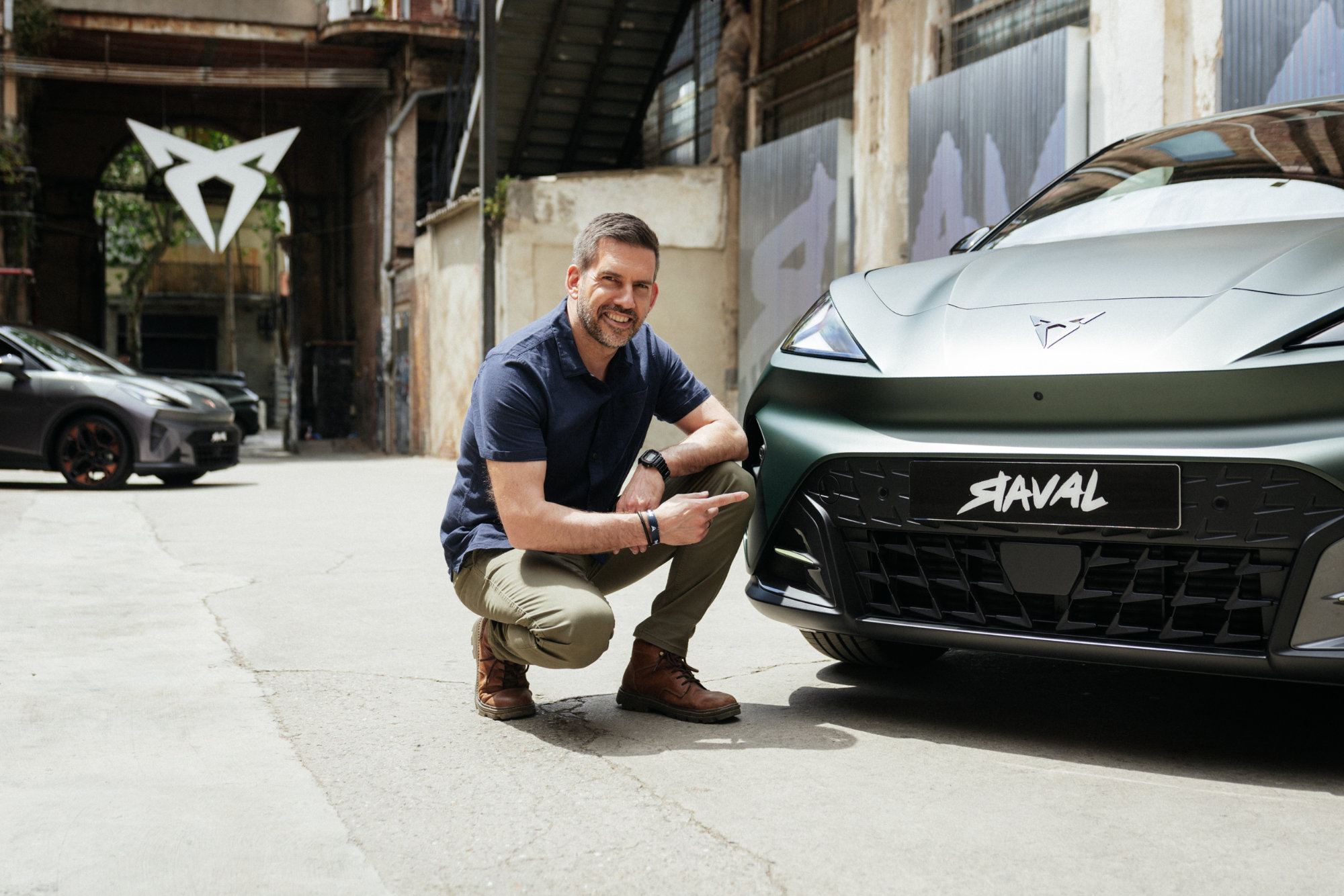
I was sorry to only have a few hours with the car and am looking forward to getting one for a bit longer here in the UK to really put it through its paces and we’ll give you a full video review of that when we get it later in the year.
CUPRA needed its small EV to look good, handle well and stand out.
On this occasion, it really has delivered.
Quick stats of the review car
- CUPRA Raval VZ Extreme UK
- Power: 166kW / 225PS
- Battery: 52kWh
- Range: up to 236 miles / 379km
- Electric consumption: 13.8–16.2kWh/100km
- Wheels: 19-inch ‘REBEL’ machined alloy wheels with Sulphur accents
- Tyres: 235/40 R19 96H XL
- Key chassis features: Dynamic Chassis Control and Electronic Limited Slip Differential
- Key equipment: MATRIX LED headlights, Top View Camera, Intelligent Park Assist, Travel Assist 3.0
- Seats: AHEAD CUP Bucket seats in 3D Knit textile
- UK price: from £36,310 OTR
The figures are listed as indicative and subject to final homologation/approval.
A heat pump will be available as an £800 option from September 2026.
What do you think of the CUPRA Raval? Will you be ordering one? Let us know in the comments below.


 . Probably a bit more solid than the shakey stuff before.




 .
.


