


We loved the CUPRA Raval VZ Extreme when we first drove it on smooth Spanish roads. Now we’ve lived with one for a week in the UK, taken it to Cornwall, rapid-charged it, tested its performance with Dragy, and discovered the little things you only notice after living with a car.
What is it?
The CUPRA Raval VZ Extreme is the range-topping version of CUPRA’s new small electric hatchback.
It uses a 52kWh battery and a front-mounted electric motor producing 225PS and 290Nm of torque, with CUPRA quoting 0–62mph in 6.8 seconds and a WLTP range of 238 miles.
More importantly for those of us who still want our electric cars to be fun, the VZ gets Dynamic Chassis Control and an electronic limited-slip differential to go with that extra performance.
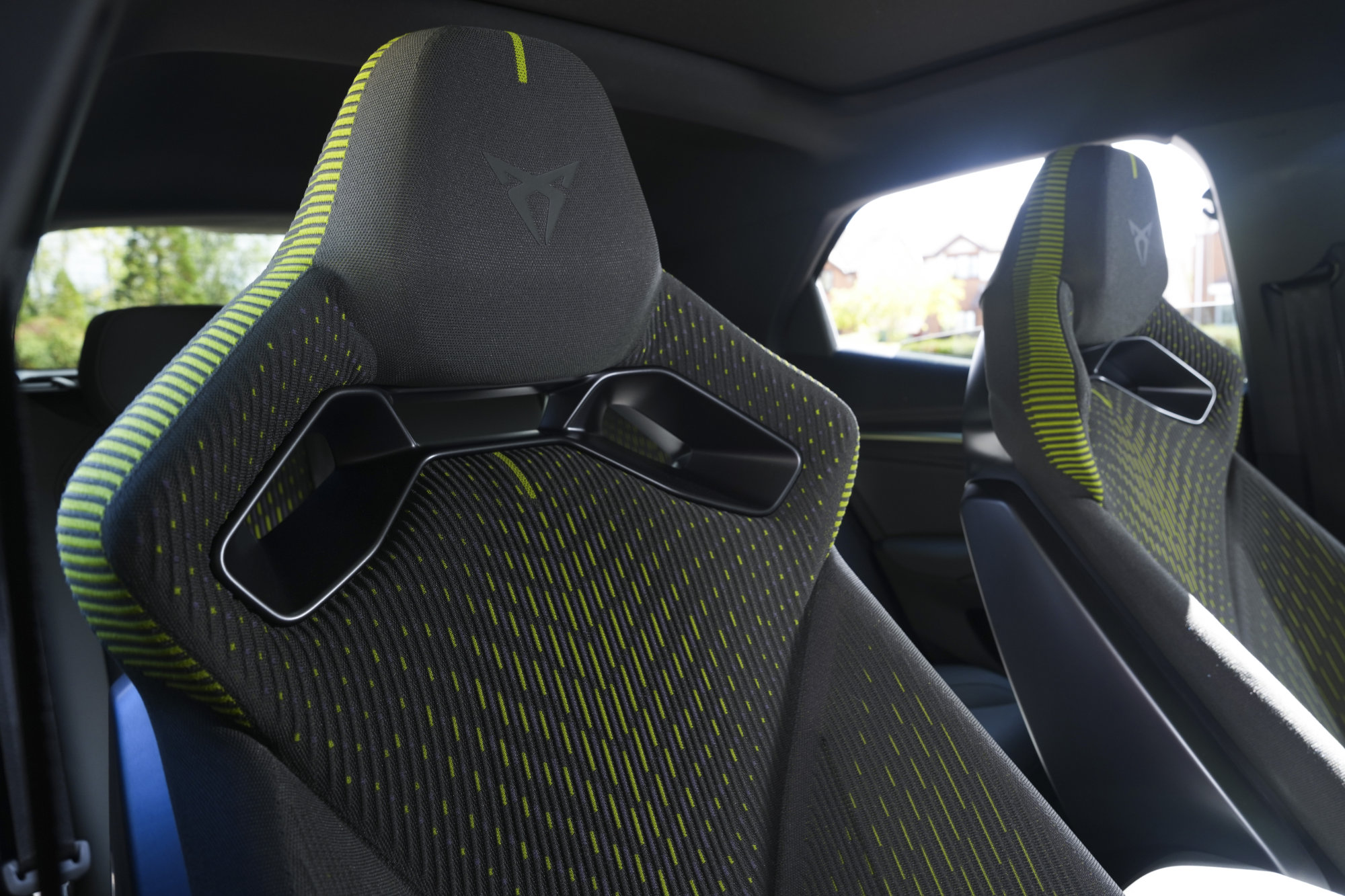
The Extreme doesn’t add any more power over the regular VZ. Instead, it brings the striking 19-inch Rebel Sulphur wheels, AHEAD 3D-knit CUP bucket seats, sulphur styling details and extra parking technology.
Our Manganese Green Matte test car also had the panoramic sunroof and including the (now) optional second physical key, taking the price as tested to £37,080.
We drove the Raval VZ Extreme in Spain earlier this year and called it a proper hot-hatch firecracker.
The question this time was simple: would we feel the same after a week with it on UK roads?
Verdict
The Raval VZ Extreme is one of the most entertaining electric cars CUPRA has produced. It’s quick, agile and genuinely fun to drive, while also being surprisingly spacious and practical for such a small car. There are still some software quirks and the 238-mile range won’t suit everyone, but they’re minor complaints in an otherwise excellent package. A week on UK roads hasn’t changed our view from Spain: The Raval is still a proper electric hot-hatch firecracker.
What we liked
- Brilliant to drive
- Strong performance
- Huge 441-litre boot
- Distinctive design
What we didn’t like
- Software still buggy
- Voice assistant can be intrusive
- Some motorway wind noise
- Driving position could be lower
Video review
Exterior
The Raval might be CUPRA’s smallest model, but it’s anything but timid in its looks. At just 4,046mm long, it is genuinely compact, yet the combination of sharp creases, sculpted panels and clever use of shadows gives it a much more muscular appearance.
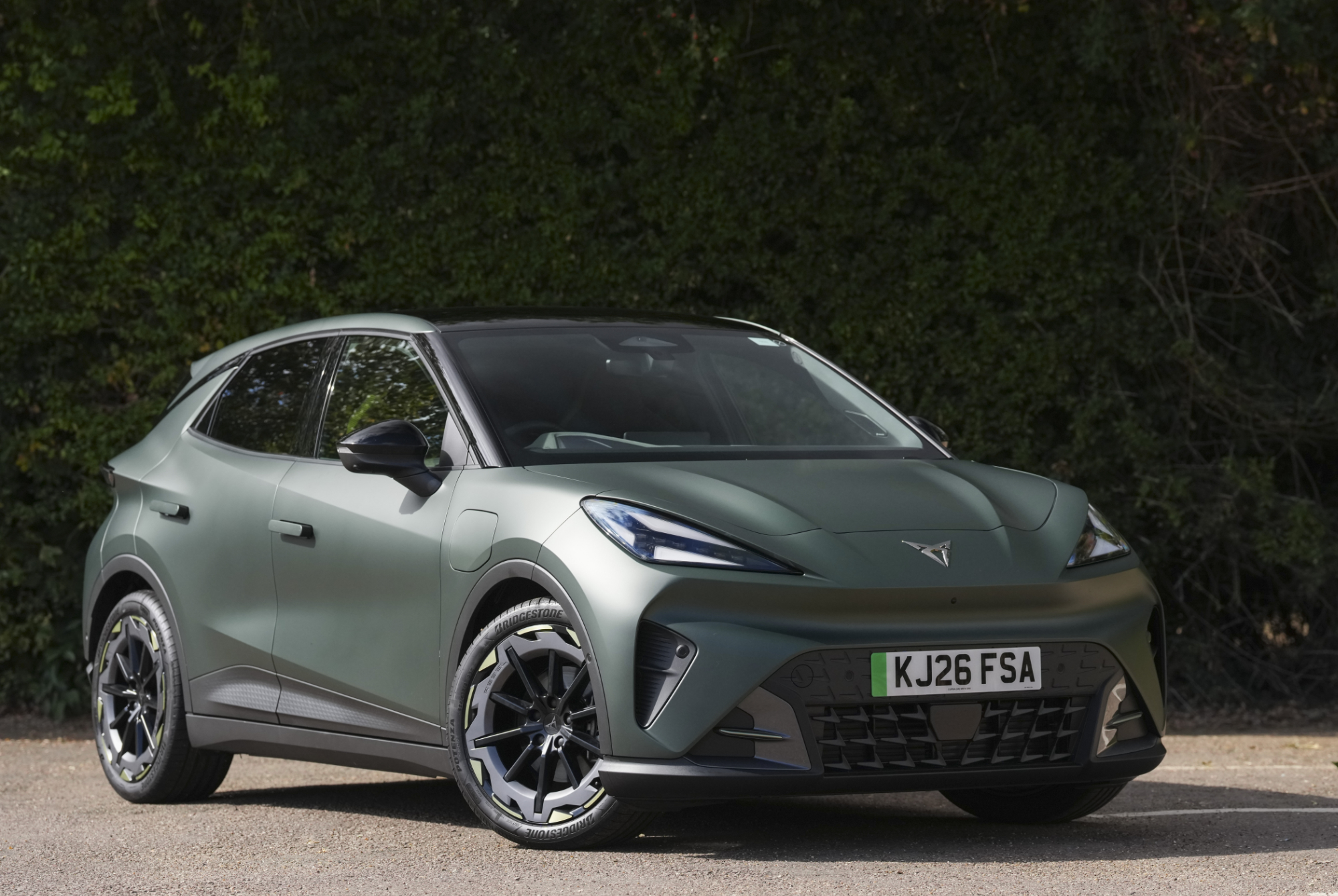
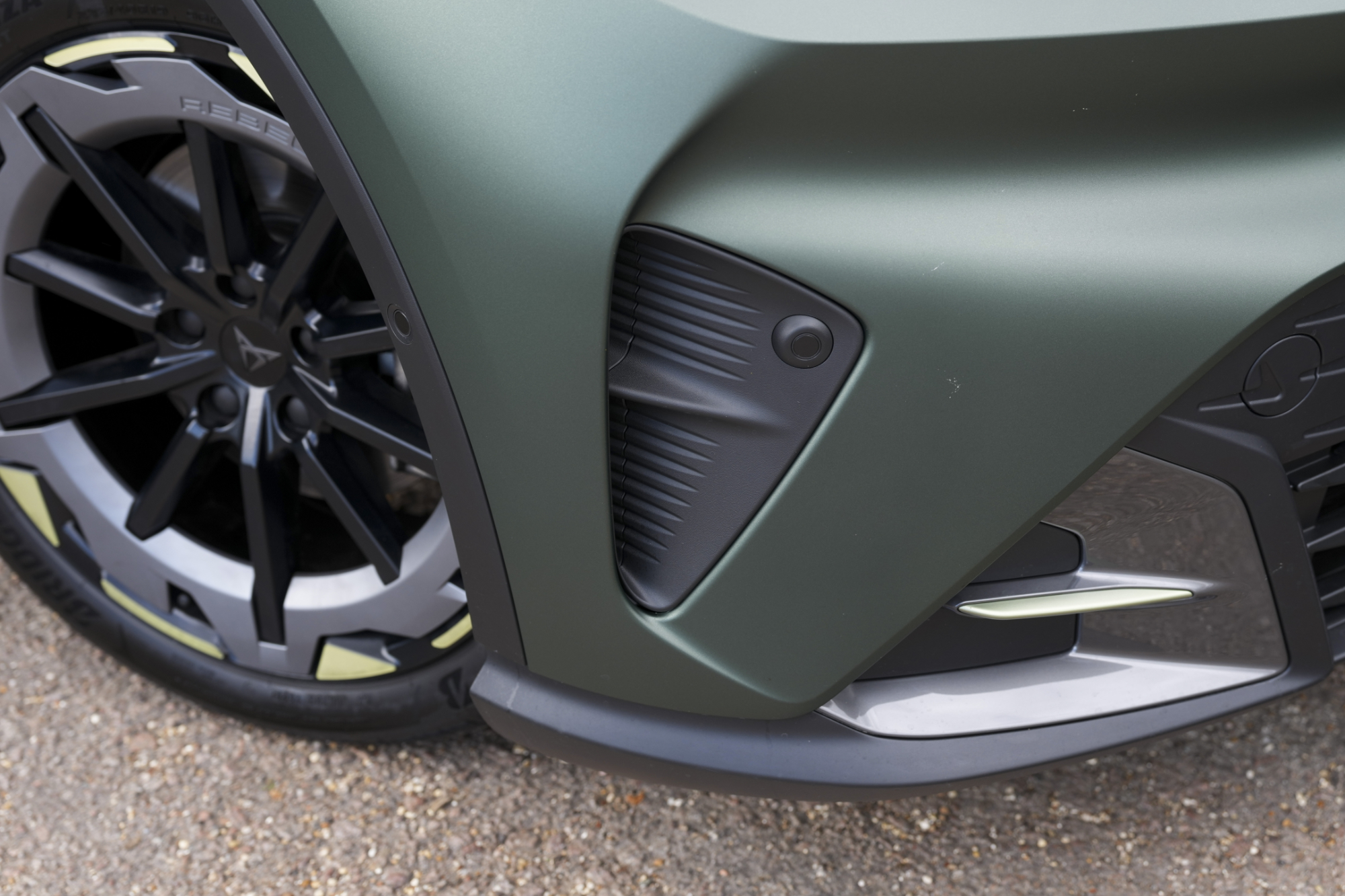
At the front, the familiar CUPRA triangular light signatures, a sharp nose and two prominent lines run down the bonnet towards the dark chrome CUPRA badge. Look more closely along the side, and there is quite a lot going on. One character line runs from the front of the car toward the rear before kicking up, while another disappears partway along the doors. The doors themselves curve in and back out again, creating another shadow line beneath them. It sounds complicated on paper, but it works, giving the Raval a hunched, aggressive look rather than simply a small, upright EV.
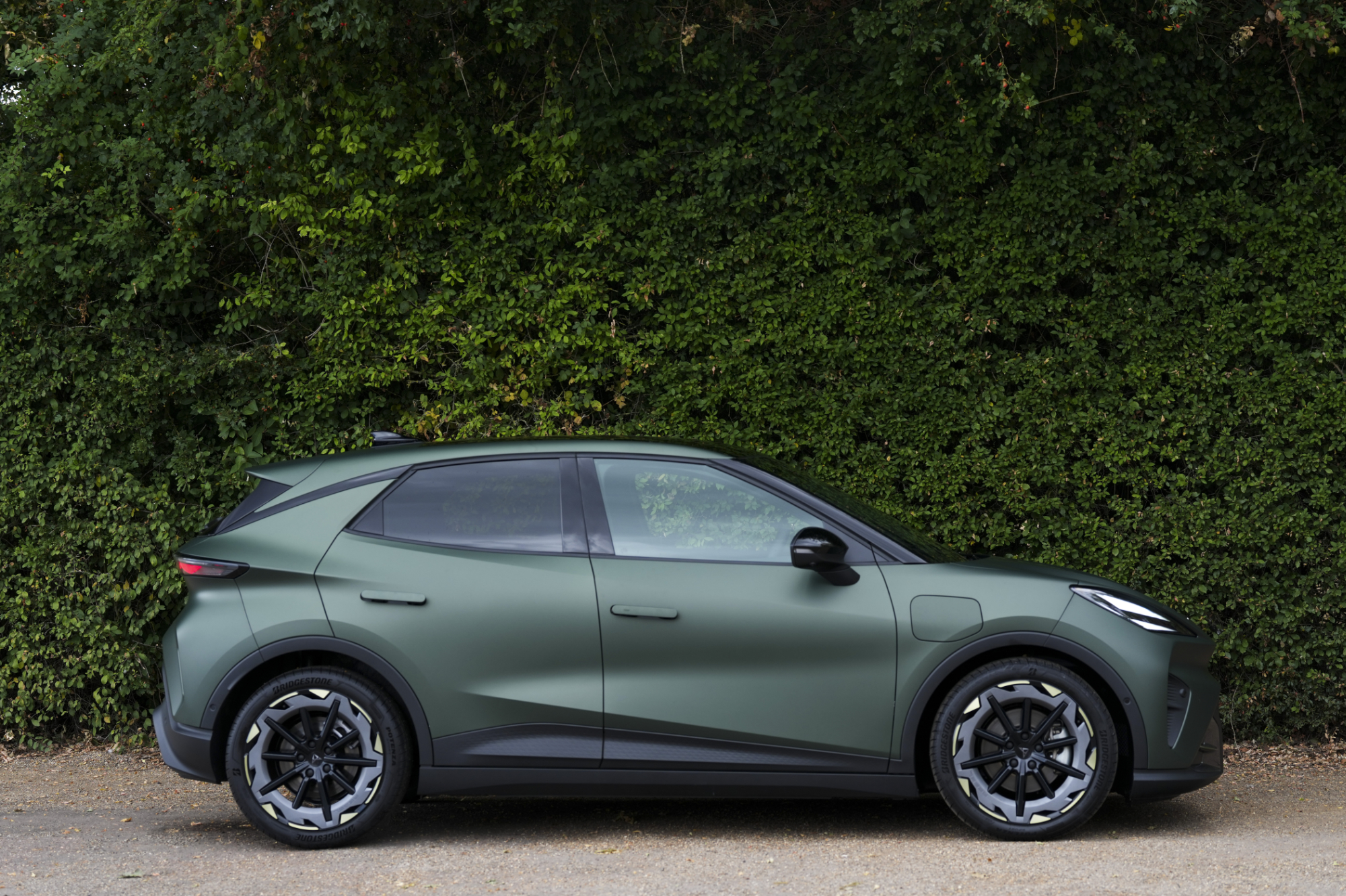
Our VZ Extreme gets the 19-inch Rebel Sulphur wheels, with even the word ‘Rebel’ moulded into the trim. They’re fitted with 235/40 R19 Bridgestone Potenza performance tyres, while the wheels combine matte-black sections with sulphur detailing. I like them, although I think CUPRA missed an opportunity with the ordinary silver brake callipers. A matching sulphur or green finish would have suited the Extreme.
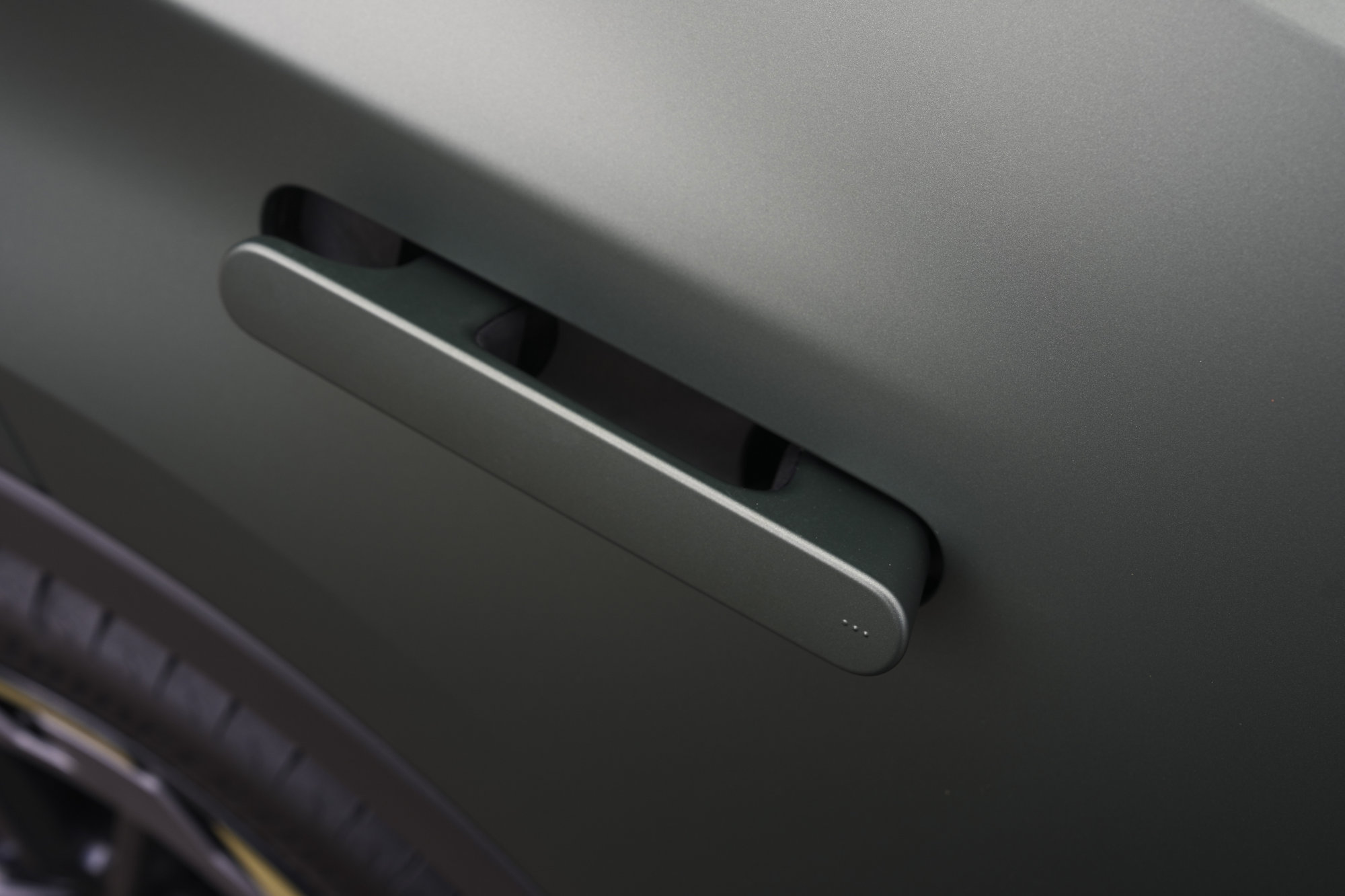
The flush door handles can automatically present themselves as you approach the car and retract again when it is locked. Importantly, CUPRA has also incorporated a mechanical way of opening the doors should the electrical system fail.
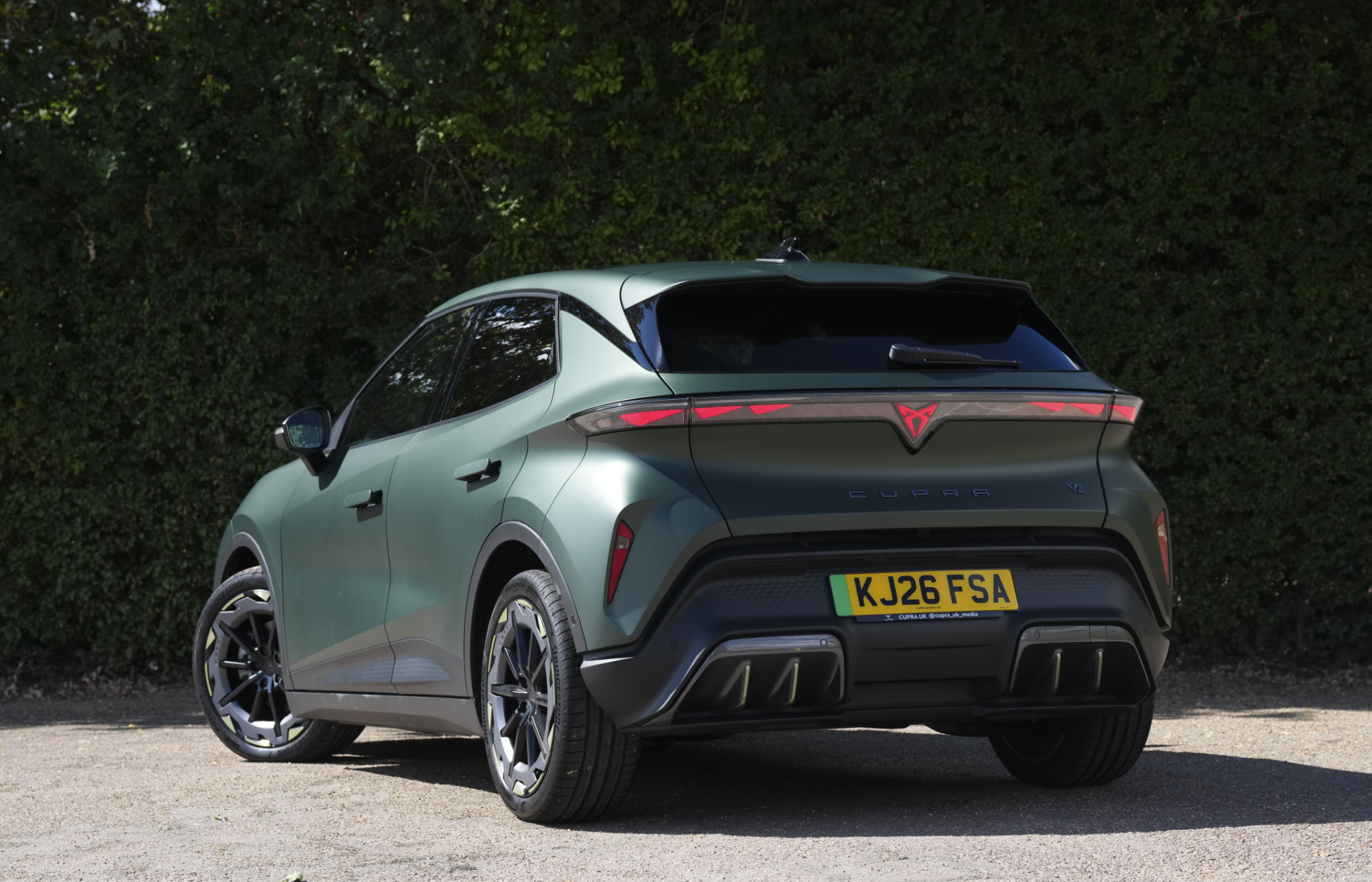
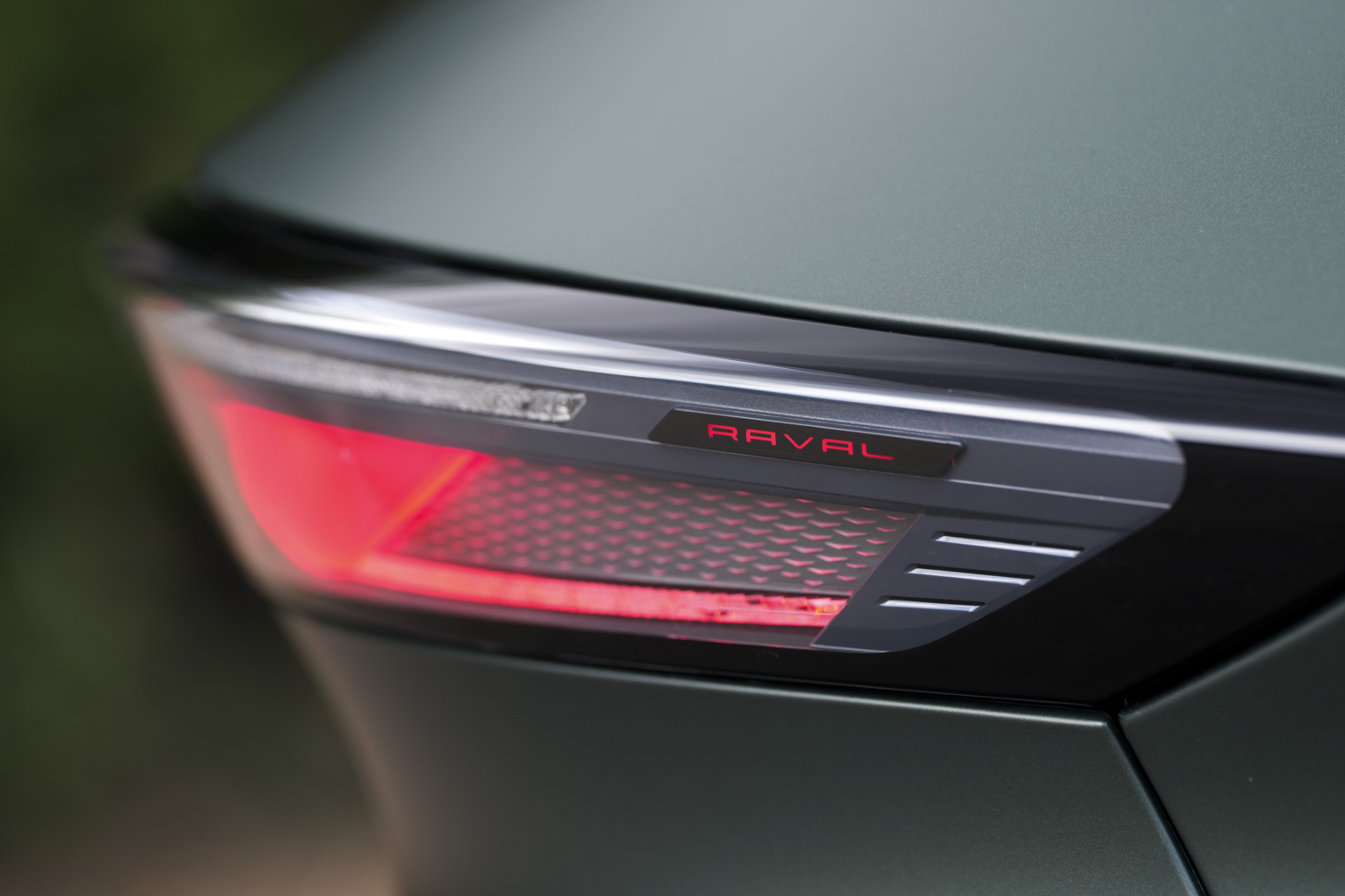
The back remains my favourite angle, with a substantial roof spoiler, full-width lighting, illuminated CUPRA branding and two deep diffuser sections. Some of those fins are actually bigger than those on the Formentor VZ5 we recently reviewed. The design details work together particularly well here, right down to the sharp overhang above the rear light bar mirroring the nose at the front.
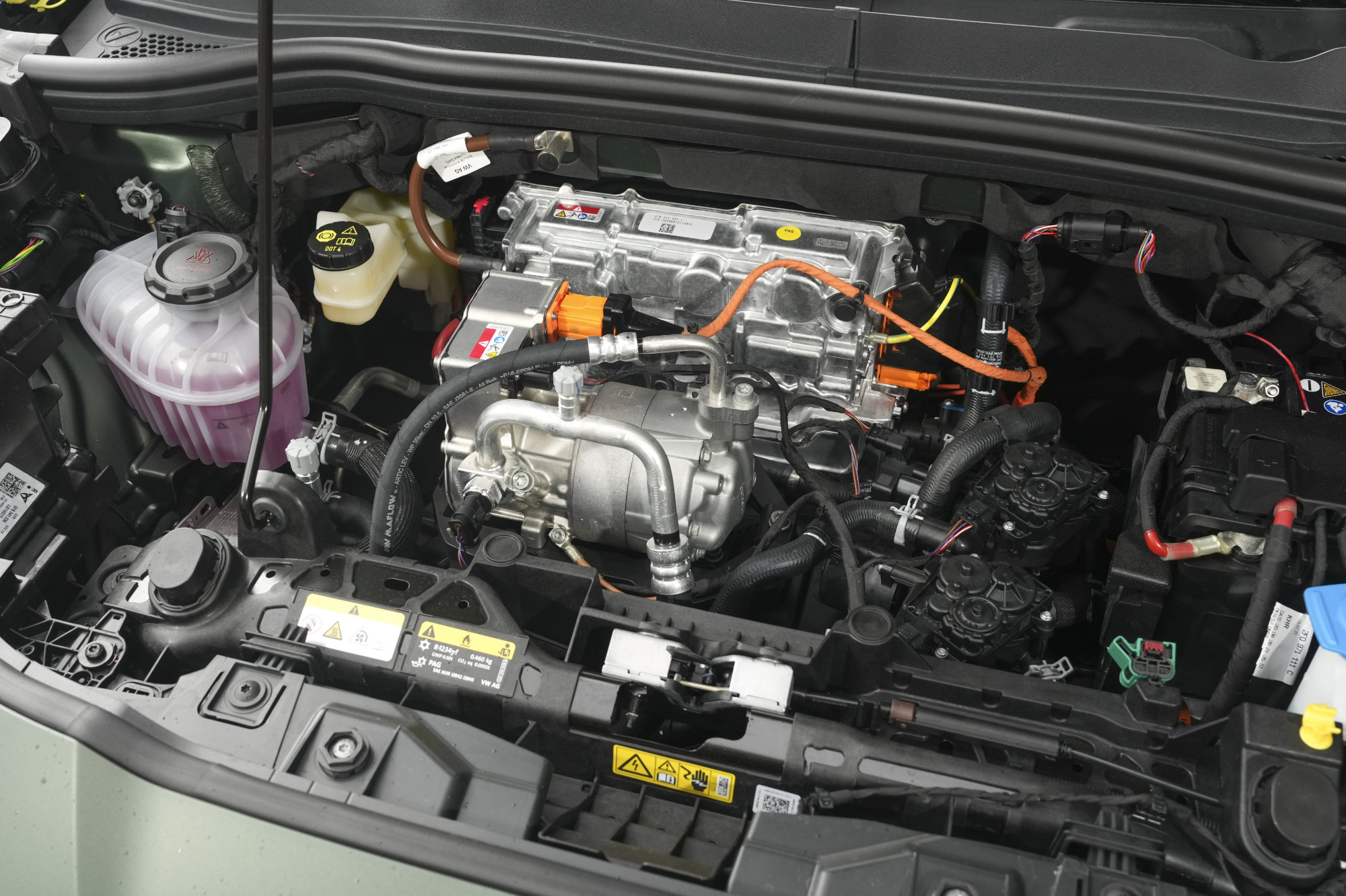
There’s no front boot under the bonnet, but I’m not particularly bothered by that because of what CUPRA has managed at the other end.
Boot and practicality
The Raval has a 441-litre boot. For some context, my CUPRA Leon hatchback has 380 litres, which is pretty extraordinary given the difference in external size.
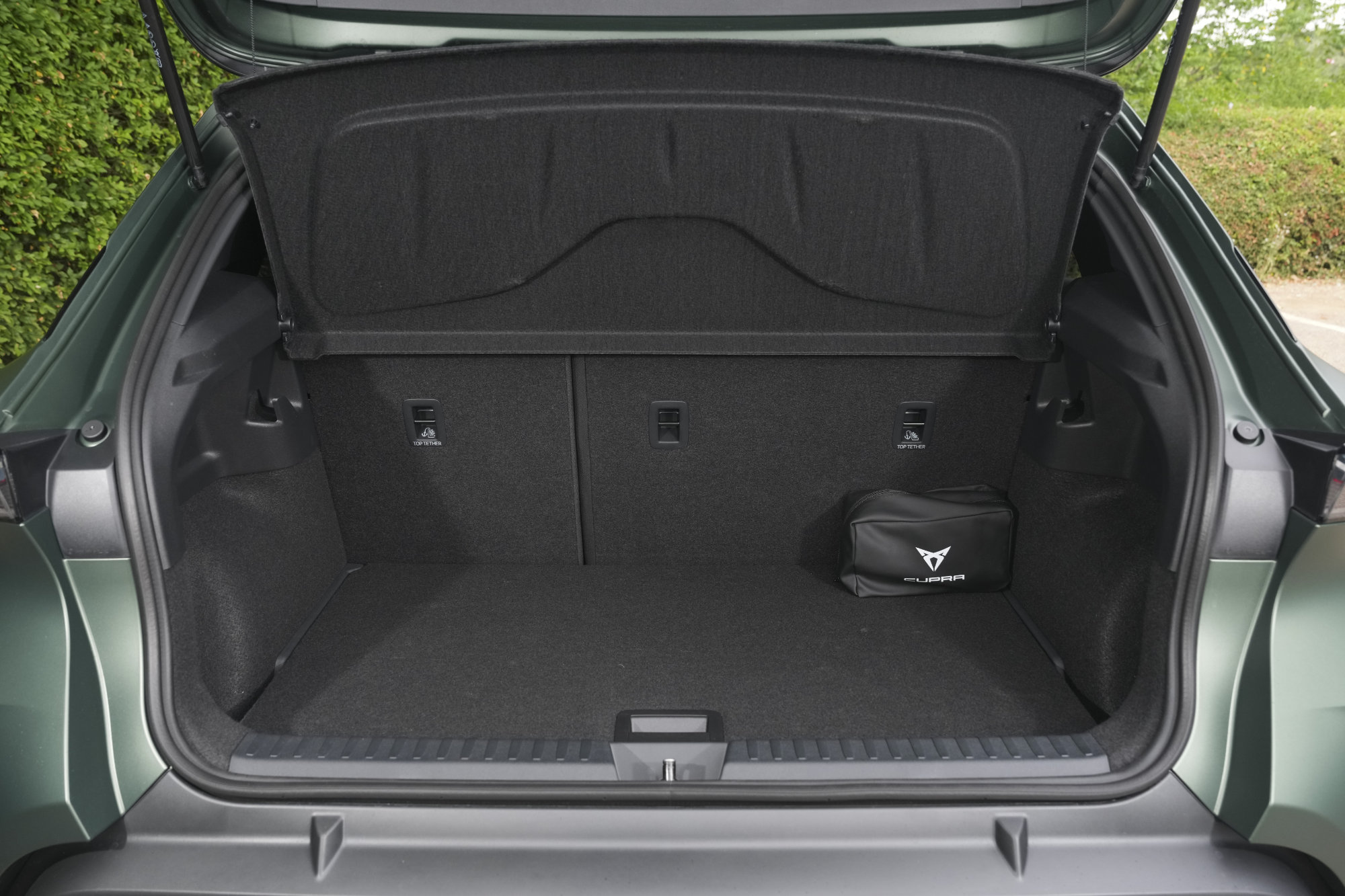
The boot floor can sit in two positions. Keep it low for huge usable depth, or raise it for a flatter loading area. Underneath, there is more space for the charging cable and other bits, along with the subwoofer and CUPRA mobility kit. For shopping, weekend trips, or everyday life, it offers a surprising amount of room.
Interior
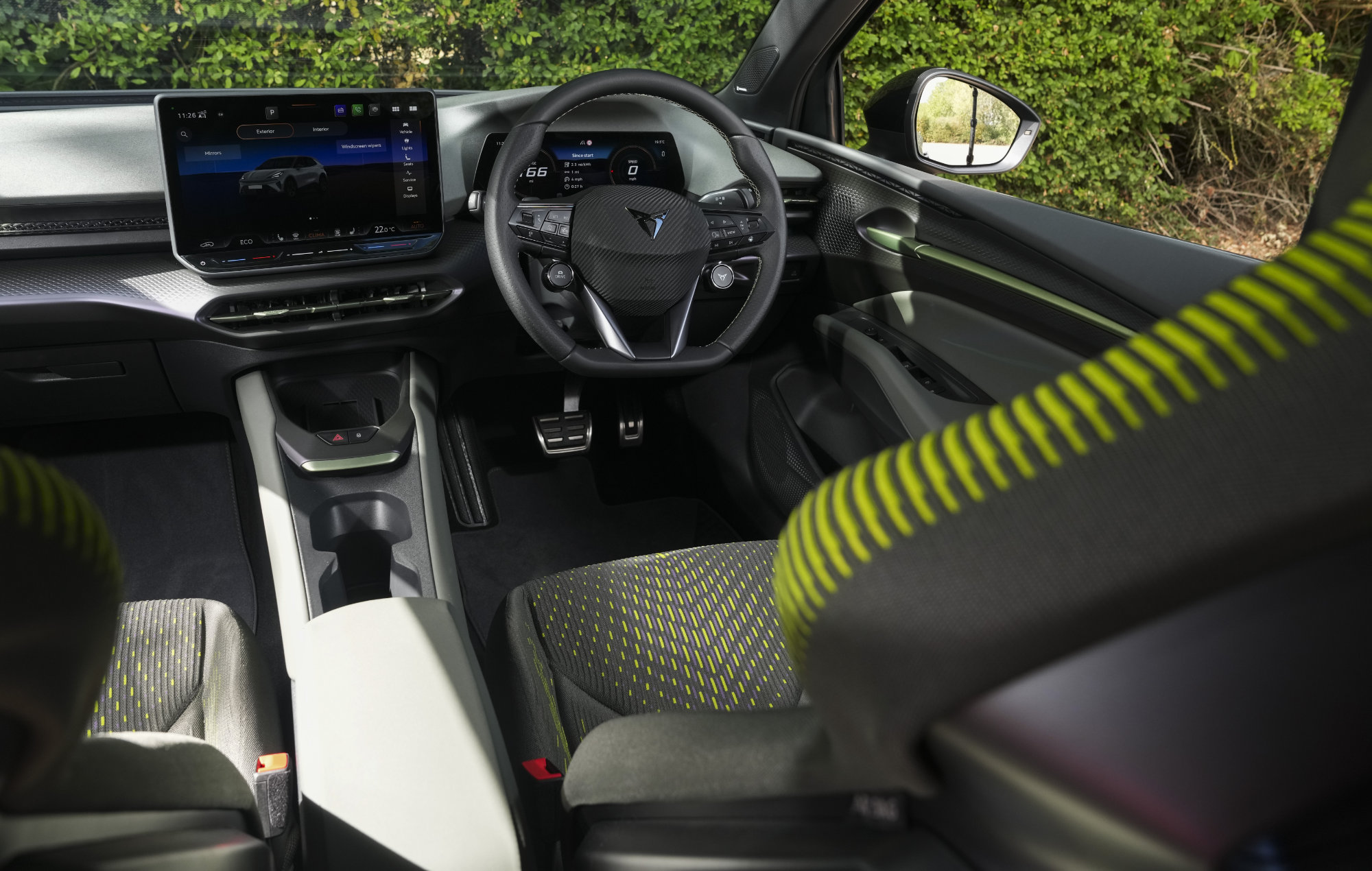
The same goes for the front of the cabin. You don’t feel like you’re sitting in such a small car. I’m 5ft 10in and have loads of legroom; the seat can move considerably further back and there is plenty of space around the driver. It isn’t quite Leon-sized inside, but it isn’t far off.
Things inevitably get tighter in the back. Sitting behind my own driving position leaves about an inch between my knees and the seat in front, though the bucket seats curve in toward the bottom, giving a bit more knee room. As with many EVs, the battery under the floor means your knees sit slightly higher than in an equivalent petrol car.
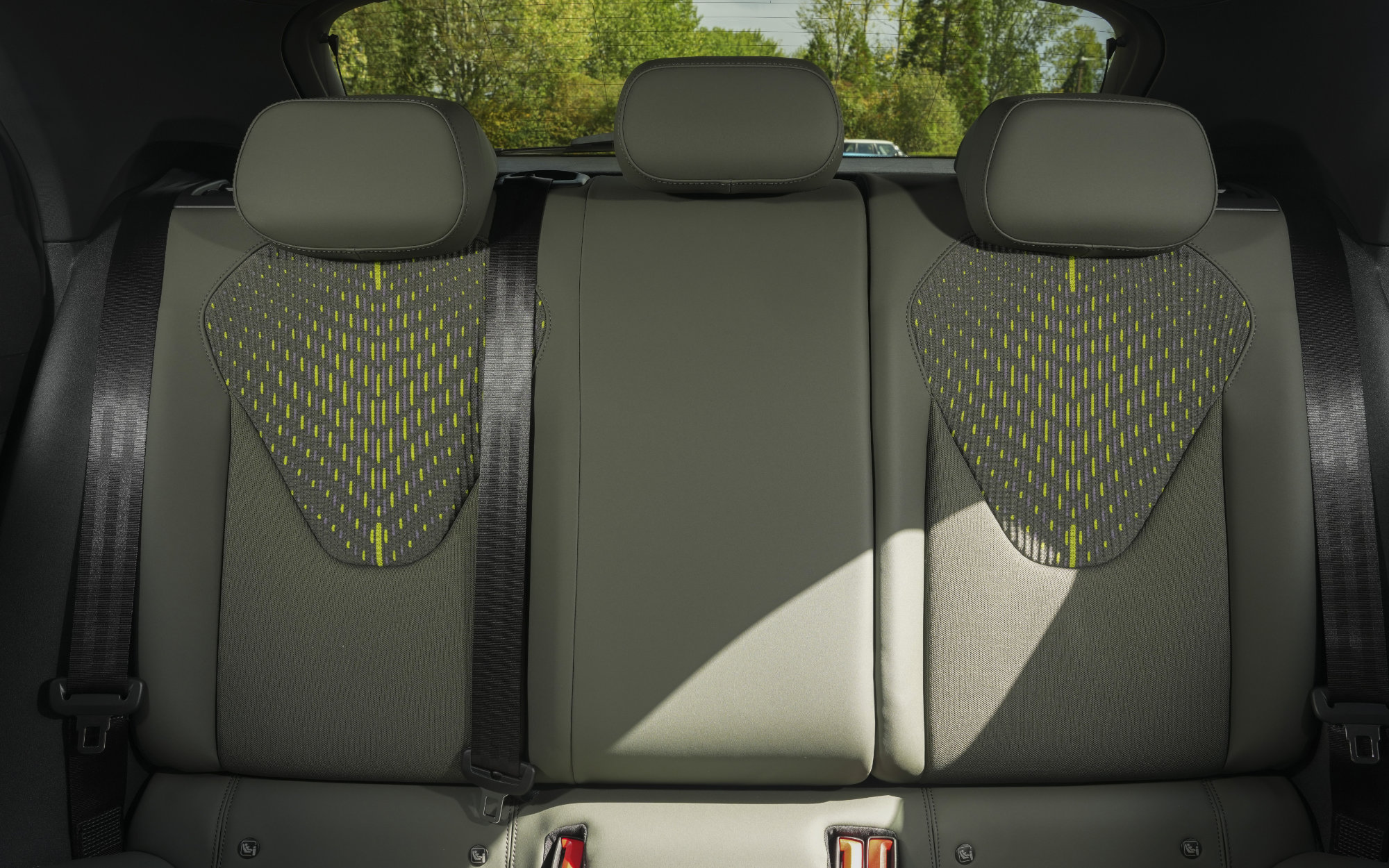
Headroom is better, with a couple of inches above me. Someone much over six feet sitting behind a taller driver may find things cramped, but for a small car it’s perfectly respectable.
The VZ Extreme’s AHEAD CUP bucket seats are among the interior’s stars. They use a distinctive 3D-knit material and provide plenty of support without becoming uncomfortable on longer drives. The rest of the front cabin does the same for the Raval, making it feel like a much bigger car, with plenty of space around you and everything you regularly need within easy reach.
And thankfully, the steering wheel has physical buttons. CUPRA calls this out as one of the car’s features in the press pack, which suggests it knows the previous haptic-button experiment wasn’t universally loved – which, of course, we know is an understatement!
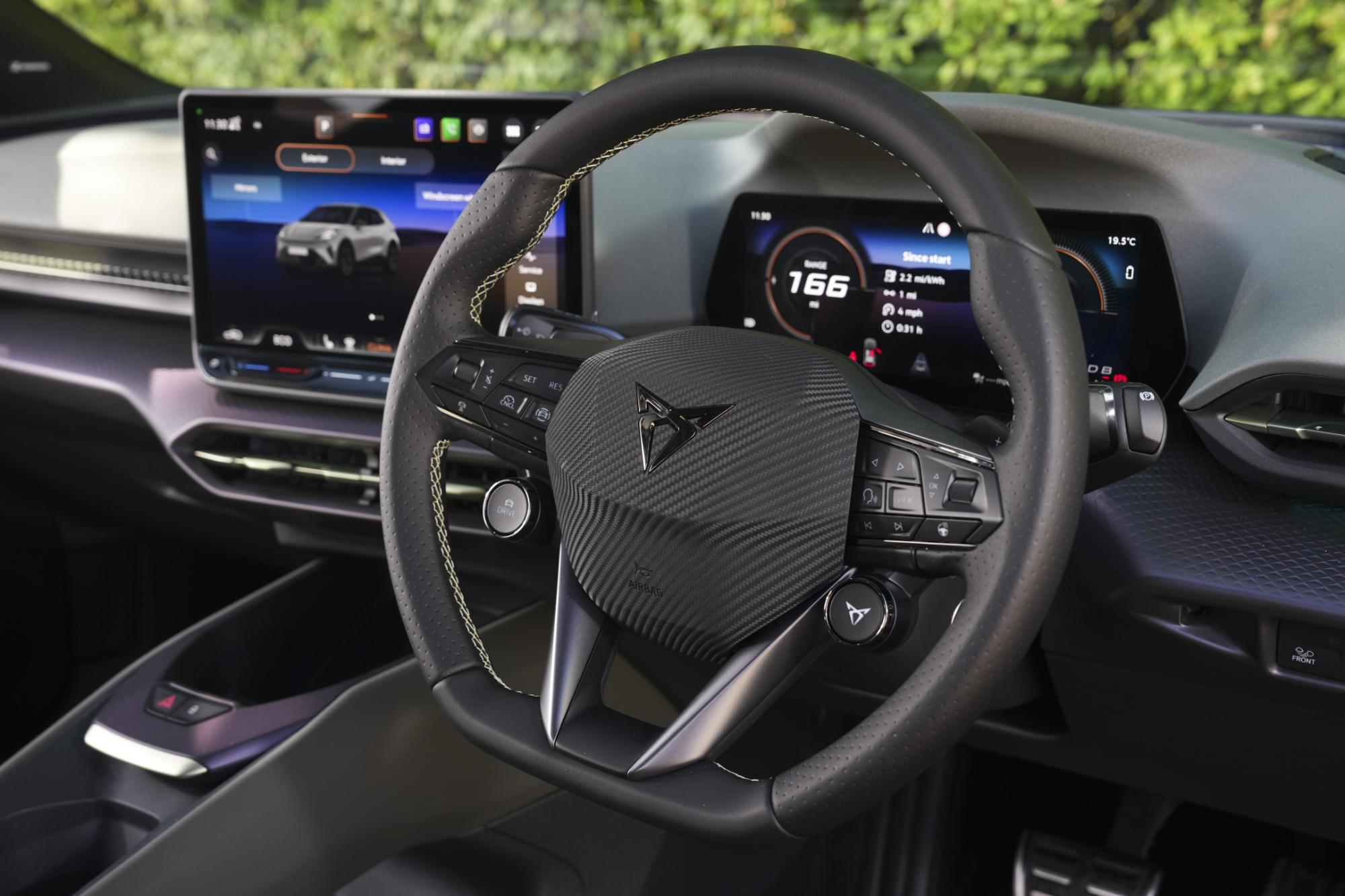
A dedicated CUPRA button on the wheel lets you jump straight into CUPRA mode, alongside the usual drive-mode controls. Ahead of you is the 10.25-inch digital cockpit, which is clear and offers several different layouts.
The main 12.9-inch infotainment display runs Android Automotive and looks excellent overall. It’s sharp and responsive and feels significantly more modern than older Volkswagen Group systems, but it isn’t completely polished yet. One strange decision is the size of some of the shortcut controls when you pull down the menu. For example, the speed warning toggle is tiny compared with the equivalent controls in my Leon.
The voice assistant can also be too enthusiastic. During filming, it actually interrupted me while I was explaining that it has a habit of interrupting when nobody has spoken to it. You couldn’t really script that.
When using Android Auto, you can also end up with CUPRA’s voice assistant and Gemini competing with each other. I’ve experienced occasional audio drop-outs while using Android Auto too, and I’ve now had this happen with more than one phone, so it certainly doesn’t appear to be handset-specific. These are software irritations rather than fundamental interior problems, but CUPRA still has work to do.
Phone storage and charging
There are some clever ideas around the centre console. The upper shelf has a wireless charging mat, but CUPRA also provides a separate slot that lets you stand a phone upright if you don’t want it charging. That’s useful, although during harder acceleration and braking the phone can rock backwards and forwards. Not that anyone buying a VZ would ever accelerate hard, I’m sure! 😉
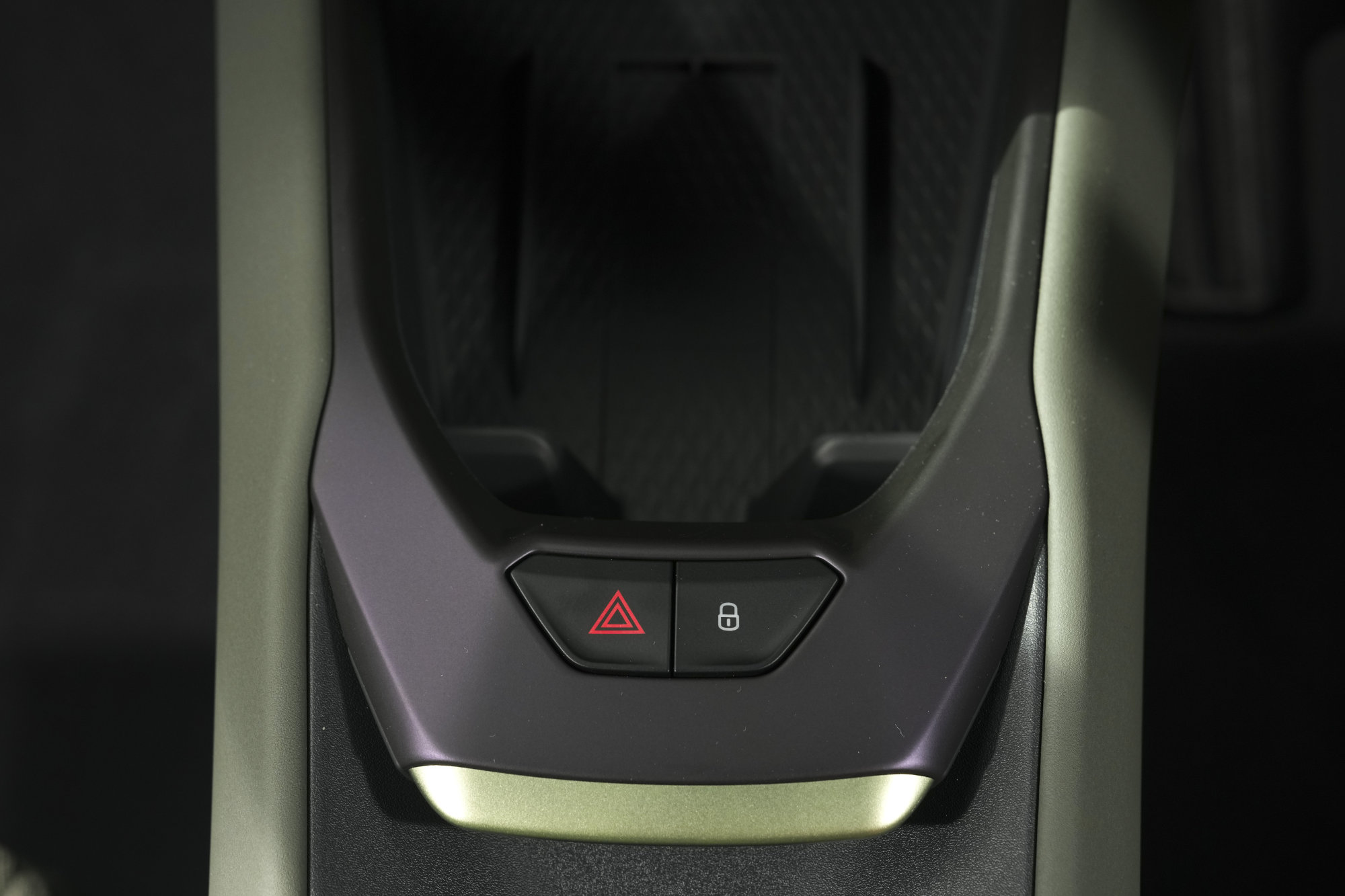
The USB-C ports themselves are positioned on a lower tray. I generally prefer a wired Android Auto connection because I find it more reliable and it can offer better audio quality, so at first I found myself fumbling underneath to plug the phone in.
Eventually, I discovered CUPRA included a small, rubber-lined hole that lets the cable feed through from the lower tray to the upper phone area. That’s clever and makes considerably more sense once you find it, although I would still rather have the USB-C sockets up near the phone tray, as they are in my Leon.
The little things you discover after a week
You simply won’t notice some things during a short press launch. The first is the indicator. Like the Born, it’s loud, and I’m not entirely sure why CUPRA seems to have given some of its quietest cars its loudest indicators.
Then there are the mats. Instead of the usual black, CUPRA has gone for grey CUPRA-branded mats in the Raval. They look smart when they’re spotless, but ours were already looking dirty after a week. For something designed to have muddy shoes placed on it, grey probably wouldn’t have been my first choice.
My favourite oddity, however, is what happens when you get out. In my Leon and CUPRA’s petrol models, opening the driver’s door stops whatever you’re listening to. Not in the Raval. Open the door and the music keeps playing until you physically lift yourself off the seat. The Born does the same thing.
So if you’re secretly listening to Phil Collins, everyone in the car park gets to enjoy it too until you either turn the music off first or coordinate opening the door with lifting yourself out of the seat. Why? I’ve genuinely no idea.
Range and charging
The official WLTP range for the VZ Extreme is 238 miles. During our week with the car we had a good opportunity to put that into some real-world context with a trip to Cornwall.
We left with around 80% charge. Using the official figure, that theoretically gives you around 190 miles, while our journey was approximately 135 miles. We were enjoying the car where appropriate, which meant the right foot wasn’t always particularly restrained.
We arrived with around 20 miles of indicated range remaining. I’ll admit that as it got down towards that figure we did start getting a little range anxiety, so I switched into Range mode for the last section of the journey.
Fortunately, there was a rapid charger in the village where we were staying. We plugged in, went for a wander and around 25 minutes later the battery was back at roughly 80%. That cost approximately £30.
For me, that sums up the VZ Extreme’s range pretty well. This isn’t really intended to be a long-range motorway cruiser; it’s a compact performance-focused EV. A 135-mile trip was perfectly achievable, rapid charging fitted easily into the journey and we could then drive home later in the weekend. Your own results will obviously depend heavily on temperature, road type and how enthusiastically you’re using those 225 horses.
On the road
This is the bit I was most interested in. I already knew how good the Raval felt on smooth Spanish roads, but would I still like it after a week in Britain? Absolutely.
The car always starts in Comfort mode, but one press of the CUPRA button wakes everything up. The suspension firms, the steering gains some weight and CUPRA’s synthetic performance sound becomes more prominent. It’s obviously artificial, but rather than trying to impersonate a petrol engine it sounds more like a spaceship – and I rather like it.
The ride also works far better on UK roads than I feared it might. Even in CUPRA mode it isn’t harsh. You feel what’s happening underneath you and there is a little movement over rougher surfaces, but I actually enjoyed that sense of connection.
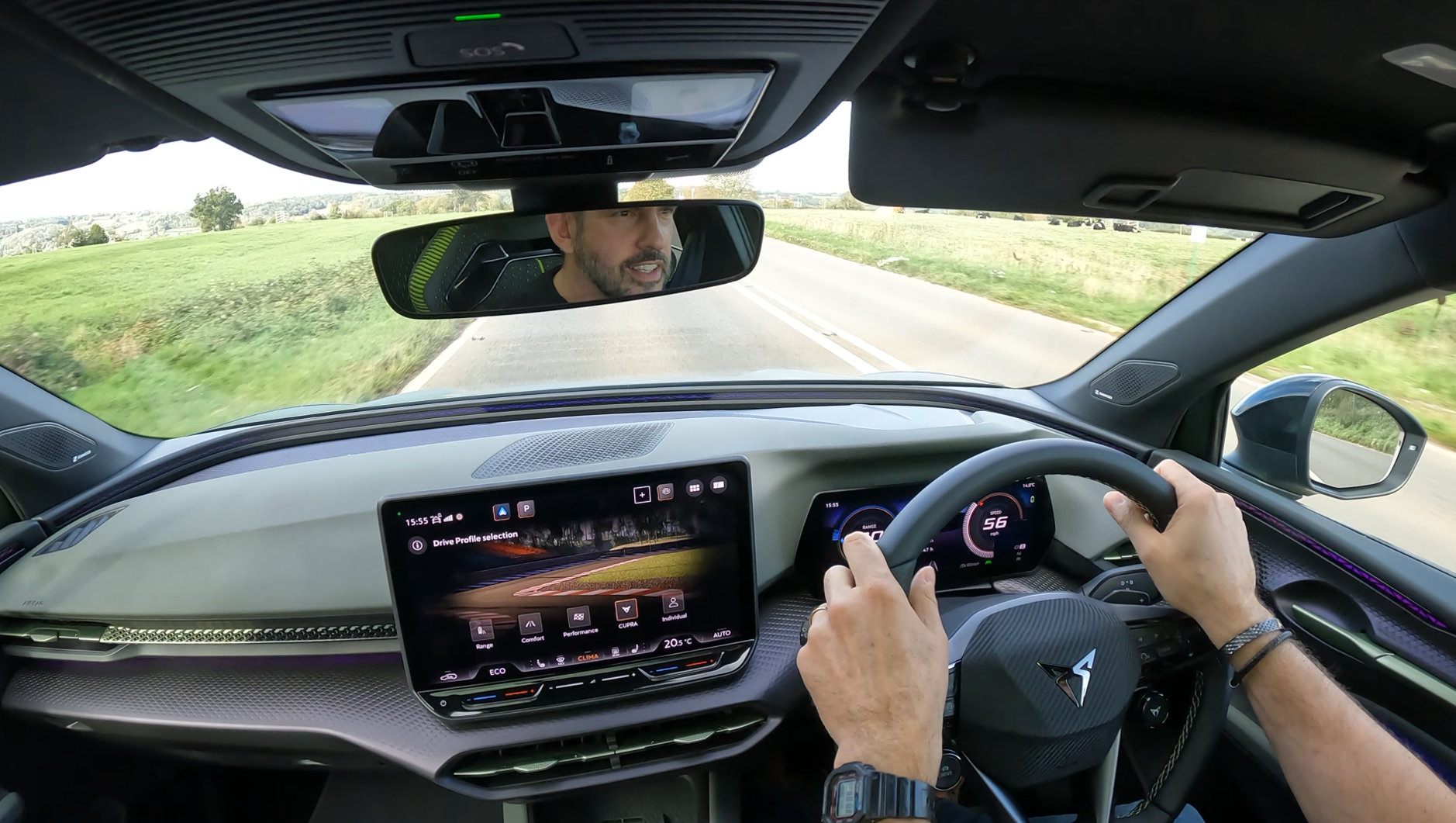
Point it at a sequence of bends and the car comes alive. Turn-in is excellent and you can confidently chuck it around. The electronic limited-slip differential helps put the power down and the chassis gives you the confidence to keep feeding the throttle in as you come out of a corner. This is where the Raval separates itself from many small electric cars: it genuinely wants to play.
The 225PS is plenty. There are EVs with significantly more power, but I’m not convinced this needs it. There’s plenty of performance for overtaking and the instant electric response means there is always a surge available when you need it. That said, I wouldn’t object if CUPRA decided to squeeze the Born VZ’s 326PS into one in the future. That would be ridiculous – in a good way.
I’ve also become a convert to using the stronger regenerative braking setting. Set it to level two and you can cover huge stretches of road without touching the brake pedal, while the paddles behind the steering wheel let you alter the amount of regeneration without diving into the infotainment system.
At motorway speeds there is a little wind noise around the mirrors, but overall refinement is good. My main criticism from Spain remains the driving position. I’d still like the seat – and ideally the whole car – a little lower. Getting back into my Leon reminds me that I prefer sitting closer to the road in a sporty hatchback, but it certainly doesn’t spoil the experience.
This remains a proper little firecracker.
Performance and Dragy test
CUPRA officially quotes 0–62mph in 6.8 seconds. We wanted to see what it would actually do, so we strapped in the Dragy.
Our adjusted equivalent result was around 6.5 seconds to 62mph, around three-tenths quicker than the official figure. It isn’t the dramatic difference we found when testing the Formentor VZ5, but it’s another example of a CUPRA performing slightly better than the manufacturer’s own claim.
More importantly, it explains why the Raval feels as quick as it does. Six-and-a-half seconds doesn’t sound outrageous in a world of extremely powerful EVs, but in a compact car like this there’s a real sense of urgency. It doesn’t need 500PS to be entertaining.
Interior lighting and launch control
At night the Raval becomes an even more interesting place to be. Ambient lighting runs across the dashboard, while projectors illuminate the front door cards with animated patterns. There are several different themes including Core, Liquid, Plasma, Electrified and Magnetic.
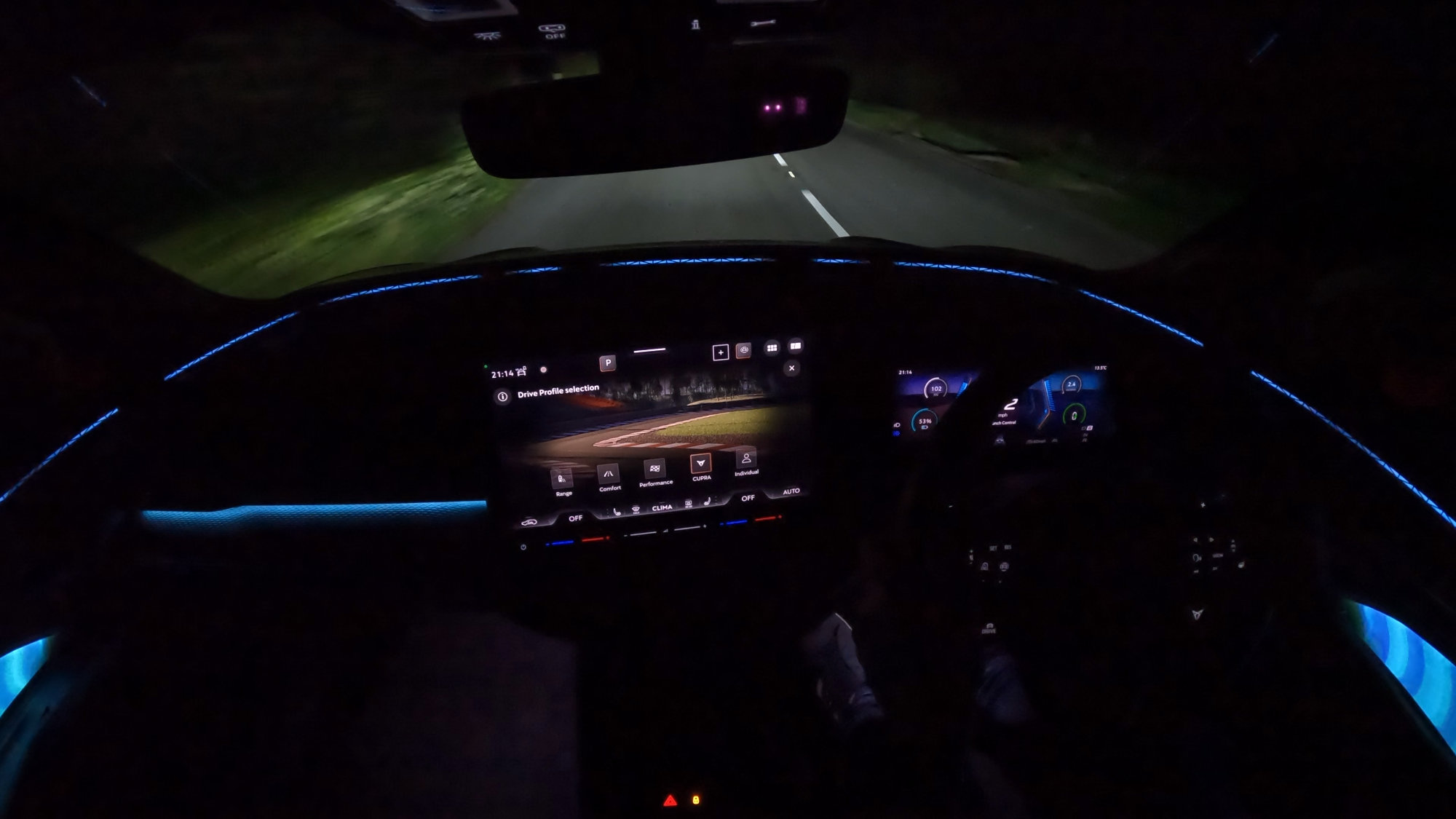
The SmartLight running across the top of the dashboard isn’t just decorative either. It can display useful information such as navigation instructions and parking warnings.
Then you try launch control. Put the Raval into CUPRA mode, hold the brake and accelerator and the theatre begins. The seatbelts tighten, the interior lighting changes and then the seat itself starts shaking through clever use of the driver motor. I genuinely wasn’t expecting that the first time.
Release the brake and off you go, accompanied by the synthetic spaceship soundtrack, before the belts loosen again as you reach speed.
Completely necessary? No. Fun? Absolutely.
It feels like a mini spaceship, and that’s precisely the sort of personality electric performance cars need.
Summary
After driving the Raval in Spain I called it a firecracker. A week in the UK hasn’t changed that opinion. If anything, I’m more impressed.
The big question mark was whether that lovely chassis would still work when you took it away from carefully selected Spanish roads and introduced it to the lumps, bumps and general chaos of British tarmac. It does. Performance is excellent, the handling is brilliant and you can genuinely throw the car around in a way many EVs simply don’t encourage.
The space is equally impressive. You would never guess from sitting in the front or loading that enormous boot that this is CUPRA’s smallest car.
There are frustrations. Android Automotive needs more refinement, the voice assistant needs to stop joining conversations it hasn’t been invited to and I’d like those occasional Android Auto audio drop-outs resolved. The continued music when you open the door is bizarre, the grey mats aren’t particularly practical and some people will want more than 238 miles from an EV at this price.
But they’re relatively minor complaints in what is otherwise a very accomplished package. The most important thing about the Raval VZ Extreme is that CUPRA hasn’t forgotten to make it entertaining.
It’s a proper electric go-kart.
Would I buy one?
Yes. If I were looking for a small electric car and driving enjoyment mattered, the Raval would be right at the top of my list.
The VZ Extreme is the most visually distinctive version, although it’s worth remembering that the regular VZ gives you the same 225PS, DCC and electronic limited-slip differential. So I’d certainly look carefully at both before signing an order.
Would I swap my 300PS Leon for one? I’m still a petrolhead at heart and I love sitting lower in the Leon, so I’m not quite ready to do that. But the fact that a 225PS electric hatchback this size can make me even consider the question tells you just how good the Raval is.
Stats from the review (as tested)
- Model: CUPRA Raval VZ Extreme 52kWh 225PS
- Exterior colour: Manganese Green Matte
- Interior: AHEAD CUP bucket seats
- Battery: 52kWh lithium-ion
- Power: 225PS / 165kW
- Torque: 290Nm
- Drive: Front-wheel drive
- Official 0–62mph: 6.8 seconds
- Our Dragy-adjusted 0–62mph: approximately 6.5 seconds
- Top speed: 109mph
- WLTP consumption: 13.8–16.2kWh/100km
- WLTP range: 238 miles
- AC charging: 11kW, 0–100% in 5 hours 30 minutes
- DC charging: up to 135kW
- DC charging 10–80%: 24 minutes
- Length: 4,046mm
- Width: 1,784mm
- Height: 1,514mm
- Wheelbase: 2,599mm
- Boot: 441 litres
- Seats: 5
- Kerb weight: 1,615kg
- VZ Extreme OTR price: £34,810
- Manganese Green Matte: £1,600
- Panoramic sunroof: £580
- Second physical key: £90
- Price as tested: £37,080
Check out our CUPRA Raval Buyer’s Guide
Visit our CUPRA Raval Owner’s forum
Want more range in your Raval? Check out our CUPRA Raval V2 Launch Edition review


