


What is it?
This is the updated SEAT Ibiza FR Sport, powered by the familiar 1.0 TSI 115PS engine with DSG.
We are no strangers to the Ibiza at SEATCUPRA.NET, having already reviewed the 2022 FR Sport and, in 2024, the 40th Edition, which felt a little less convincing overall. For 2026, though, SEAT has given the Ibiza a much more meaningful refresh. The styling is sharper, the interior has had some worthwhile changes, and on first impressions, it feels like more than just a light facelift.
The question is whether those updates are enough to move the Ibiza on from the 3.5-star verdicts its previous versions received from us.
Verdict
The latest SEAT Ibiza FR Sport is a big step forward. The revised styling gives it much more presence, the interior has some genuinely worthwhile improvements, and it feels more polished and enjoyable than the previous versions we have reviewed. It is still not perfect. The illuminated air vents remain a weak point, and the driver’s-side-only keyless entry feels unnecessarily limited. Even so, this is easily the most convincing recent Ibiza we have driven and a much stronger all-round package than the 40th Edition.
What we liked
- Oniric Grey paint
- Centre armrest
- Styling
- Alloy wheels
What we didn’t like
- Illuminated air vents
- Driver’s side-only keyless entry
Exterior
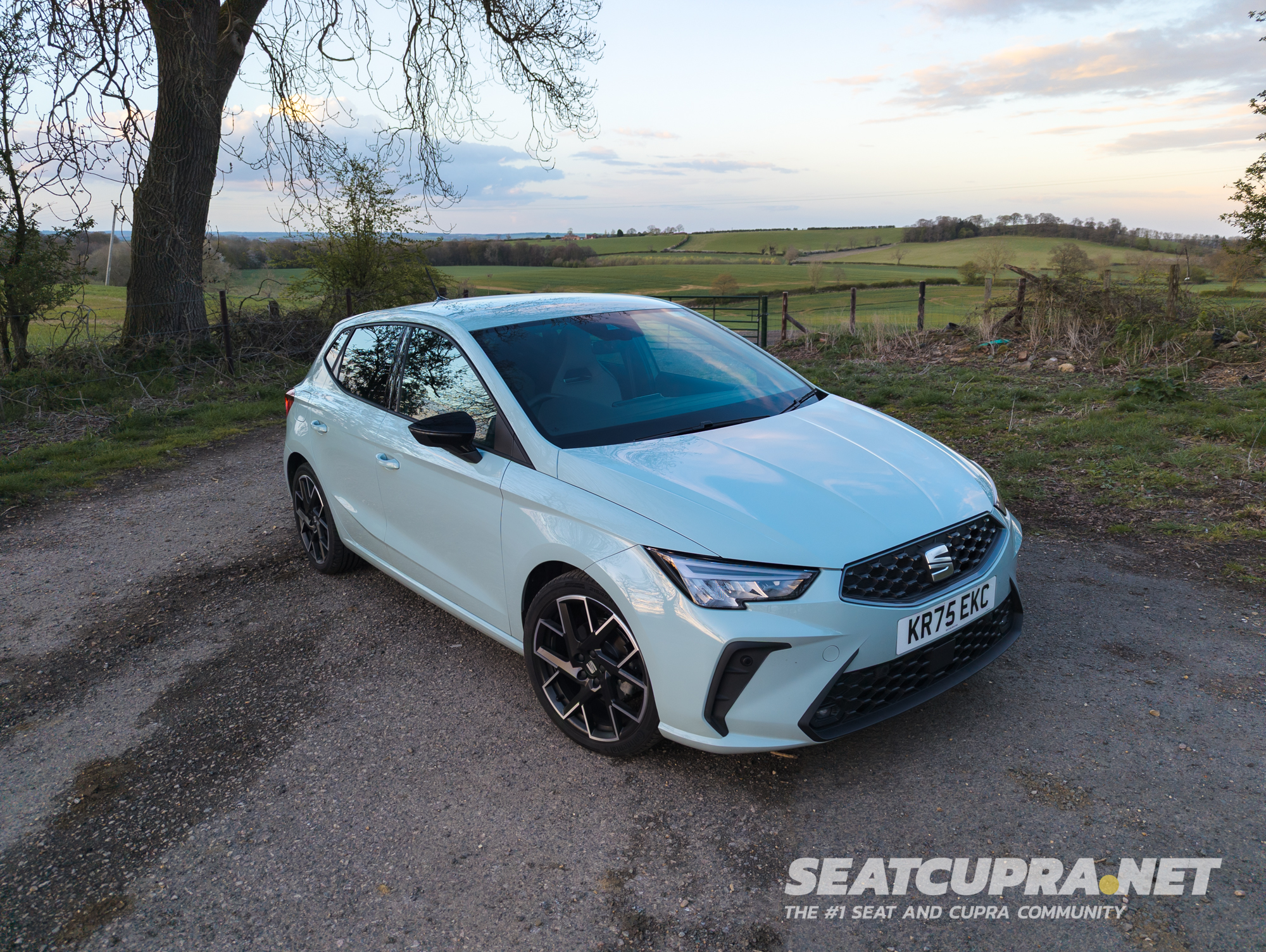
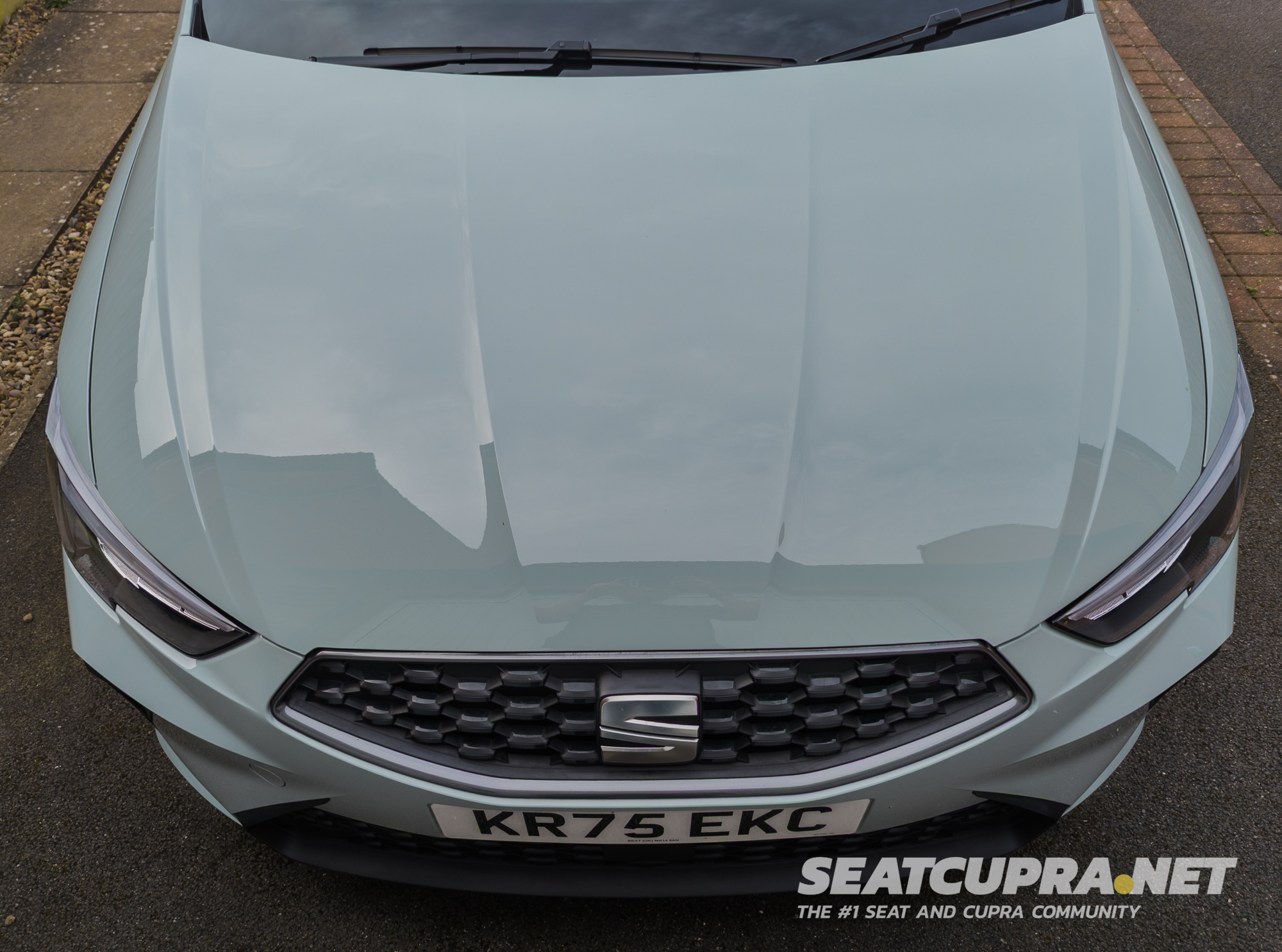
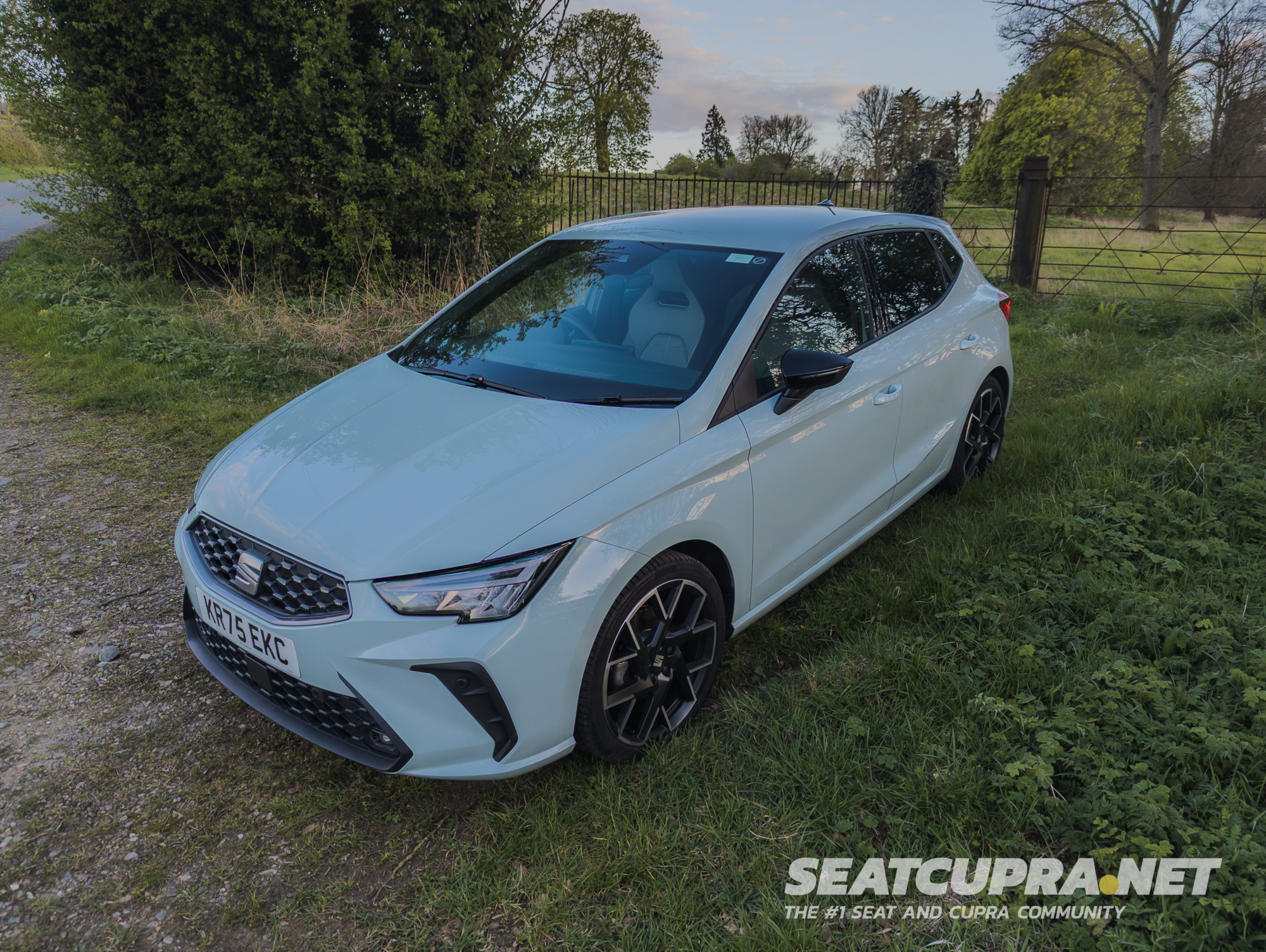
The first impression this car makes is a good one. When it arrived, the expectation was that it might feel like another modest update, but in the metal it looks far better than that. Several changes stand out straight away, particularly the front bumper, the alloy wheels and the new paint finish.
The colour on this car is Oniric Grey, and it is one of the best things about it. Depending on the light, it shifts subtly between a premium-looking grey and a softer blue-ish tone. It is not a dramatic colour-change paint by any means, but it gives the Ibiza a more interesting and more upmarket look than some of the flatter colours in the range.
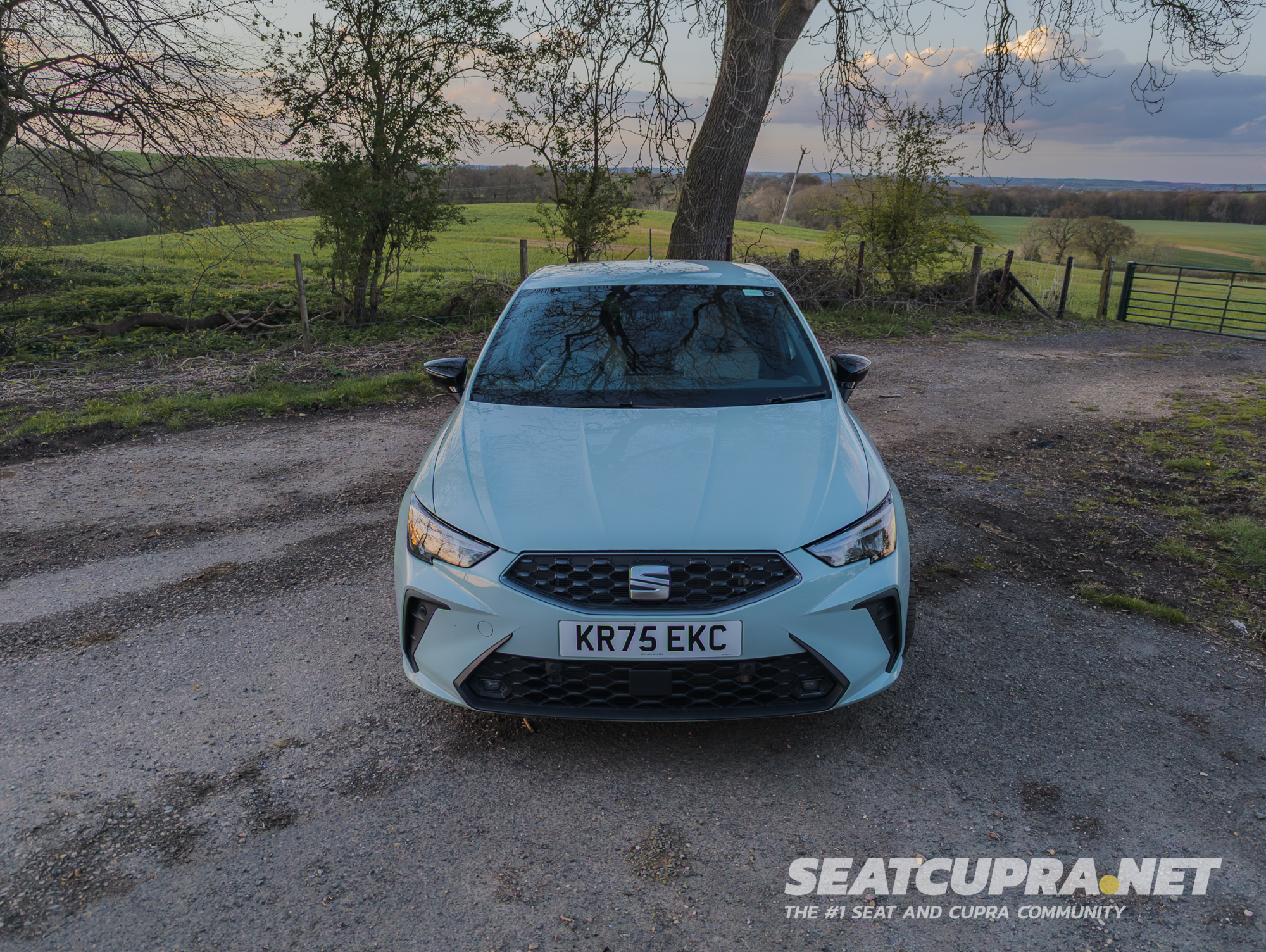
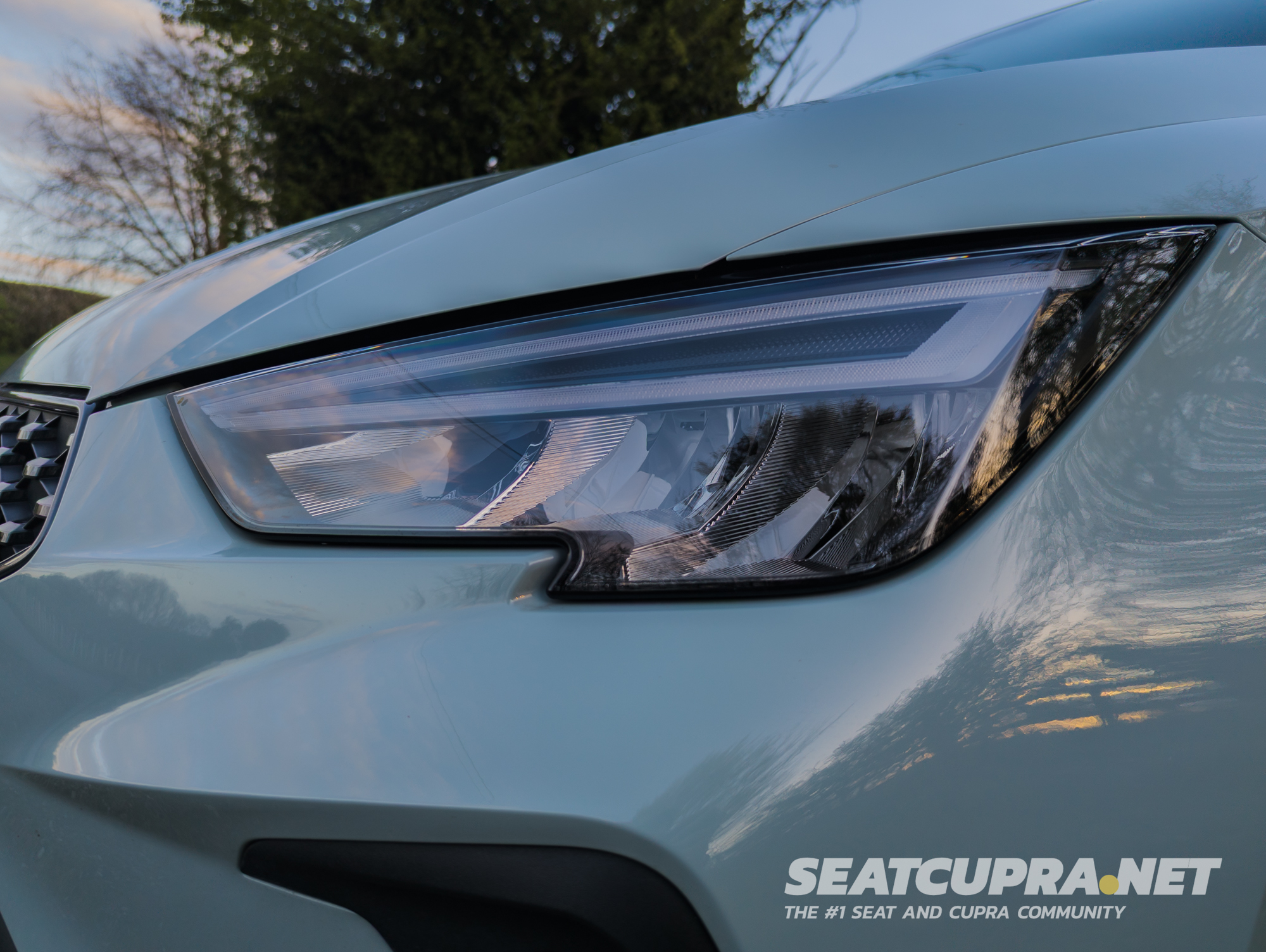
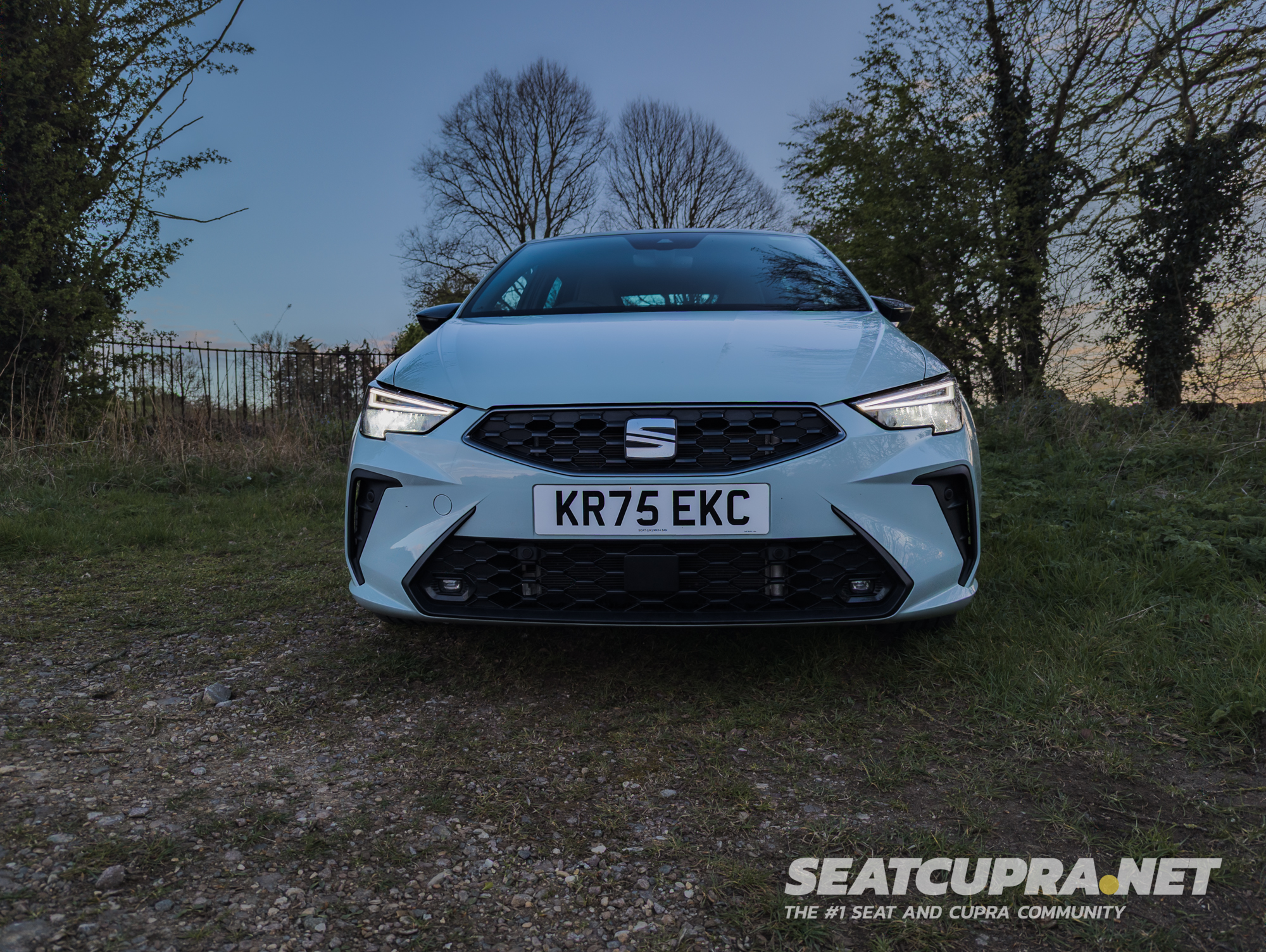
The styling updates work well too. The previous Ibiza already had a decent base, but this facelift gives it more edge. The new headlights are sharper, with a more jagged lower line, and they flow into a redesigned grille that feels far less plain than before. Even the smaller details in the front-end design help lift the look.
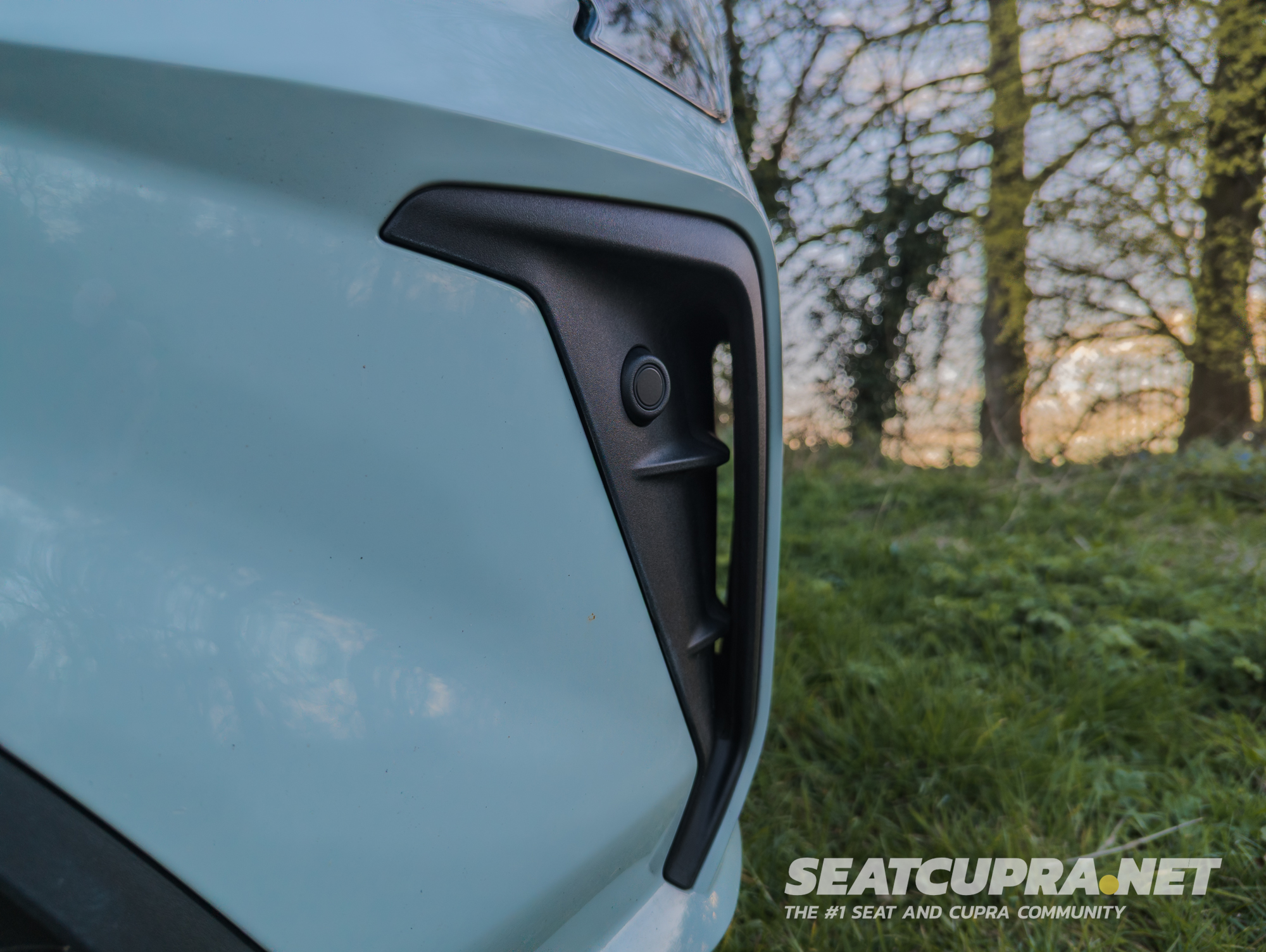
One particularly welcome change is the side vent treatment. Earlier versions used solid plastic inserts here, but this facelift now has a proper airflow path through the vents. It is a small detail, but it makes the front bumper feel more purposeful and avoids the look of cheap blanked-off styling pieces. The fog lights have moved lower down too, and the black trim around the lower grille adds to the more aggressive look.
The bonnet shape remains broadly familiar, but it still works well, with the raised lines giving the front end a bit more shape and character.
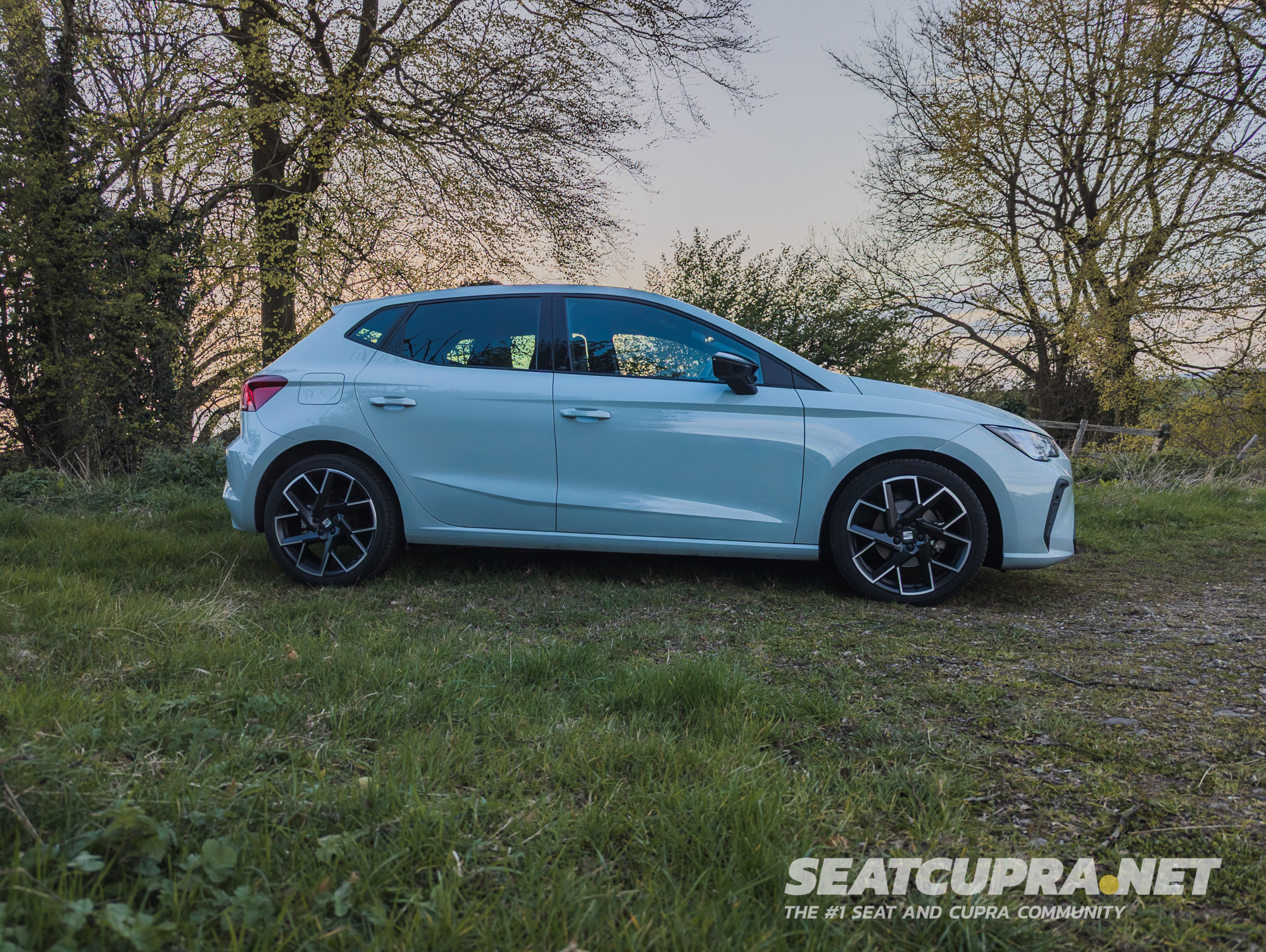
Moving round to the side, the 18-inch Performance machined alloy wheels in black are another highlight. They fill the arches really well and give the Ibiza a more planted stance. There is something slightly Skoda-like about the design, but that is no bad thing. More importantly, they suit the car and give it a more serious look than the previous versions managed.
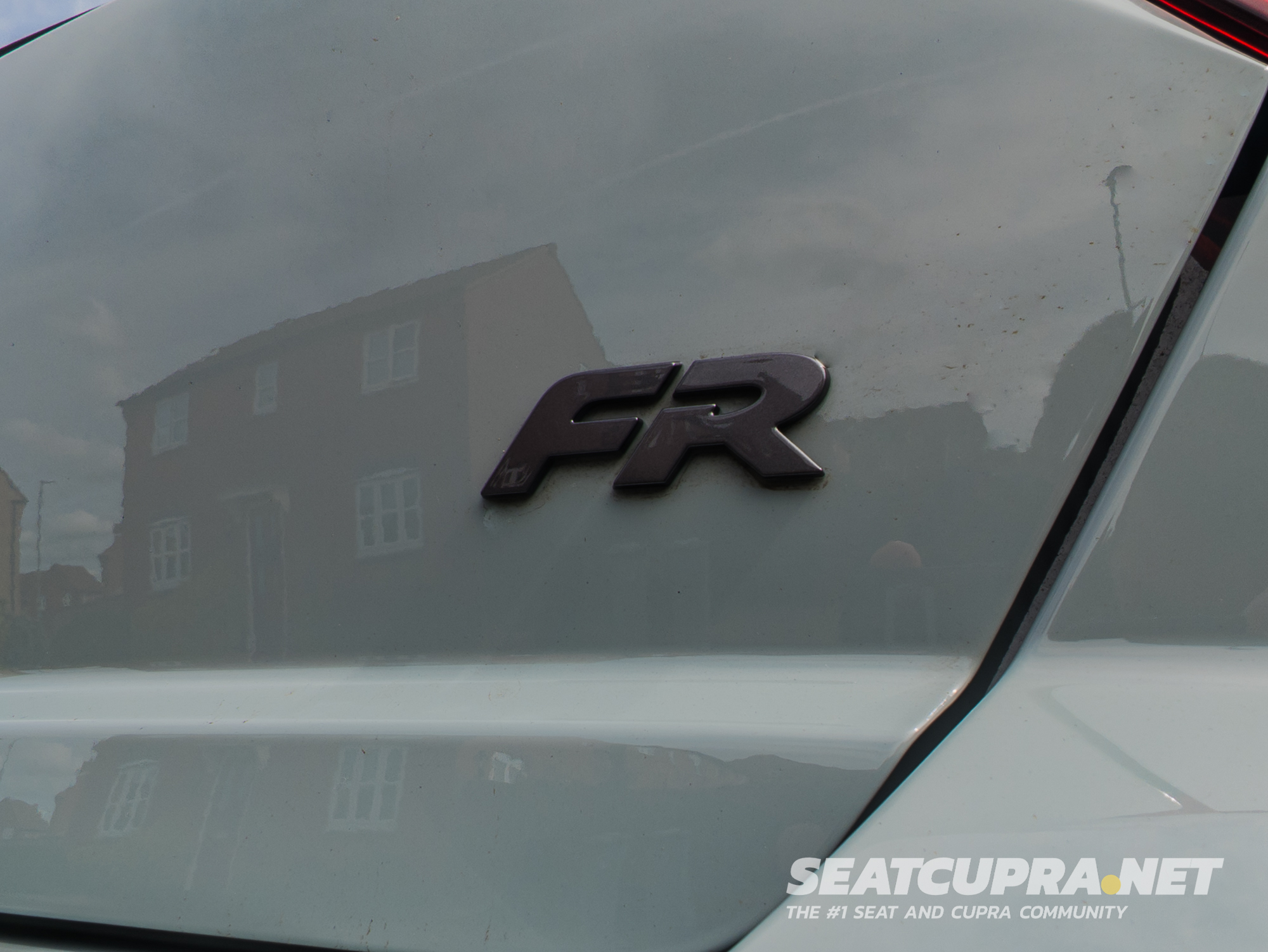
It is also good to see the tiny special-edition pillar graphic from the Anniversary model replaced by a proper FR badge. It is a small change, but it makes the trim identity much clearer.
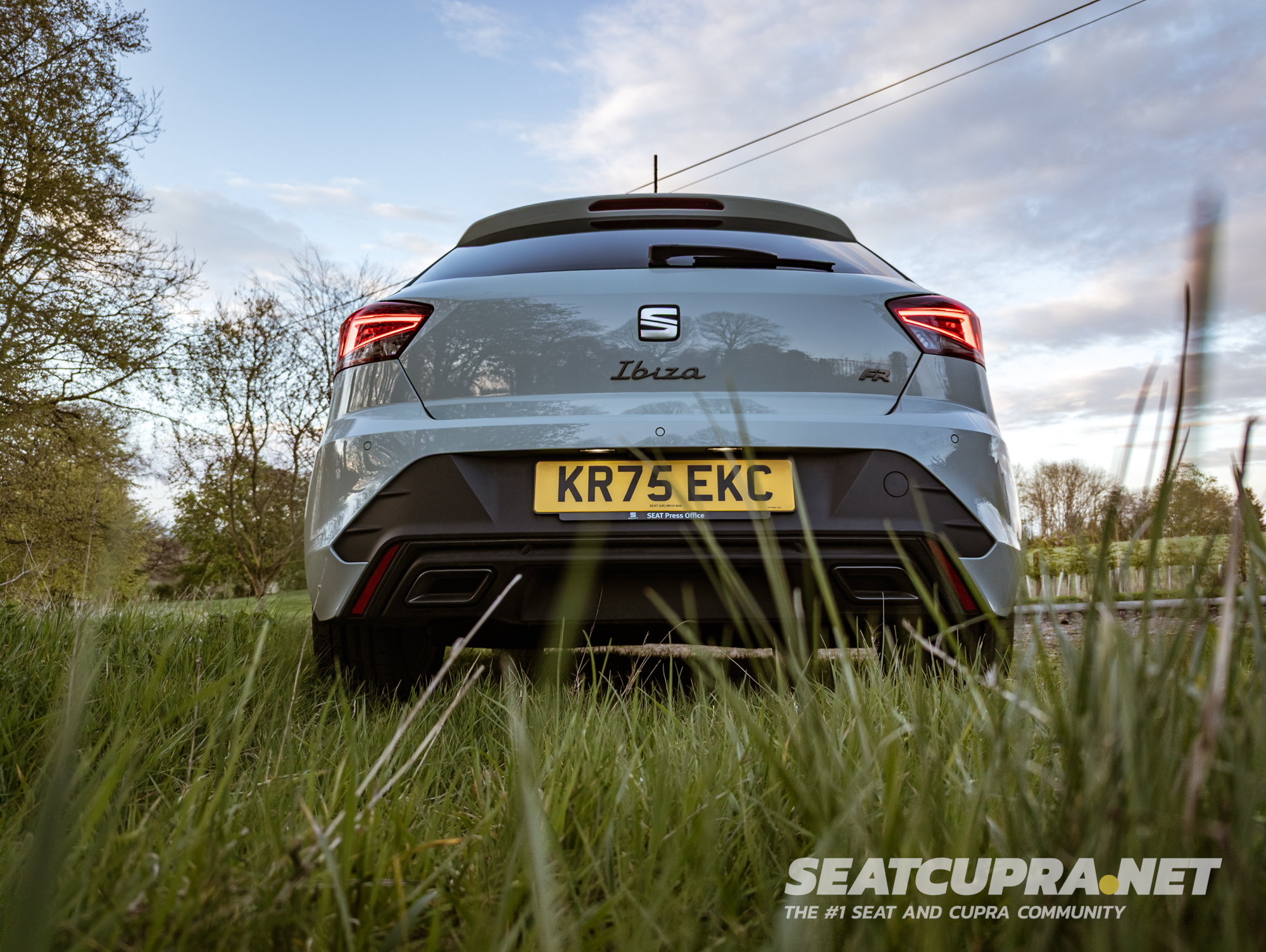
At the rear, the changes are more subtle, but still effective. The fake exhaust surrounds are now finished in a darker colour, replacing the brighter silver trim used before, and that helps the rear end look sportier and cleaner. The FR badge has also moved to a solid gunmetal finish, which suits the rest of the styling far better than the previous two-tone setup.
Even the handwritten-style SEAT rear badging, which took a bit of getting used to when it first appeared, feels more at home here now. It works better with the sharper, more confident look of the updated car.
Interior
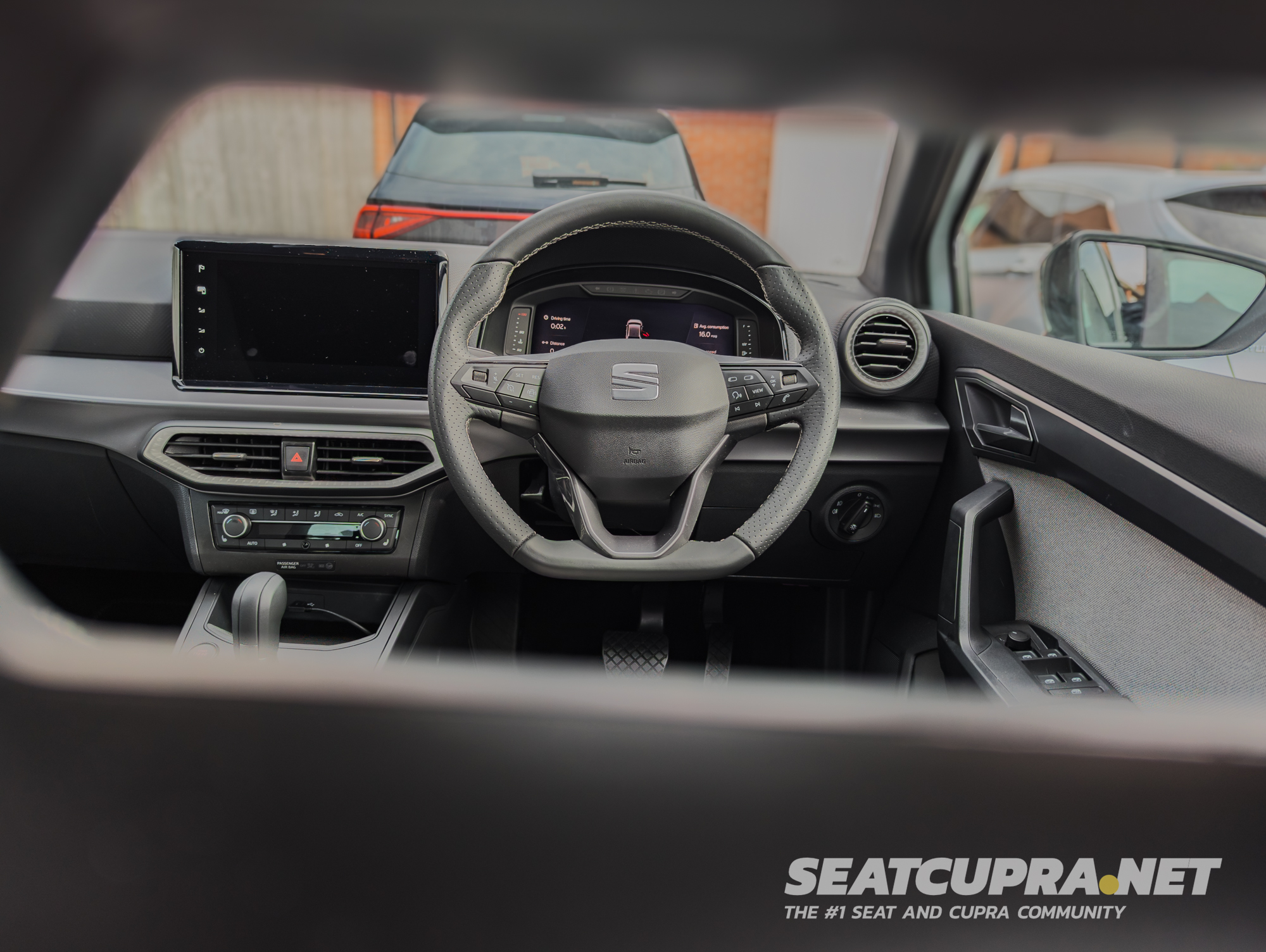
Inside, the Ibiza is a bit more mixed, but there is still plenty to like.
The seats are one of the biggest positives. This FR Sport gets sport bucket seats in black and grey embossed textile, and they look much more purposeful than the standard seats. Just as importantly, they are supportive and comfortable, giving the cabin a sportier feel straight away. They are easily one of the best parts of the interior.
The only slight concern is that the lighter grey inserts may prove harder to keep looking fresh over time, especially in a family car. Still, in terms of comfort and appearance, they are a clear step in the right direction.
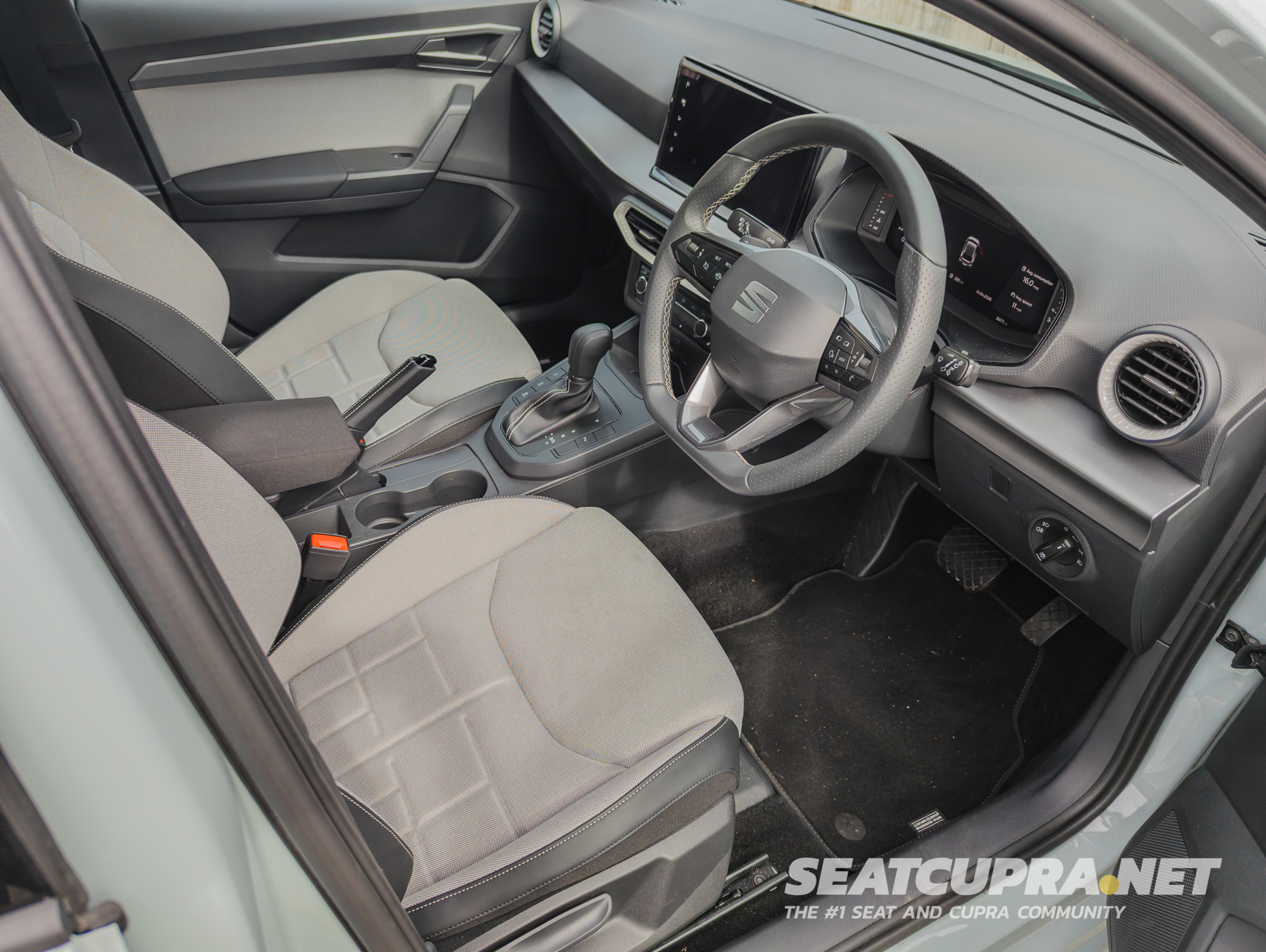
The low point, though, remains the illuminated red air vents. They still feel cheap and out of place in a cabin that otherwise does a decent job of feeling quite mature and well put together. At night especially, they look far more gimmicky than premium, and it is hard not to think SEAT could have done something more tasteful here.
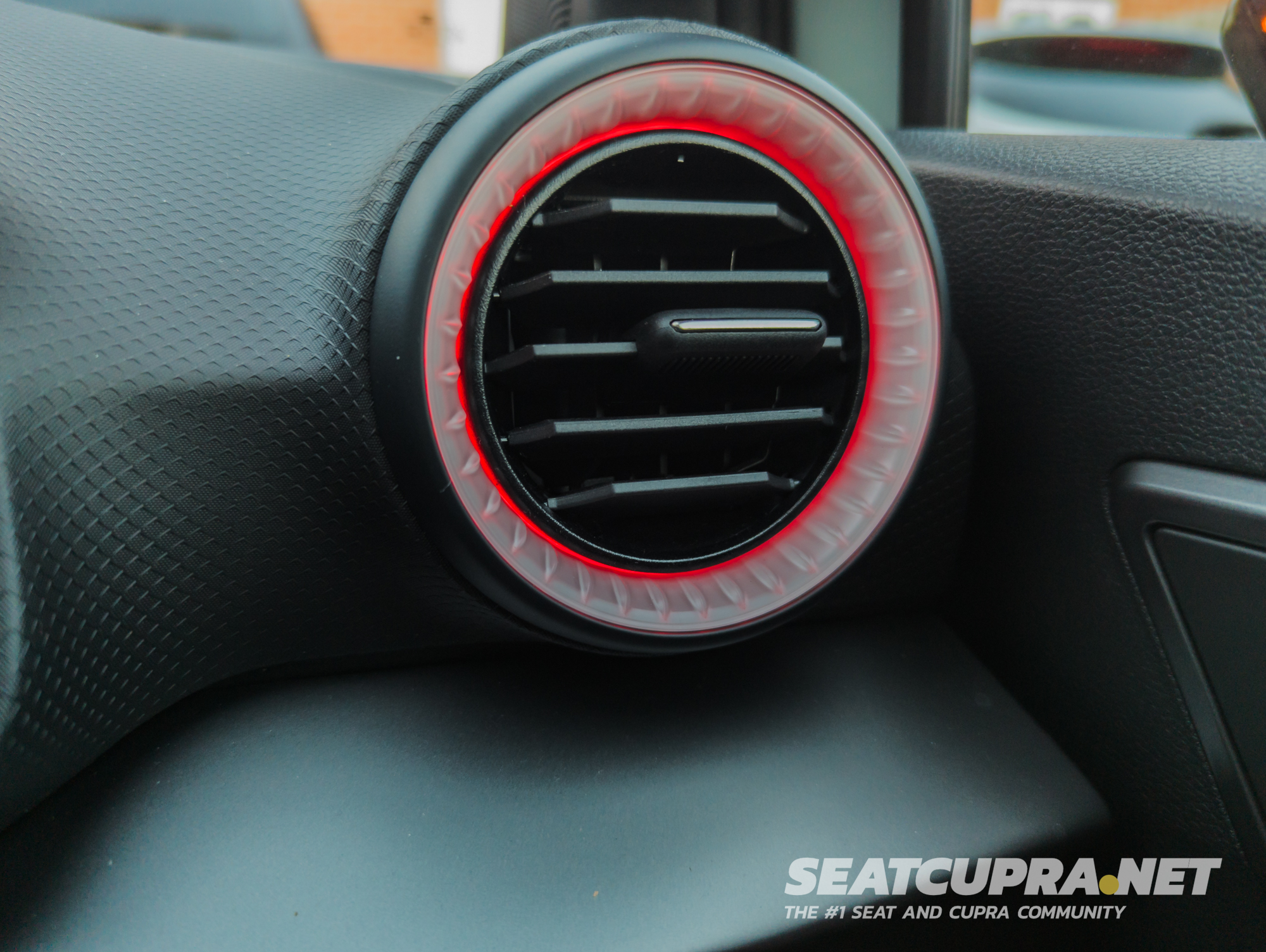
Thankfully, the centre armrest is back, and that is a much more welcome change. It was missing on the Anniversary model, and its return makes the cabin feel more complete and much more comfortable for everyday driving. Alongside that, the red ambient lighting on the front door cards works surprisingly well. It adds a bit of atmosphere at night without tipping into the same slightly tacky territory as the air vents.
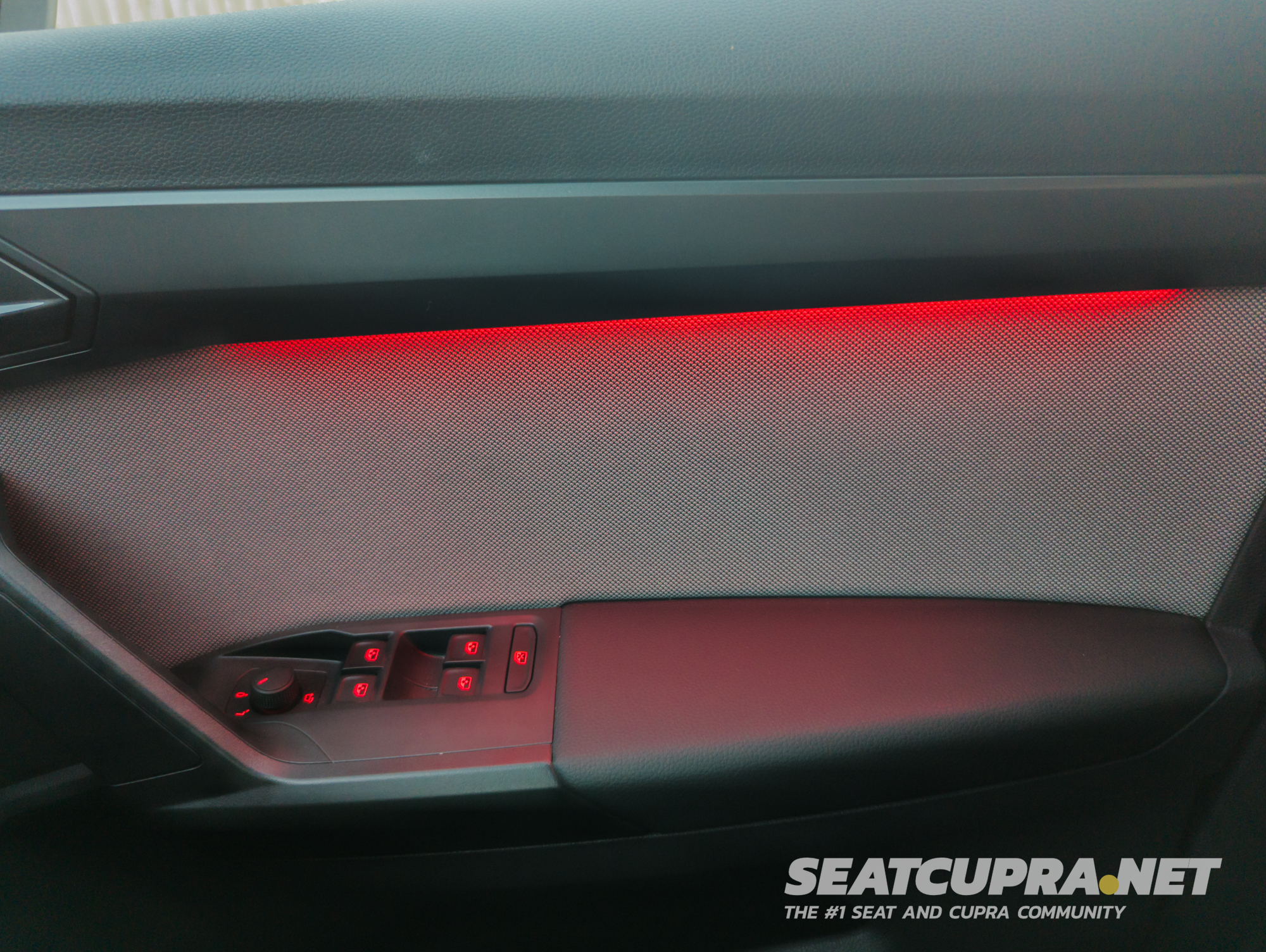
Another win is the fact that the climate controls are still handled by proper physical buttons and dials. No messing around with touchscreen menus just to change the temperature. It is simple, intuitive and much easier to live with than some of the more frustrating systems elsewhere in the wider VW Group line-up.
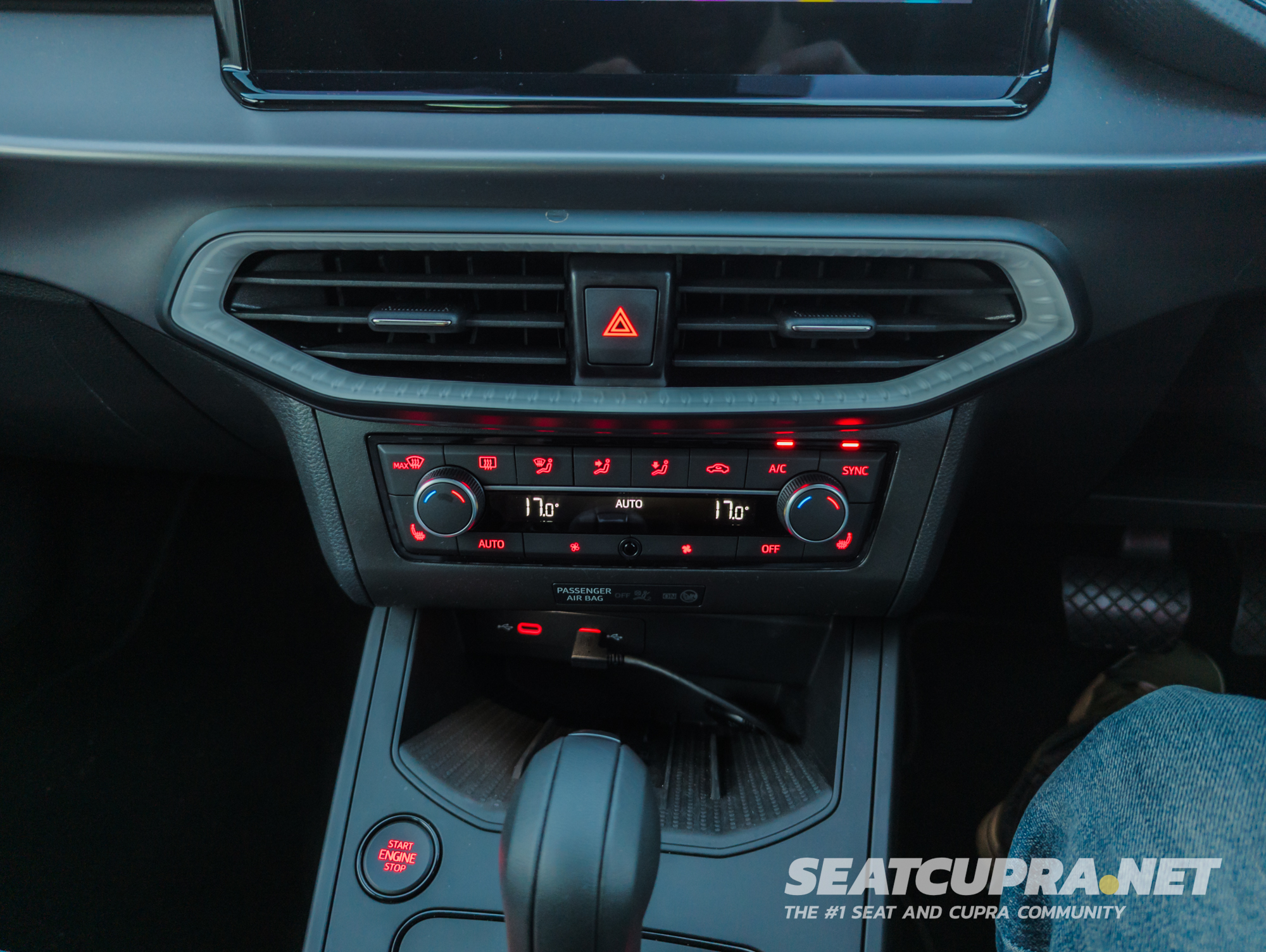
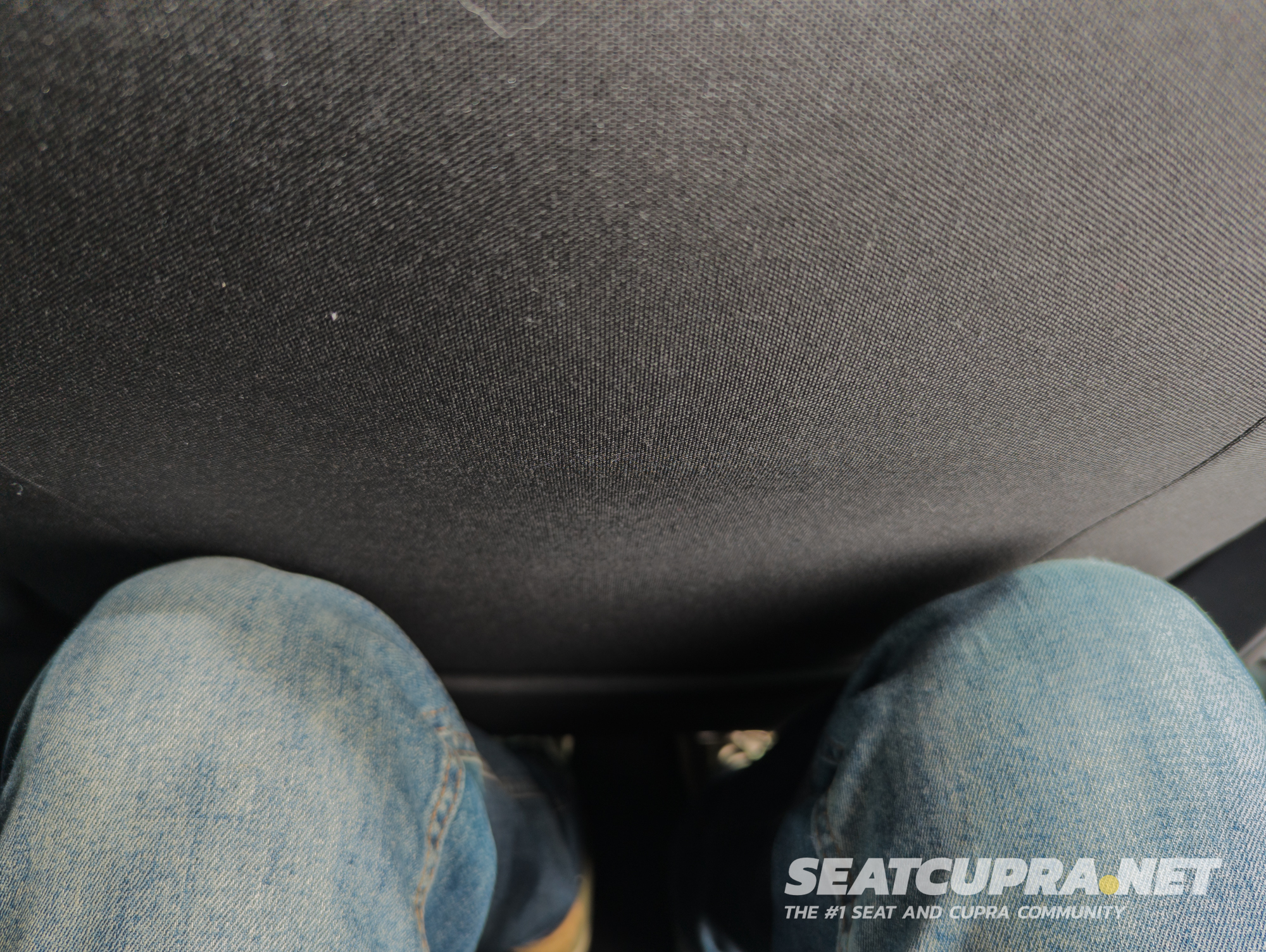
Rear space also seems a little improved. Whether that is a genuine packaging change or just a result of the revised seating position is hard to say for certain, but it did feel like there was a bit more legroom than expected in the back.
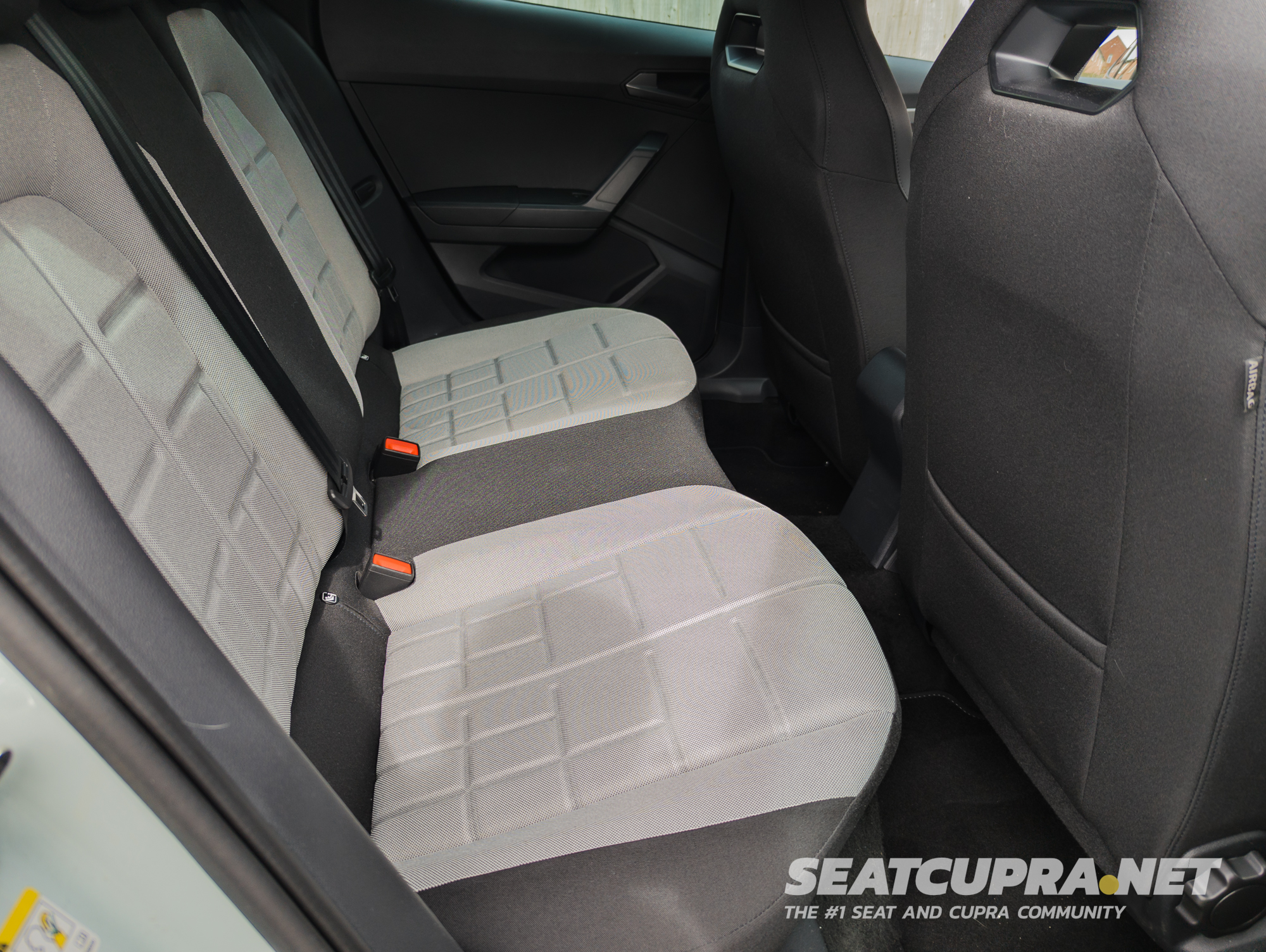
The rear seats themselves are fairly straightforward. There is not much to get excited about, but they are trimmed in nicer material than before and remain perfectly usable. The ISOFIX arrangement could be easier to use, especially if you are regularly swapping child seats, but that is hardly unique to the Ibiza.
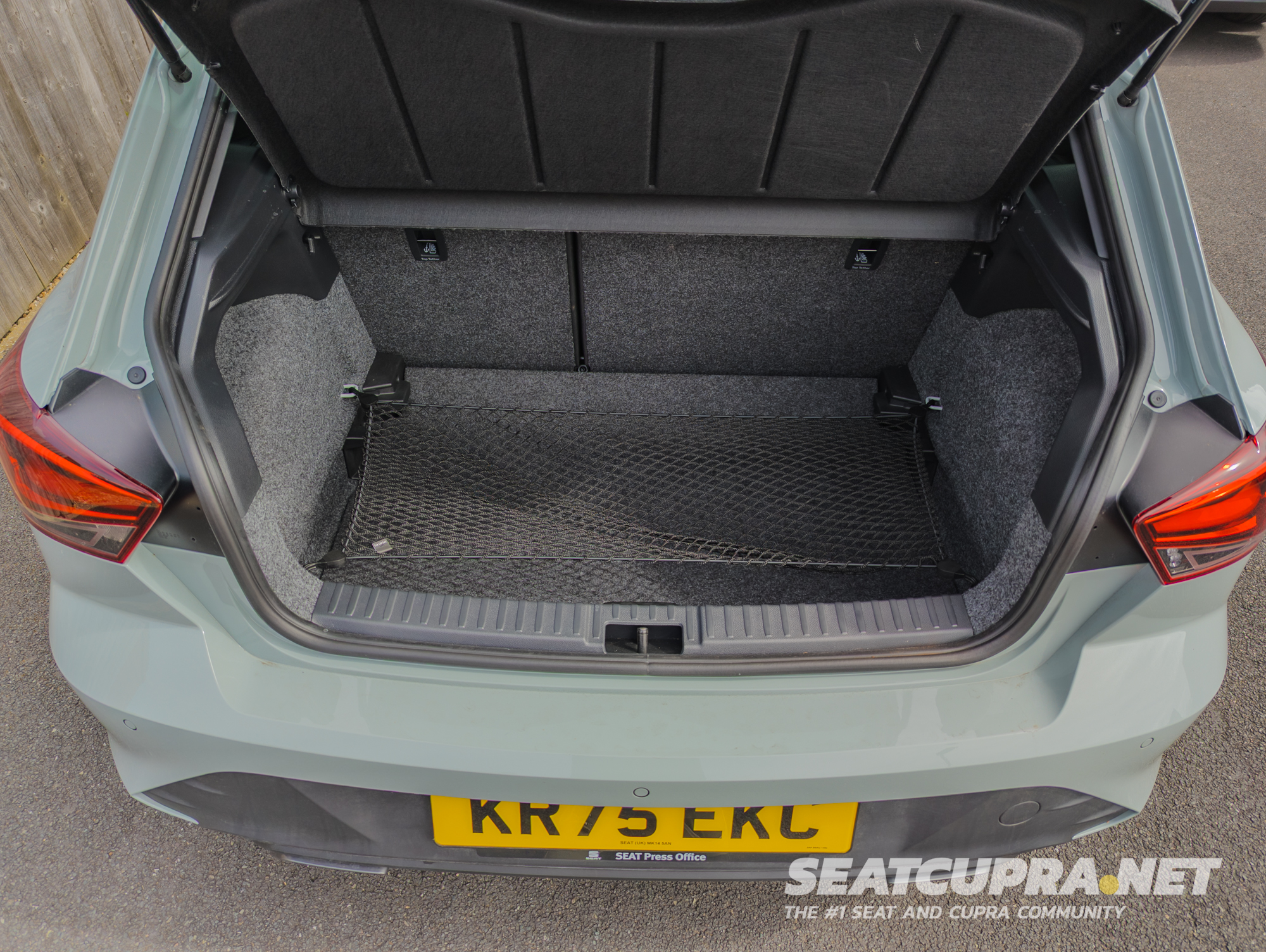
Boot space remains what you would expect from a car of this size. It is not huge, but it is enough for everyday use and should cope with a medium-sized shop without too much trouble. This car also came with a luggage net, which may be useful for stopping smaller items rolling around, even if it is not something everyone will use.
Engine
The 1.0 TSI remains one of the Ibiza’s biggest strengths. On paper, 115PS does not sound especially exciting, but this little three-cylinder engine has always had a lot more character than the numbers suggest.
For those who like the figures, here are the key stats:
- Engine: 1.0 TSI
- Transmission: 7-speed DSG
- Max power: 115PS at 5,500rpm
- Max torque: 200Nm between 2,000 and 3,500rpm
- 0-62mph: 9.9 seconds
- Top speed: 124mph
- Combined WLTP fuel economy: 48.7 to 50.4mpg
- WLTP emissions: 126g/km
The Ibiza weighs just 1,178kg, and that helps the engine feel punchier than you might expect. It is not a hot hatch, but it has enough low-end shove to make the car feel lively around town and on faster A-roads. It is only when you really stretch it that you notice the limits of the power.
What stands out more than anything is how enjoyable it is. This is one of those engines that makes the car feel eager and willing, even if it is not especially fast in outright terms. For day-to-day driving, it fits the Ibiza really well.
On the road
This facelifted Ibiza feels very good to drive. Even though it shares much of its hardware with the previous version, it somehow feels more polished and more satisfying on the move.
The DSG gearbox deserves some credit here. In earlier Ibiza models, it could hesitate slightly at low speeds, particularly when pulling out at junctions. In this car, it felt much sharper and more decisive, shifting cleanly and responding more eagerly when needed. In fact, it is good enough here that it would be easy to choose it over the manual.
The steering is light around town, as you would want, but adds a bit more weight when you push on. The suspension is on the firmer side, especially on these 18-inch wheels, so you will notice the rougher surfaces, but it strikes a very good balance overall. It still feels composed and enjoyable without becoming uncomfortable.
On single carriageways and everyday roads, the 1.0 TSI is in its sweet spot. Motorway overtakes do ask a bit more of it, and you will notice the DSG dropping a couple of gears to find the performance, but once up to speed it settles down into a fairly relaxed cruise.
Technology
The technology package is generally strong.
The infotainment system was responsive throughout the test and connected wirelessly to Android Auto without any issues. It did exactly what you would want it to do, which is perhaps not always something that could be said of all systems from this part of the market.
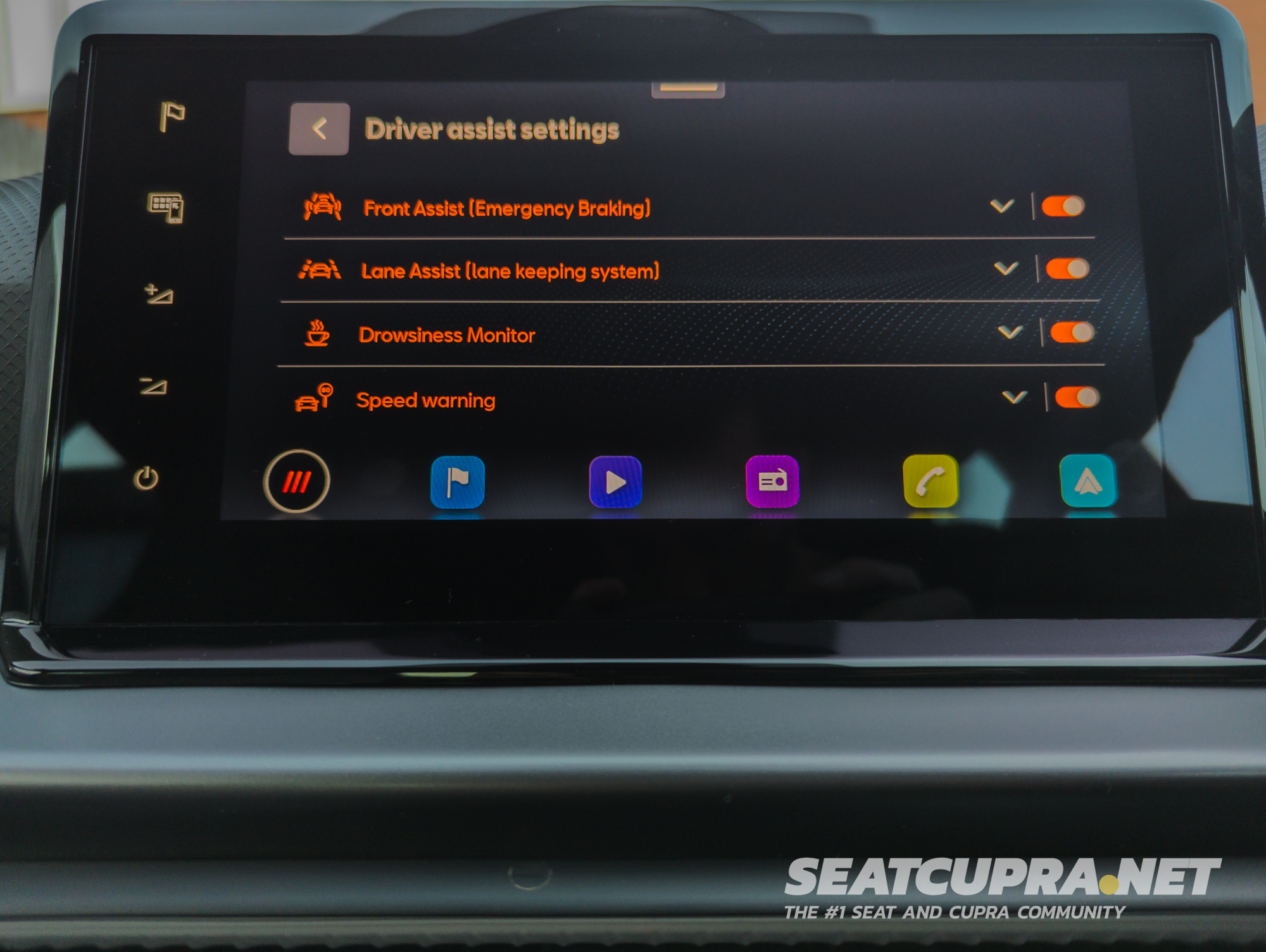
A real highlight on this particular car, though, was the optional SEAT Sound system. At £550, it feels like money well spent. It delivers a noticeably better sound than the standard setup and coped well with a wide range of music, giving the cabin a much more premium feel on the move.
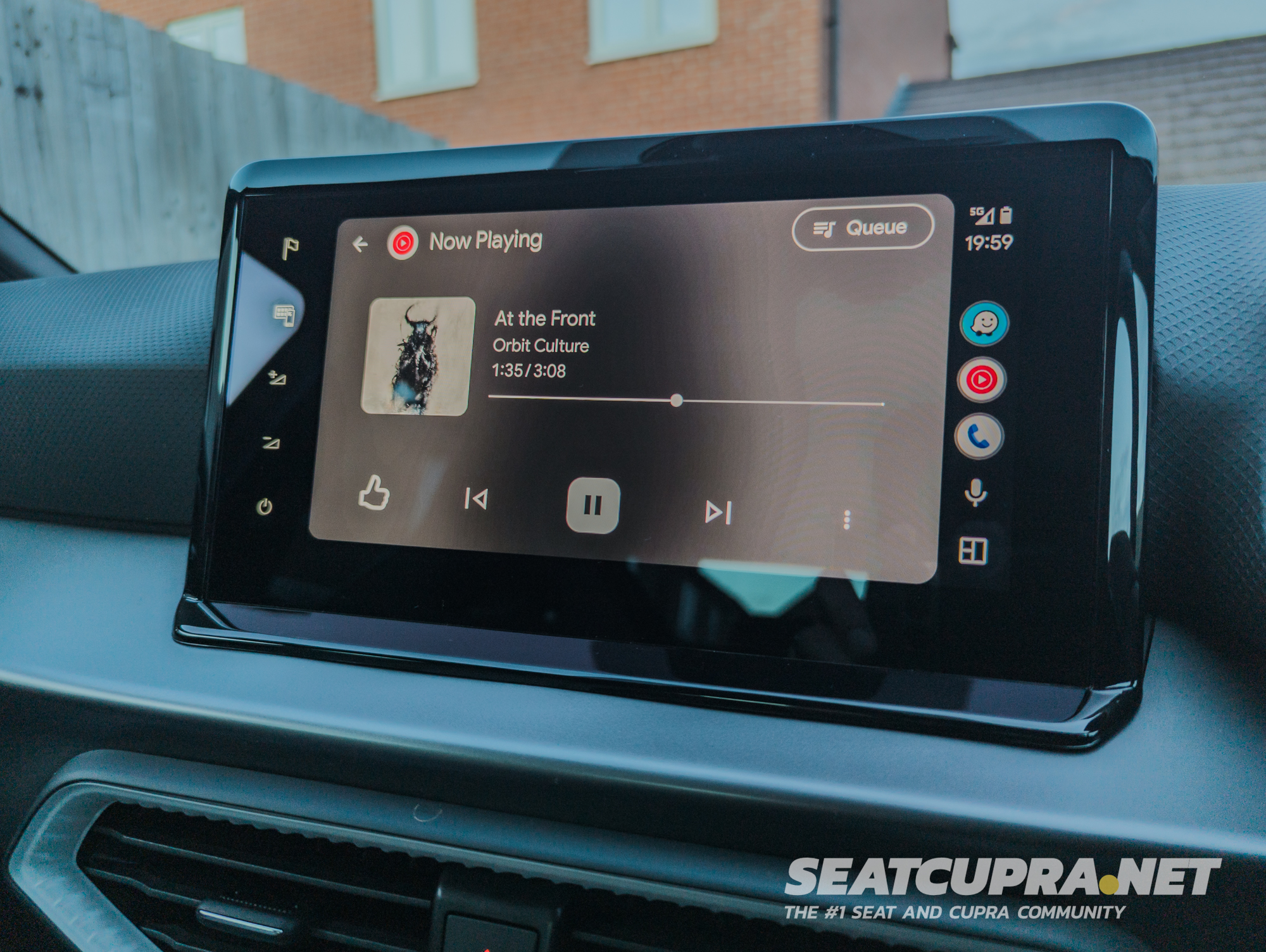
The usual driver assistance systems are all here too. Lane Assist behaved itself throughout the test, and the speed warning system was present but easy enough to live with. The full LED lighting setup also works well, and with the fog lights now lower down in the bumper, the front-end design looks cleaner too.
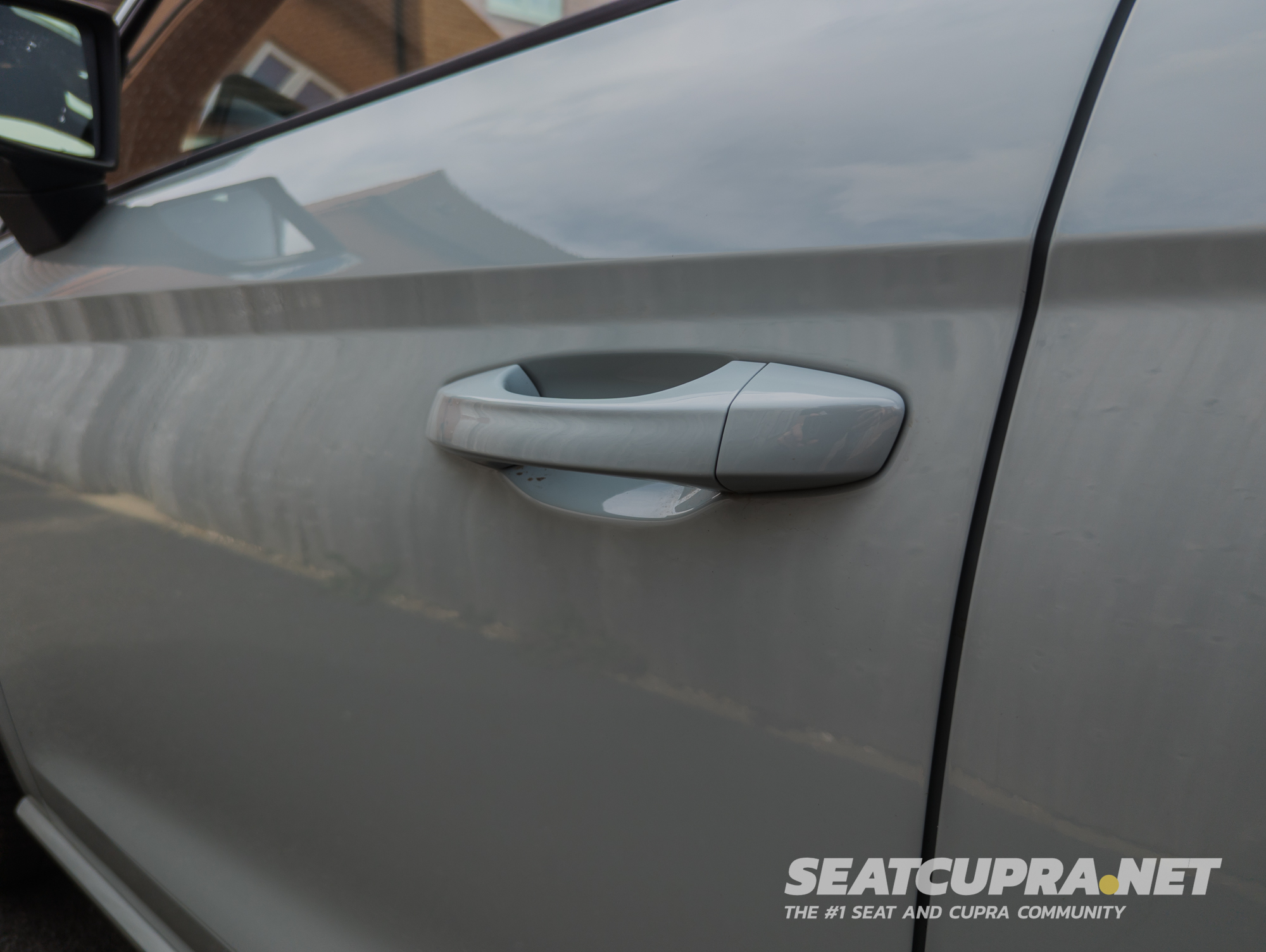
One annoyance, though, is the keyless entry setup. On this car, it only seemed to work from the driver’s door or the boot, with no unlock function from the passenger side. That may not bother everyone, but it feels like an odd limitation on a modern car at this price point and is the sort of detail that becomes irritating surprisingly quickly.
What’s it like to live with? & running costs
Day to day, the Ibiza FR Sport makes a lot of sense. It is a very manageable size, easy to park, and the DSG gearbox makes it a much easier car to deal with in traffic than a manual would be. For commuting, small-family duties or simply as an everyday runabout with a bit of style, it feels like a very easy car to live with.
Running costs are respectable too. The fuel tank holds 40 litres, and over roughly 120 miles and around five hours of mixed driving, the car averaged exactly 43mpg with an average speed of 26mph. For real-world use that included town driving, back roads and a bit of dual carriageway, that is a solid result. On a steadier motorway run, it should get much closer to the official figures.
Final ratings and breakdown
Comfort: 9/10
The ride is well judged for a sporty trim level, and the new bucket seats are genuinely excellent. The return of the centre armrest also makes more difference than you might expect.
Power: 7/10
It is not fast, but the 115PS engine and improved DSG combination feel more eager and usable than before. Perfectly suited to town and everyday driving, if less convincing as a motorway overtaking machine.
Cost: 7/10
At £27,085 before options and £28,830 as tested, the Ibiza is not cheap for a supermini. Even so, the styling, equipment and overall polish help justify it, especially when some rivals now push even further beyond the £30,000 mark.
Styling: 9/10
The Oniric Grey paint, sharper front end, black alloy wheels and darker rear detailing make this the best-looking Ibiza on the road right now. It feels much more resolved than the previous version.
Tech: 8/10
Responsive infotainment, flawless wireless Android Auto, physical climate controls and an excellent optional sound system all help here. Only the odd keyless-entry limitation and those air vents take the shine off slightly.
Would I buy one?
Yes, if a small car was what I needed.
This facelifted Ibiza FR Sport is a much stronger proposition than the 40th Edition and feels like a genuinely good all-rounder. It looks smart, drives well, and has just enough character to stand out from the crowd. It is also, in my view, a much more appealing thing than the equivalent Polo.
Stats from the review (as tested)
- Colour: Oniric Grey (special metallic paint – £0)
- Upholstery: Black bucket seats
- Engine: 1.0 TSI
- Transmission: 7-speed DSG
- Max power: 115PS @ 5,500rpm
- Max torque: 200Nm @ 2,000-3,500rpm
- Euro standard: RDE 2
- Fuel economy (WLTP): 48.7-50.4mpg
- CO2 (WLTP): 126g/km
- 0-62mph: 9.9 seconds
- Top speed: 124mph
- Length: 4,070mm
- Width (inc. mirrors): 1,780mm
- Height: 1,447mm
- Wheelbase: 2,564mm
- Boot space: 355 litres
- Fuel tank: 40 litres
- Kerb weight: 1,178kg
- Towing capacity (braked 12%): 1,100kg
- Recommended retail price: £27,085
- Options total: £1,745 (space saver spare wheel £200, SEAT Sound system £550, panoramic sunroof £995)
- As-tested price: £28,830
- Benefit-in-kind rate: 31%
- Insurance group: 16E


