I've tried finding some tests - apparently it's not a myth. If the car is designed for it, higher octane fuel will improve performance. Not by a lot but it was measurable.
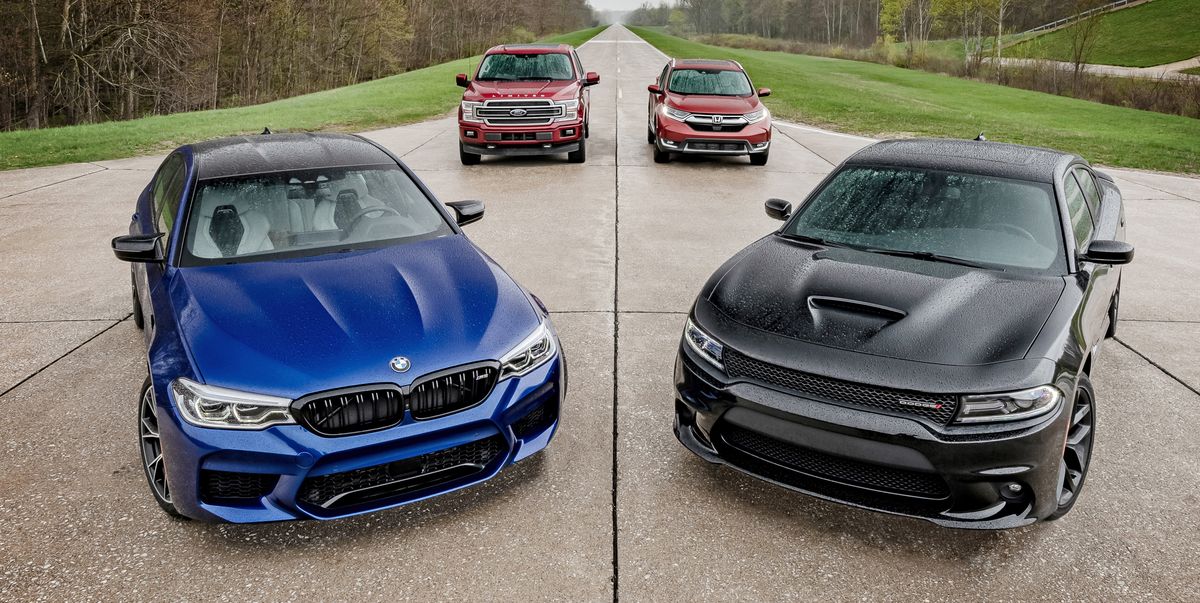
We tested higher octane fuel than manufacturers require on the Honda CR-V, BMW M5, Ford F-150, and Dodge Charger to see if it impacted acceleration or MPG.
Just tried another launch but aborted early on as it felt like something was biting my tires, almost as if the handbrake was trying to come on.. don't know if it was something to do with the surface. Has anyone else experienced anything like this? All other launches have been flawless but this attempt didn't feel right at all.
It's interesting, a quick browse of the specs suggests the hybrid 1.4 TSI has a higher compression ratio than the 2.0 310 TSI, suggesting that would benefit more from the anti-knock effects of 98 RON over 95 RON more than the 310hp TSI. Not sure you get more joule energy value from the same millilitre of fuel if the RON is higher though, nor that the engine can eek more joules out of it? I dropped chemistry after A level so happy to be corrected!
This site uses cookies to help personalise content, tailor your experience and to keep you logged in if you register.
By continuing to use this site, you are consenting to our use of cookies.